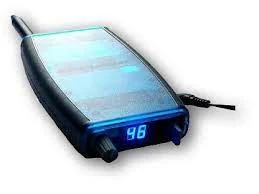

Radar jamming is a fascinating realm where technology meets the art of evasion. In this article, we'll delve into the intricate science behind radar jamming, unraveling the different technologies employed to outsmart radar systems. So buckle up, and let's embark on a journey through the intricate world of radar jamming.
Understanding the Basics: How Radar Works
Before we dive into radar jamming, let's grasp the fundamentals of how radar operates. Radar, short for Radio Detection and Ranging, uses radio waves to detect and locate objects. It sends out radio signals, and when these signals encounter an object, they bounce back, providing information about the object's distance and speed.
1. Radar Jammers 101: A Brief Overview
Radar jammers are devices designed to interfere with the signals sent and received by radar systems. Their primary goal is to create confusion and render the radar system ineffective. But how do they achieve this?
2. Electronic Countermeasures (ECM): A Tactical Approach
Electronic Countermeasures (ECM) form the backbone of radar jamming technology. Jammers equipped with ECM capabilities emit signals that mimic the radar's frequency, disrupting its ability to distinguish between the original signals and the jamming signals. It's like throwing a handful of pebbles into a pond and watching the ripples collide – chaos ensues.
3. Frequency Modulation: Riding the Wave
One popular technique in radar jamming is frequency modulation. Imagine radar signals as a symphony of frequencies. Radar jammers employing frequency modulation create a dissonant tune, making it challenging for the radar system to interpret the echoes accurately.
4. Digital Radio Frequency Memory (DRFM): Mimicking and Confusing
Enter Digital Radio Frequency Memory (DRFM), a sophisticated player in the radar jamming arena. DRFM-based jammers memorize incoming radar signals, modify them, and then transmit the altered signals back to the radar. It's akin to intercepting a letter, rewriting its content, and sending it back without the recipient noticing.
5. Noise Jammers: Drowning in Static
Picture a conversation in a crowded room – it's challenging to focus on a single voice amidst the chatter. Noise jammers operate similarly, flooding the radar signals with random noise. The radar, like a listener in the crowded room, struggles to distinguish the relevant signals from the cacophony of interference.
6. Deceptive Jamming: Mirage in the Radar Desert
Deceptive jamming adds an element of illusion to the radar game. These jammers create false targets or modify existing ones, leading the radar system astray. It's like navigating through a hall of mirrors – which reflection is real?
7. Cross-Polarization Jamming: Changing the Orientation
Cross-polarization jamming involves altering the orientation of the radar signals. Think of it as holding a flashlight at an angle – the shadows cast change. In this case, the radar system faces challenges in deciphering the altered signal polarization.
8. Low Probability of Intercept (LPI) Techniques
Low Probability of Intercept (LPI) techniques focus on minimizing the chances of the radar detecting the jamming signals. These techniques involve clever modulation and coding, making the jamming signals elusive amidst the vast radio frequency spectrum.
Navigating the Ethical Waters: Legal Aspects of Radar Jamming
While the science behind radar jamming is intriguing, it's crucial to address the ethical and legal considerations surrounding its use. In many jurisdictions, the use of radar jammers is illegal due to their potential to disrupt essential communication and safety systems.
9. Legal Ramifications: Navigating the Regulatory Landscape
Understanding the legal ramifications of radar jamming is essential. In several countries, the use of radar jammers is prohibited, and offenders may face severe penalties. It's essential to tread carefully in this murky legal terrain.
Conclusion
In the ever-evolving dance between radar technology and jamming countermeasures, the science behind radar jamming continues to push boundaries. From ECM tactics to DRFM wizardry, each technology plays a unique role in the cat-and-mouse game of detection and evasion. As we explore these technological intricacies, let's not forget the ethical responsibility that comes with such knowledge.
FAQs:
Q1: Are radar jammers legal to use?
A1: In many countries, the use of radar jammers is illegal due to the potential to disrupt communication and safety systems. Check your local regulations before considering the use of radar jammers.
Q2: Can radar jammers completely render a radar system ineffective?
A2: While radar jammers can create interference and confusion, modern radar systems are designed to adapt and overcome jamming attempts. It's a constant technological arms race.
Q3: How do radar jammers affect other electronic devices in the vicinity?
A3: Radar jammers may cause interference with other electronic devices operating on similar frequencies. This interference can disrupt communication and compromise the functionality of these devices.
Q4: Are there any legal alternatives to radar jammers for avoiding speed detection?
A4: Instead of resorting to radar jammers, consider legal alternatives such as radar detectors that can alert you to the presence of radar signals without interfering with them.
Q5: Can radar jamming be used for malicious purposes?
A5: Yes, radar jamming has the potential for misuse, leading to disruptions in communication and safety systems. It's crucial to approach the technology with ethical considerations in mind.










Sign in to leave a comment.