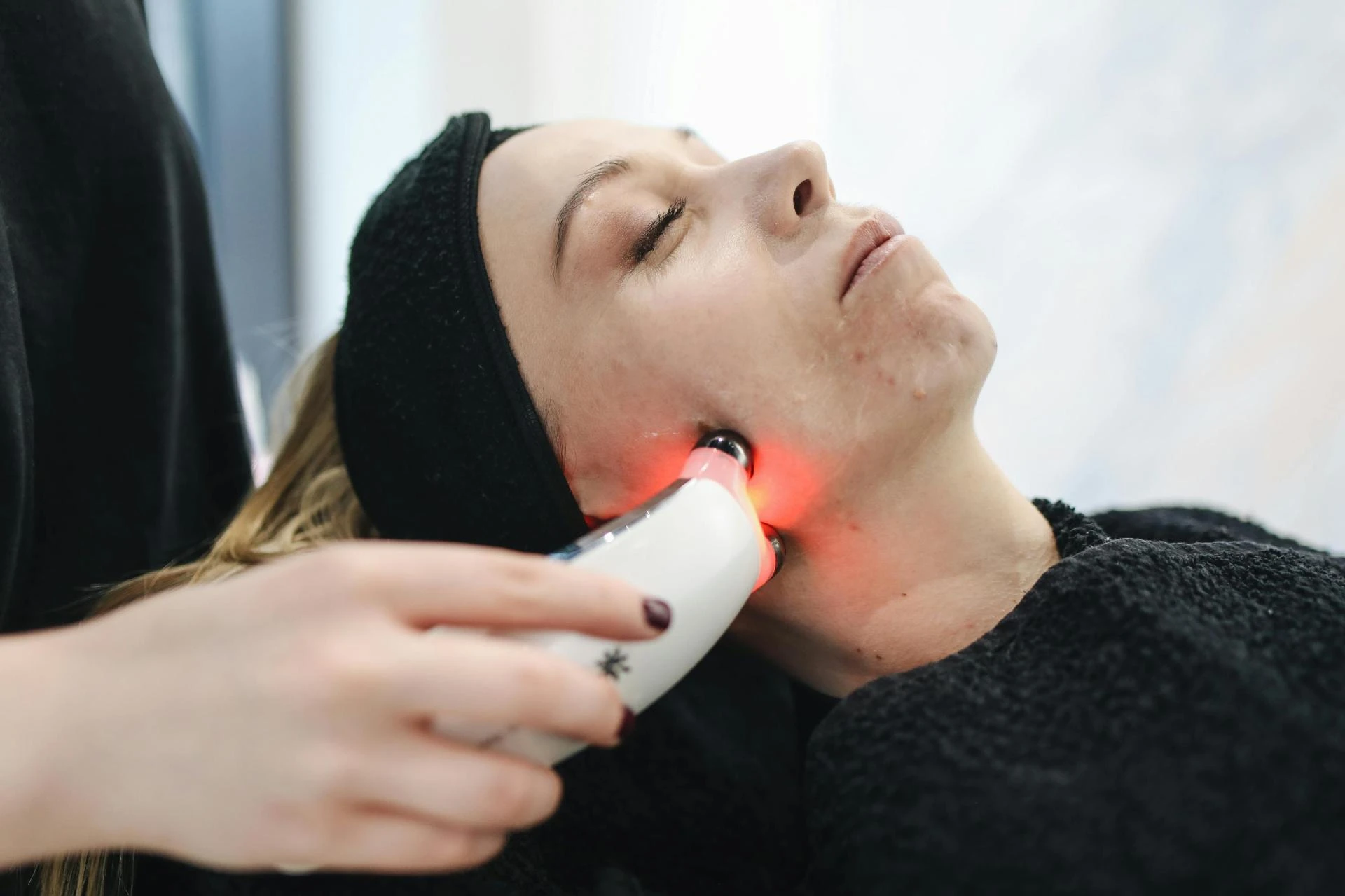

Your skin is your body's largest organ, acting as a protective barrier against the environment, toxins, and harmful microorganisms. It's also the first thing people see when they meet you. Yet, despite its importance, many of us neglect our skin until something goes wrong. One way to ensure your skin stays healthy and vibrant is by visiting a dermatologist in London. But what exactly does a dermatologist do, and why is it so important to see one regularly? Let's dive into the world of dermatology and explore why a trip to the dermatologist could be a game-changer for your skin health.
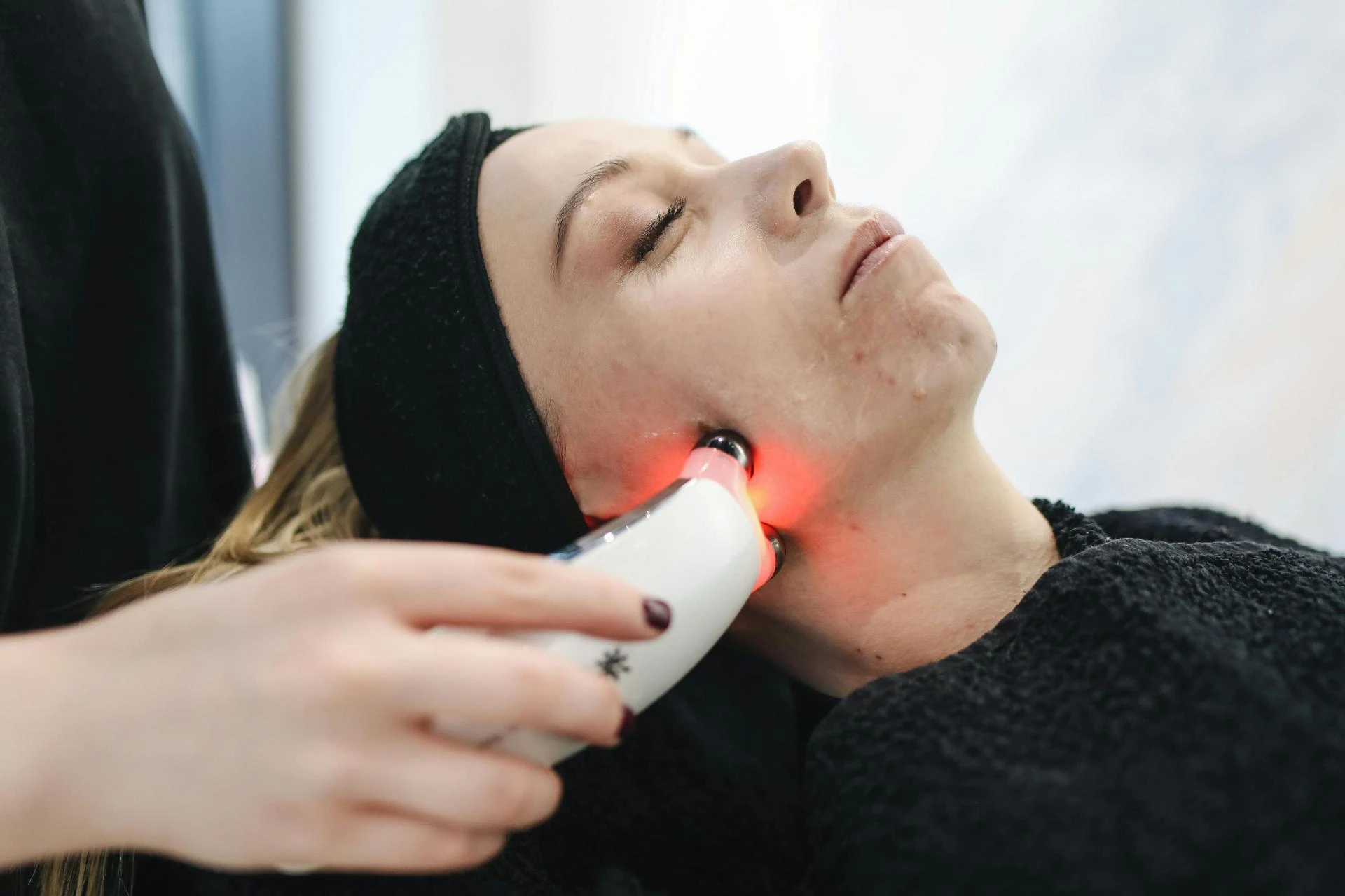
What Is a Dermatologist?
A dermatologist is a medical professional who specializes in diagnosing and treating skin, hair, and nail conditions. They are experts in both cosmetic and medical aspects of skin health, which means they not only help with common skin problems like acne or eczema but also address serious conditions like skin cancer.
Dermatologists undergo extensive training and education. In fact, they must complete four years of medical school followed by a residency program lasting about four years. Some dermatologists even go further, completing fellowship programs in specific subspecialties, like pediatric dermatology or dermatopathology.
Understanding the Skin: More Than Just a Barrier
The Layers of the Skin
The skin is composed of three primary layers, each with a unique function that contributes to overall skin health:
- Epidermis: This outer layer is responsible for providing a protective barrier against environmental stressors like UV radiation, pollutants, and pathogens. The epidermis is constantly renewing itself through the shedding of dead skin cells and the production of new ones.
- Dermis: The middle layer is where things get a bit more interesting. It contains important structures like hair follicles, sebaceous glands (which produce oil), and sweat glands. This layer also houses collagen and elastin—proteins that give skin its firmness and elasticity.
- Hypodermis: The deepest layer of the skin is primarily made up of fat and connective tissue. This layer helps cushion and insulate the body, acting as a shock absorber and energy reservoir.
Each of these layers works together to maintain skin health and function. If one layer is compromised, it can lead to various skin issues.
A Medical Specialization for Skin Health
Dermatology is the branch of medicine that focuses on the diagnosis, treatment, and prevention of skin, hair, and nail conditions. While many people associate dermatology with cosmetic procedures, dermatologists treat a wide variety of skin conditions—from acne and eczema to skin cancer and autoimmune diseases like psoriasis.
In dermatology, treatment methods range from topical ointments and oral medications to more advanced procedures like laser treatments, chemical peels, and even genetic testing for certain skin conditions. In recent years, the field has also embraced cutting-edge technologies such as telemedicine, AI-powered diagnostics, and the study of the skin microbiome.
Common Skin Concerns and Their Causes
Conditions That Affect Our Skin
Various skin concerns are common, each with its own set of causes and risk factors. Here are a few examples:
- Acne: Primarily caused by hormonal fluctuations, increased oil production, and clogged pores, acne is a common issue, especially among teenagers and young adults. Bacterial growth in clogged pores can further exacerbate the condition.
- Eczema: Also known as atopic dermatitis, eczema is a chronic condition that causes inflamed, itchy skin. It's often triggered by environmental factors such as allergens, stress, and temperature changes. Genetics and immune system dysfunction also play a role.
- Psoriasis: A chronic autoimmune condition, psoriasis speeds up the skin cell turnover process, causing cells to pile up and form red, scaly patches. This condition can be triggered by infections, stress, or certain medications.
- Skin Cancer: Exposure to ultraviolet (UV) radiation from the sun or tanning beds is a major cause of skin cancer, particularly basal cell carcinoma, squamous cell carcinoma, and melanoma. Early detection through regular skin checks is vital for successful treatment.
- Aging: As we age, our skin naturally loses collagen and elastin, which leads to wrinkles, sagging, and loss of firmness. Environmental factors like sun exposure, smoking, and poor nutrition can accelerate the aging process.
By understanding the underlying causes of these conditions, dermatologists can tailor treatments to address the root of the problem rather than just masking the symptoms.
The Role of Lifestyle in Skin Health
How Habits Influence Skin
Your lifestyle choices directly impact the health of your skin. Here are a few habits that can promote a glowing complexion:
- Nutrition: A healthy diet rich in antioxidants, vitamins, and minerals is essential for skin repair and rejuvenation. Vitamin C boosts collagen production, while omega-3 fatty acids help maintain skin’s moisture levels and reduce inflammation.
- Hydration: Drinking plenty of water keeps your skin hydrated and helps maintain its elasticity. Dry, flaky skin is often a result of dehydration.
- Sleep: Adequate sleep allows the body to repair itself, and the skin is no exception. During sleep, blood flow increases to the skin, promoting tissue repair and cell regeneration.
- Sun Protection: UV radiation from the sun can cause premature aging, wrinkles, and skin cancer. Daily use of sunscreen, even on cloudy days, is crucial for maintaining skin health.
- Stress Management: Chronic stress can trigger inflammatory skin conditions like acne, eczema, and psoriasis. Finding effective ways to manage stress, whether through meditation, exercise, or relaxation techniques, can significantly improve skin health.
Your skin reflects your overall health. By adopting healthy lifestyle habits, you can keep it in top condition.
Innovations in Dermatology
Cutting-Edge Developments
The field of dermatology is constantly evolving, with new technologies and treatments emerging regularly. Some of the most exciting innovations include:
- AI-Powered Skin Analysis: Artificial intelligence has made its way into dermatology, offering patients the ability to analyze their skin through apps that assess conditions like acne, age spots, and even potential signs of skin cancer. These tools use machine learning algorithms to compare your skin to a vast database of images for accurate diagnosis and personalized treatment recommendations.
- Biologic Therapies: Biologic drugs, which are made from living cells, have transformed the treatment of chronic skin conditions like psoriasis and eczema. These therapies target specific parts of the immune system to reduce inflammation and improve symptoms.
- Teledermatology: With the rise of telemedicine, patients can now consult dermatologists remotely, making skin care more accessible. Virtual consultations allow dermatologists to diagnose conditions, provide prescriptions, and even follow up on treatment progress.
- Skin Microbiome Research: New studies are revealing how the bacteria that live on our skin play a vital role in maintaining skin health. A balanced microbiome can help prevent acne, eczema, and other conditions, while an imbalanced microbiome may contribute to these issues. This research is opening up exciting possibilities for probiotic skincare and other microbiome-targeted treatments.
These innovations are making dermatological care more efficient, accessible, and personalized than ever before.
When to See a Dermatologist
Recognizing When Professional Help Is Needed
While many skin concerns can be managed with over-the-counter products and lifestyle changes, there are times when it’s crucial to seek professional help. Here are some signs that you should see a dermatologist:
- Persistent Acne: If acne doesn’t respond to topical treatments or worsens with time, a dermatologist can prescribe stronger medications or consider treatments like laser therapy or chemical peels.
- Unusual Moles or Growths: Changes in the size, shape, or color of moles can indicate skin cancer. A dermatologist can perform a biopsy to determine if it’s malignant.
- Chronic Itchiness or Pain: If your skin is persistently irritated, itchy, or painful, a dermatologist can help diagnose the cause and provide targeted treatment.
- Unexplained Hair Loss: Sudden hair loss may be linked to a variety of conditions, including hormonal imbalances, autoimmune diseases, or scalp infections. A dermatologist can help identify the cause and recommend appropriate treatments.
Seeing a dermatologist early can help prevent complications and ensure that you’re on the right track to healthier skin.
Final Thoughts
The Importance of Skin Care
Your skin is a reflection of your overall health, and taking care of it should be a priority. Dermatology provides the knowledge, treatments, and technologies to help maintain healthy, vibrant skin throughout your life. Whether you’re dealing with acne, aging, or something more serious like skin cancer, dermatology offers solutions that can keep your skin in its best condition.
By understanding the science behind skin health and taking proactive steps through good lifestyle choices, early treatments, and professional care, you can achieve and maintain healthy, glowing skin for years to come.




















Sign in to leave a comment.