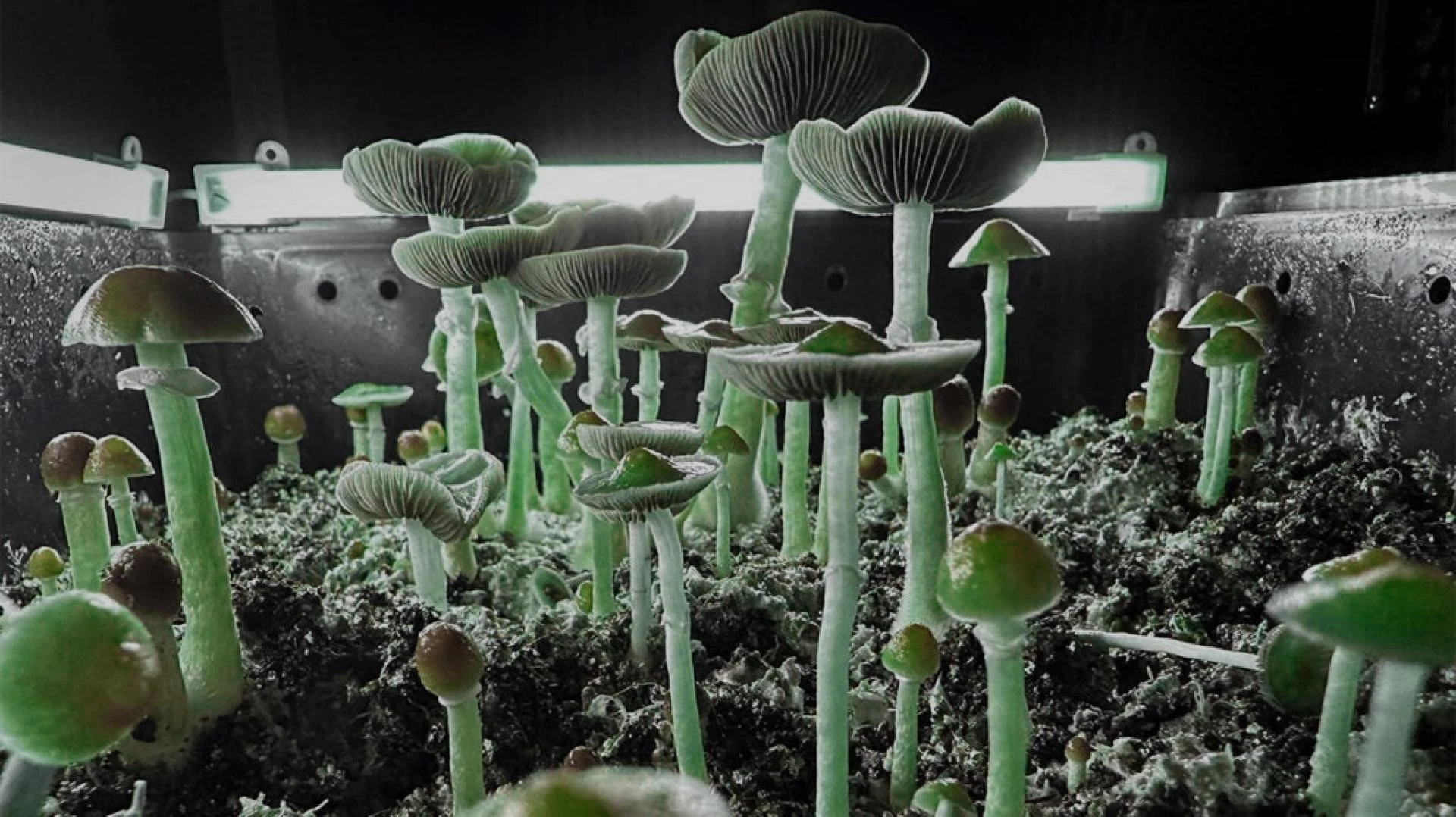

Introduction to Psilocybin and Magic Mushrooms
Psilocybin, the active compound found in magic mushrooms, has captivated humanity for centuries. These fascinating fungi are not just a part of ancient rituals; they have recently emerged as a topic of serious scientific inquiry. With growing interest from researchers and mental health professionals alike, psilocybin is stepping into the spotlight, challenging our understanding of consciousness and healing.
What if these seemingly simple mushrooms could unlock new pathways to mental wellness? Imagine harnessing their power in controlled doses—like psilocybin microdoses for medical use—to enhance creativity or alleviate anxiety. As studies unfold, we’re beginning to uncover how these mystical organisms affect the brain and what that means for our future.
Join us on this journey through time and science as we explore the rich history of psilocybin use, its neurochemical effects, potential therapeutic applications, risks involved with consumption, and its evolving legal status around the world. The story of magic mushrooms is both intriguing and complex—a narrative filled with possibilities waiting to be explored!
The History of Psilocybin Use
Psilocybin has a rich history that spans thousands of years. Ancient cultures, particularly in Mesoamerica, revered magic mushrooms for their spiritual and healing properties. The Aztecs called them "teonanácatl," translating to “God's flesh.” They used these fungi in rituals to connect with the divine.
In the mid-20th century, interest in psilocybin surged among Western researchers and counterculture movements alike. Notable figures like Timothy Leary advocated for its use as a tool for expanding consciousness.
However, by the 1970s, concerns about safety and potential misuse led to strict regulations globally. Despite this setback, recent decades have seen a resurgence of scientific interest. Researchers are now exploring psilocybin microdose for medical applications such as treating depression and anxiety.
This evolving narrative highlights humanity’s complex relationship with psychedelics—a journey marked by reverence, experimentation, prohibition, and renewed exploration.
How Psilocybin Affects the Brain: Neurological Changes and Effects on Perception
Psilocybin interacts with serotonin receptors, particularly the 5-HT2A receptor. This interaction leads to significant changes in brain activity and communication.
Users often report altered states of consciousness. Visual and auditory perceptions can intensify or shift. Colors may appear more vivid, and sounds can take on new dimensions.
Research indicates that psilocybin promotes neural connectivity. Regions of the brain that typically operate independently start to communicate more freely. This heightened connectivity fosters creativity and enhances problem-solving abilities.
Additionally, psilocybin appears to decrease activity in the default mode network (DMN). The DMN is associated with self-referential thoughts and ego-centric thinking. By dampening this network's activity, individuals may experience a sense of unity or interconnectedness.
These neurological changes contribute not only to profound experiences but also suggest potential therapeutic benefits for mental health conditions like depression and anxiety.
Potential Medical Uses of Psilocybin
Psilocybin is gaining attention in the medical community for its potential therapeutic benefits. Research suggests it may help alleviate symptoms of depression and anxiety, especially in patients resistant to traditional treatments.
Studies have shown that psilocybin can promote neuroplasticity, allowing the brain to form new connections. This could be crucial for those coping with trauma or persistent mental health disorders.
Moreover, some trials indicate that psilocybin might assist in addressing addiction issues. By altering perception and emotional responses, it allows individuals to confront their dependencies from a fresh perspective.
The substance also shows promise in managing end-of-life distress among terminally ill patients. The ability of psilocybin to induce profound experiences can lead to greater acceptance of mortality and reduced anxiety surrounding death.
As research continues, the landscape of psychiatric treatment may evolve dramatically with psilocybin at the forefront.
Risks and Side Effects of Psilocybin Use
Psilocybin use can come with a range of risks and side effects, even when taken in controlled settings. One significant concern is the potential for psychological distress. Users may experience anxiety or paranoia during their trip, which can be overwhelming.
Physical effects are also possible. Nausea and vomiting are common complaints after ingestion, often peaking early in the experience.
Long-term impacts remain largely unknown but could include persistent changes in mood or perception.
Certain individuals may have heightened sensitivity to psilocybin due to underlying mental health conditions like schizophrenia or bipolar disorder. This makes careful consideration essential before trying it.
Set and setting play crucial roles; an uncomfortable environment can trigger negative experiences that linger long after the effects subside. Understanding these risks helps users make informed choices about their experiences with psilocybin microdose for medical purposes.
Legal Status of Psilocybin in Different Countries
The legal status of psilocybin varies significantly across the globe. In some countries, such as the Netherlands, magic mushrooms are decriminalized and can be purchased in specialty shops. This creates a unique environment for both recreational use and research.
Meanwhile, Canada has made strides by allowing certain medical uses of psilocybin under specific regulations. Patients with terminal illness can apply for exemptions to use it in their treatment plans.
In contrast, many places still classify psilocybin as a Schedule I substance. The United States is one such example, where its possession remains illegal at the federal level despite local jurisdictions like Denver and Oakland decriminalizing it.
With changing attitudes toward mental health treatments, discussions around legalization continue to grow louder worldwide. Countries like Brazil have also shown interest in exploring therapeutic avenues while maintaining strict controls on usage.
Conclusion: The Future of Psilocybin Research and Use
The landscape surrounding psilocybin is evolving rapidly. As research continues to unveil its potential, interest in psilocybin microdose for medical applications grows. Scientists are exploring its effects on mental health, addiction treatment, and overall well-being.
Ongoing studies have shown promising results in managing conditions like depression and anxiety. The insight gained from these investigations could reshape the way we approach mental health care.
Legal barriers remain a significant challenge. However, changes in public perception and ongoing advocacy efforts suggest that reform may be on the horizon. Countries are beginning to recognize the therapeutic benefits of psilocybin.
As we look ahead, collaboration between researchers, policymakers, and healthcare professionals will be crucial in navigating this complex terrain. A future where psilocybin plays a vital role in medicine could provide new hope for many seeking relief from various ailments.
With every study published and each legislative change made, we move closer to understanding how magic mushrooms can enhance our lives through responsible use and informed practices. The journey into the depths of what psilocybin has to offer is just beginning—its full potential remains an exciting frontier waiting to be explored.



























Sign in to leave a comment.