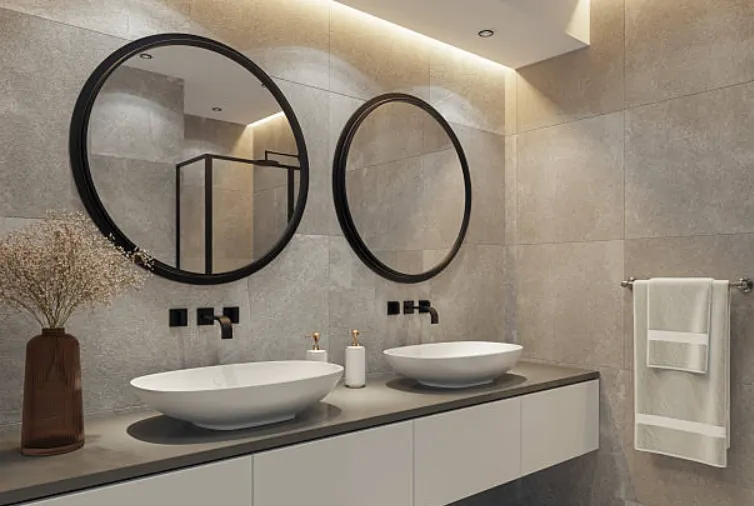

When travelers check into a luxury property, they expect an environment that surpasses the comfort of their own homes. The bathroom is often the first place a guest inspects to judge the quality of the establishment. A sleek vanity acts as the centerpiece of this space, combining aesthetics with essential utility. For hotel operators, selecting the right fixtures is a strategic move that directly influences guest satisfaction and long-term maintenance costs in a competitive market.
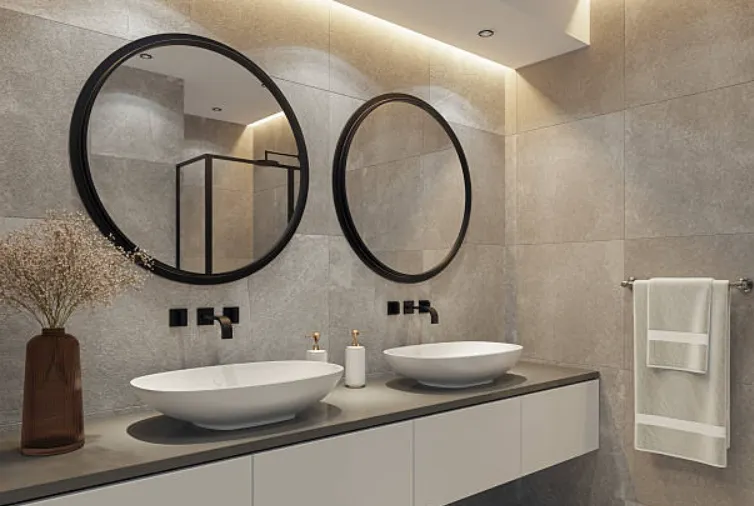
High-traffic environments require a specific type of construction that standard residential units simply cannot provide. Every surface must be non-porous and resistant to the harsh chemicals used by housekeeping teams for daily sanitization. Furthermore, the structural integrity of the unit must support heavy stone countertops and constant use by different individuals. Investing in professional-grade furniture ensures that the room maintains its "like-new" feel for years, protecting the initial capital investment made by the property owners.
Integrating Functional Bathroom Furniture into Boutique Designs
In boutique hotels, where every room may have a unique layout, the choice of bathroom furniture must be intentional. Standardized, off-the-shelf units often fail to capture the character of a specialized property. Custom joinery allows for the integration of unique textures, such as reclaimed wood or industrial metals, which align with the brand’s specific narrative. This level of customization transforms a functional necessity into a piece of art that resonates with modern, design-conscious travelers.
Storage is another critical factor that separates average rooms from exceptional ones. Guests today carry a wide array of personal care products and electronics. A well-thought-out design includes enough counter space for these items, along with hidden storage for extra towels or hair dryers. When the vanity area is organized and spacious, the guest feels more at ease. This sense of order contributes to a positive psychological experience, making the room feel more like a private retreat than a temporary lodging.
The Importance of Moisture Resistance in Hospitality
Bathrooms are naturally humid environments, and in a hotel setting, they are used much more frequently than in a home. Constant steam and water splashes can quickly ruin inferior materials, leading to swelling or mold growth. Using marine-grade plywood or high-density fiberboard with specialized coatings is essential for longevity. These materials are engineered to resist warping, ensuring that drawers and doors continue to align perfectly throughout the entire life cycle of the product.
Lighting and Mirror Coordination
The vanity does not exist in a vacuum; it must be perfectly coordinated with the lighting and mirrors. Many modern hospitality designs now incorporate "smart mirrors" that feature anti-fog technology and adjustable LED lighting. When these are paired with a custom-built base, the result is a cohesive grooming station that guests love. Providing the right lighting for makeup application or shaving is a functional detail that guests frequently mention in positive reviews of high-end properties.
Engineering a Durable Hotel Bathroom Vanity for Global Standards
For international hotel chains, consistency across different geographical locations is a hallmark of brand reliability. A hotel bathroom vanity must meet strict international safety and durability standards while being easy to ship and install. Using modular construction techniques allows manufacturers to produce high volumes of furniture that can be flat-packed for efficient logistics. This approach reduces shipping costs and minimizes the carbon footprint of large-scale renovation projects across the globe.
Beyond the physical structure, the hardware used in these units must be industrial-grade. Soft-close drawers are no longer just a luxury; they are a requirement to prevent noise complaints between adjacent rooms. Heavy-duty slides ensure that drawers can handle the weight of heavy guest kits without sagging. When every component is engineered for performance, the hotel staff can focus on guest service rather than constant repairs and maintenance calls.
Custom FF&E Solutions for Large Resorts
Large-scale resorts often require thousands of identical units that must be delivered within tight construction windows. Coordinating the Furniture, Fixtures, and Equipment (FF&E) phase of such a project requires a partner with deep manufacturing expertise. These providers understand how to balance the designer's vision with the practical realities of mass production. This collaboration ensures that the final product is both beautiful and cost-effective, meeting the needs of both the creative team and the financial stakeholders.
Sustainable Manufacturing Practices
Sustainability is becoming a core value for many hospitality brands. Using FSC-certified wood and low-emission finishes helps hotels meet their environmental goals and achieve green certifications. Additionally, choosing manufacturers that utilize solar power or waste-reduction technologies in their factories adds another layer of responsibility to the project. Guests are increasingly aware of these efforts, and promoting a commitment to sustainable sourcing can be a powerful differentiator in the modern travel market.
Maximizing Operational Efficiency Through Smart Design
Housekeeping efficiency is a major driver of hotel profitability. Vanities that are wall-mounted, or "floating," allow staff to clean the floor underneath quickly and thoroughly. This design also eliminates corners where dust and hair can accumulate, leading to a higher standard of hygiene. Furthermore, choosing surfaces that are resistant to fingerprints and water spots reduces the time required to polish the bathroom between guest stays, allowing the team to flip rooms faster.
The placement of the sink and faucet also matters for maintenance. Undermount sinks are preferred in the hospitality industry because they allow water to be wiped directly from the counter into the basin without catching on a rim. This prevents the buildup of grime and minerals at the edge of the sink, keeping the vanity looking pristine for longer. These small design choices have a massive impact on the daily workload of the hotel’s operations team.
Creating a Lasting Impression on the Modern Traveler
In the age of digital sharing, the "Instagrammability" of a hotel room is a legitimate marketing asset. A stunning bathroom with high-quality finishes is a frequent subject of guest photos. By investing in a vanity that looks as good in a picture as it does in person, hotels can benefit from free organic promotion. This visual appeal, combined with the physical feeling of luxury, creates a lasting impression that drives brand loyalty and word-of-mouth recommendations.
Conclusion
The bathroom vanity is more than just a place to wash up; it is a vital component of the guest’s journey. By selecting pieces that prioritize durability, functionality, and high-end design, hotel managers can significantly enhance the value of their property. Whether through custom joinery or high-volume FF&E solutions, the focus must always remain on quality. A well-designed bathroom ensures that guests leave feeling refreshed and pampered, which is the ultimate goal of any successful hospitality business.























Sign in to leave a comment.