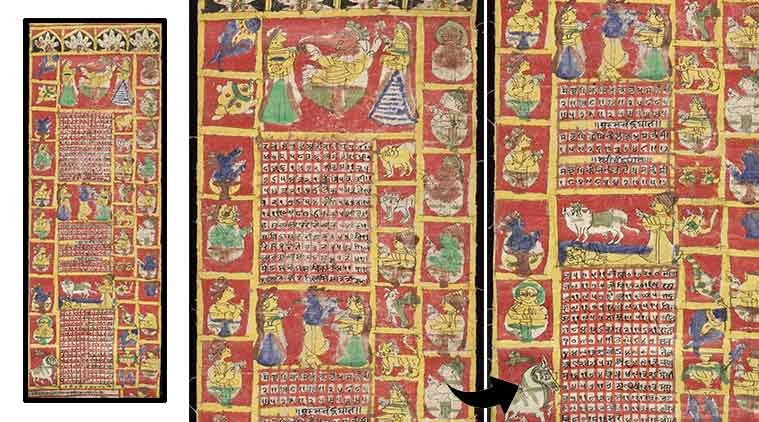

The Hindu Calendar, also known as Panchang, plays a crucial role in determining the dates and timing of various religious festivals and ceremonies. These festivals are an integral part of Hindu culture and are celebrated with great enthusiasm and devotion across India and other South Asian countries. In this article, we will explore the significance of Hindu festivals as per the calendar.
Introduction to Hindu Festivals
Hindu festivals are based on the lunar and solar cycles and are celebrated throughout the year. These festivals are an important way to honor and celebrate various gods and goddesses and are an opportunity for devotees to come together and participate in religious rituals and ceremonies.
The timing of these festivals is determined by the Panchang, which takes into account the movement of the Moon, Sun, and other celestial bodies. Let's take a closer look at some of the most significant Hindu festivals and their significance as per the calendar.
Diwali
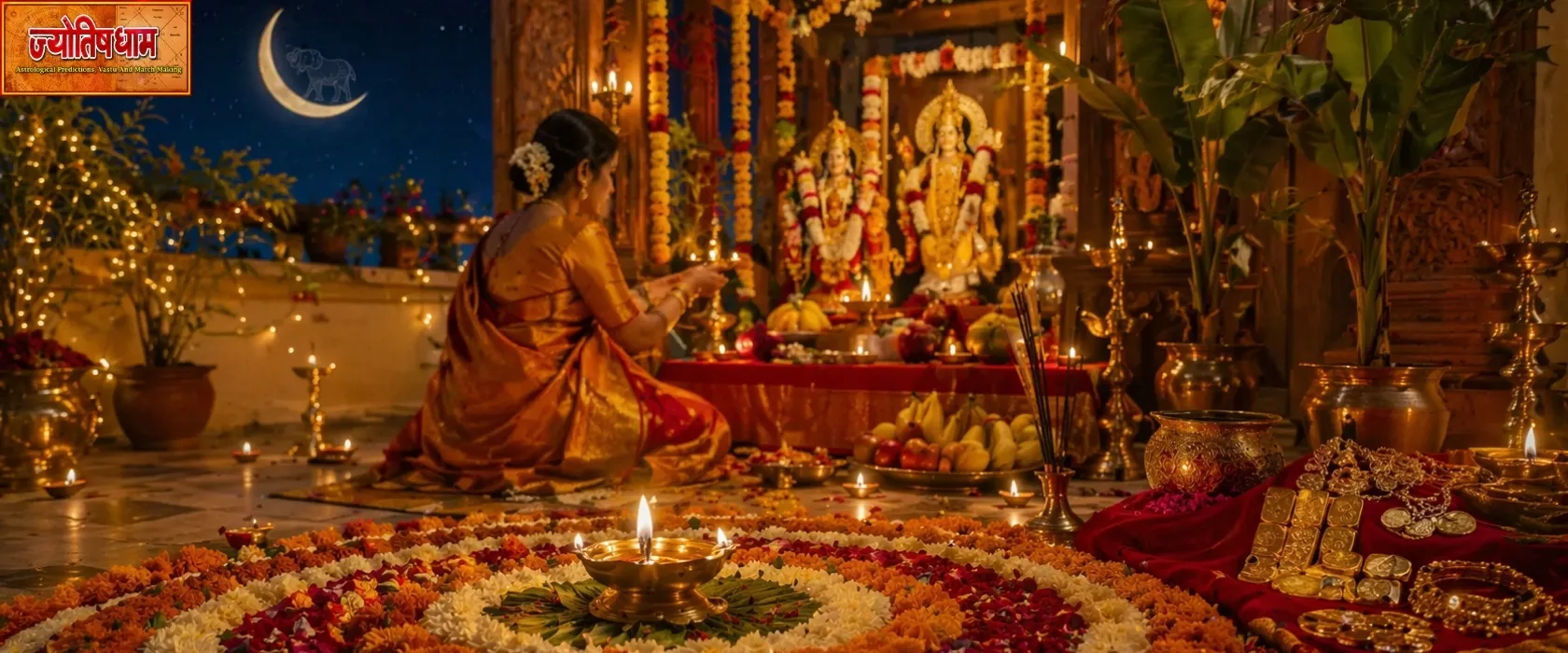
Diwali, also known as the festival of lights, is one of the most widely celebrated Hindu festivals. It falls on the Amavasya Tithi of the Hindu month of Kartik, which typically falls in October or November.
Diwali celebrates the triumph of good over evil and is associated with the story of Lord Rama's return to Ayodhya after defeating the demon king Ravana. The festival is celebrated by lighting diyas or lamps, decorating homes with rangolis, and bursting fireworks.
Holi
Holi is another popular Hindu festival that is celebrated across India and other South Asian countries. It falls on the Purnima Tithi of the Hindu month of Phalguna, which typically falls in February or March.
It is associated with the story of Prahlad and his devotion to Lord Vishnu. The festival is celebrated by throwing colored powder and water on each other and is a time for joy and merriment.
Navratri
Navratri is a nine-day festival that celebrates the divine feminine energy or Shakti. It falls on the Shukla Paksha of the Hindu month of Ashwin, which typically falls in September or October.
Navratri is celebrated in different ways across India, but the common theme is the worship of the nine forms of the goddess Durga. The festival is a time for fasting, prayer, and cultural celebrations such as Garba and Dandiya.
Eid al-Fitr
Eid al-Fitr, also known as the festival of breaking the fast, is an Islamic festival that is celebrated by Muslims across the world. In India, it is a public holiday and is celebrated with great enthusiasm by people of all faiths.
Eid al-Fitr falls on the first day of the Islamic month of Shawwal, which is determined by the sighting of the new moon. The festival marks the end of the month of Ramadan, which is a period of fasting and spiritual reflection for Muslims.
Eid al-Fitr is a time for family and community gatherings, feasting, and gift-giving. It is a time to express gratitude for the blessings received during Ramadan and to renew the commitment to the values of compassion, generosity, and service.
Conclusion:
Hindu festivals are an integral part of Indian culture and are celebrated with great enthusiasm and devotion across the country. These festivals are based on the lunar and solar cycles and are determined by the Panchang or Hindu calendar.
Each festival has its own unique significance and is associated with a particular mythological story or deity. These festivals are an opportunity for devotees to come together and participate in religious rituals and ceremonies, and to express their gratitude and devotion to the divine.























Sign in to leave a comment.