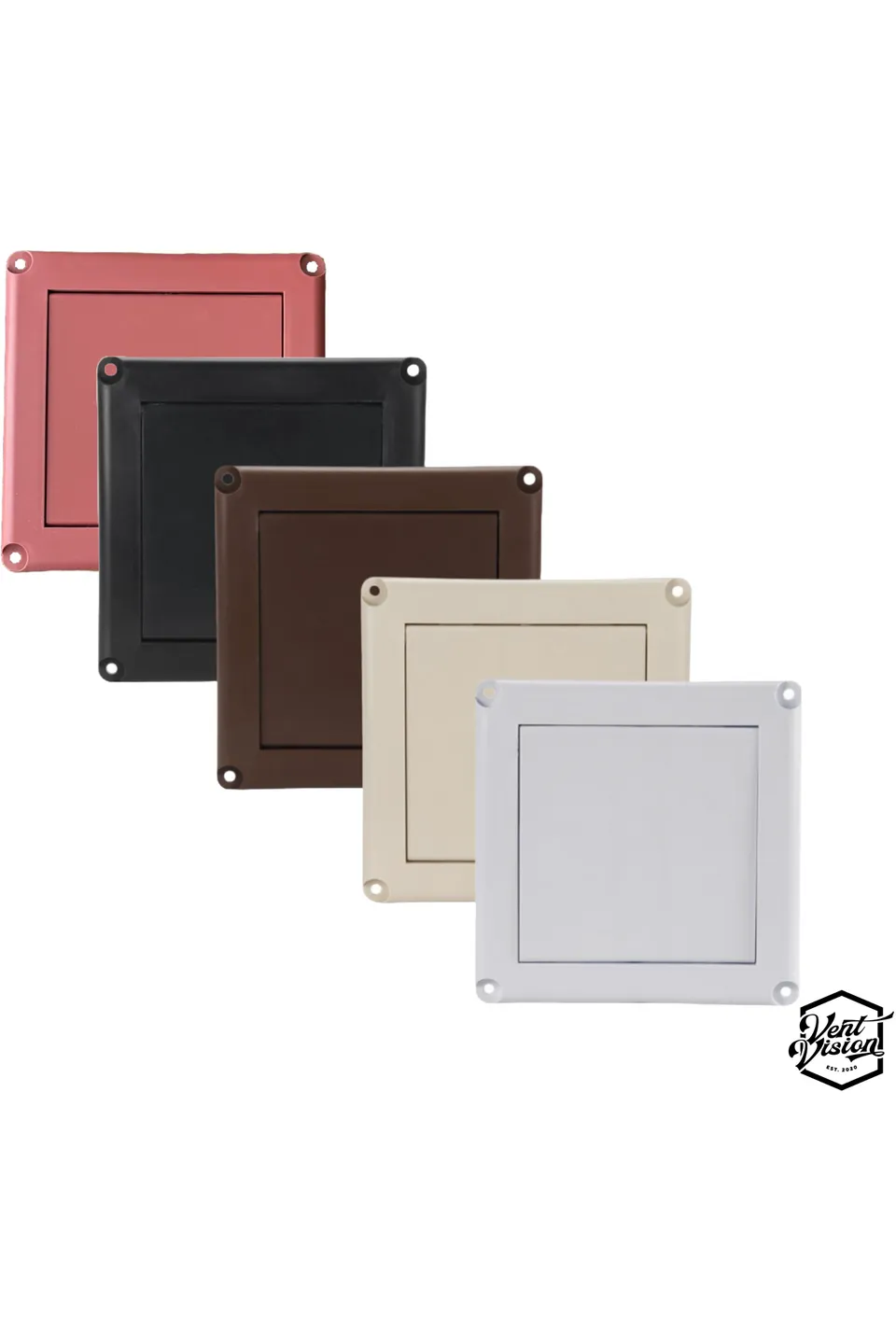

Most people don’t think twice about what happens to the hot, damp air that comes out of their clothes dryer. You load your laundry, press start, and walk away. But behind the scenes, that air travels through a vent and exits your home through a small but important part: the dryer vent cover flaps.
These flaps may look like a minor detail, but they play a big role in keeping your home safe, clean, and energy-efficient. Think of them like a tiny door that opens when your dryer is running and closes when it’s not. This simple action helps keep out unwanted air, pests, and even debris.
In this article, we’ll break everything down in plain language. You’ll learn what these flaps do, why they matter, how they work, and how to choose and maintain the right one for your home.
What Are Dryer Vent Cover Flaps?
Imagine a mailbox with a lid that opens when you drop in a letter and shuts right after. That’s very similar to how a vent flap works.
A dryer vent flap is a lightweight covering attached to the outside vent of your dryer system. It opens when air pushes against it from inside and closes when the airflow stops.
Why are they important?
Without these flaps, your vent would stay open all the time. That might not sound like a big deal, but it can lead to several problems:
- Cold or hot air entering your home
- Rainwater getting inside
- Small animals or insects making their way into your vent
- Dust and debris clogging the system
So, while they’re small, they’re definitely not something you want to ignore.
How Do They Work?
Let’s keep it simple.
When your dryer is running, it pushes out warm air along with moisture and lint. This air travels through a duct and reaches the outside vent.
At that point:
- The pressure from the air pushes the flap open
- The air escapes outside
- When the dryer stops, the flap falls back into place
It’s similar to opening a door with your hand. Once you let go, the door swings shut again.
Types of Dryer Vent Cover Flaps
Not all vent covers are the same. There are a few common types, each designed for different needs and environments.
1. Single Flap Covers
These are the most basic type. They have one flap that opens outward.
Best for: Mild climates where weather isn’t too harsh.
2. Multi-Flap Covers
These have two or more layers of flaps for added protection.
Best for: Areas with strong winds or frequent rain.
3. Louvered Covers
These look like angled slats instead of a single flap. They open and close with airflow.
Best for: Homes that want a more secure barrier against pests.
4. Magnetic or Weighted Flaps
Some modern designs use magnets or added weight to ensure the flap closes tightly.
Best for: Improving energy efficiency and preventing drafts.
Common Materials Used
The material of your vent flap affects how long it lasts and how well it performs.
Plastic
- Lightweight and affordable
- Easy to install
- Can crack over time in extreme temperatures
Metal (Aluminum or Steel)
- Strong and durable
- Better for harsh weather
- Slightly more expensive
Mixed Materials
Some brands, like Vent Vision, combine materials to get the best of both worlds—durability and flexibility.
Why Dryer Vent Flaps Matter More Than You Think
It’s easy to overlook something so small, but these flaps help prevent real problems.
1. Energy Efficiency
An open vent is like leaving a window slightly open all day. Your heating or cooling system has to work harder.
A properly closing flap helps:
- Keep indoor temperatures stable
- Reduce energy bills
2. Pest Prevention
Birds, rodents, and insects love small openings. A vent without a working flap can become an easy entry point.
3. Fire Safety
Lint buildup is one of the leading causes of dryer fires. While the flap itself doesn’t stop lint, it helps maintain proper airflow, which reduces buildup.
4. Moisture Control
Without a flap, rainwater or humid air can enter your vent system. Over time, this can lead to mold or damage.
Signs Your Dryer Vent Flap Needs Attention
Like any part of your home, vent flaps don’t last forever. Here are some signs it might be time for a repair or replacement:
1. It Doesn’t Close Properly
If the flap stays open after the dryer stops, it’s not doing its job.
2. Cracks or Damage
Weather and age can cause materials to weaken.
3. Strange Noises
If you hear rattling or flapping sounds in the wind, something may be loose.
4. Increased Energy Bills
A poorly sealing vent can let outside air in, making your system work harder.
How to Choose the Right Vent Flap
Picking the right option doesn’t have to be complicated. Just think about your home’s needs.
Consider Your Climate
- Windy areas: Choose weighted or multi-flap designs
- Rainy areas: Look for weather-resistant materials
- Cold climates: Ensure a tight seal to prevent drafts
Look for Easy Maintenance
Some designs are easier to clean than others. Choose one that allows quick access.
Check Durability
A slightly higher upfront cost can save money in the long run if the product lasts longer.
Brands like Vent Vision often focus on balancing durability with ease of use, making them a popular choice for homeowners.
Installation Basics
Installing a vent flap is usually straightforward, but it does require a bit of care.
Simple steps:
- Remove the old cover
- Clean the vent opening
- Align the new cover
- Secure it with screws
- Seal edges if needed
If you’re not comfortable doing it yourself, a professional can handle it quickly.
Maintenance Tips
Keeping your vent flap in good condition doesn’t take much effort.
Regular Cleaning
Dust and lint can build up over time. A quick wipe or rinse every few months helps.
Check Movement
Make sure the flap opens and closes freely. If it sticks, it may need cleaning or replacement.
Inspect Seasonally
Weather changes can affect materials, so it’s a good idea to check at least twice a year.
Common Mistakes to Avoid
Even simple things can go wrong if you’re not careful.
Ignoring Small Problems
A slightly open flap might not seem urgent, but it can lead to bigger issues over time.
Choosing the Cheapest Option
Low-cost products may not last long, especially in tough weather conditions.
Skipping Maintenance
Even the best flap won’t perform well if it’s clogged or damaged.
A Simple Way to Think About It
Think of your dryer vent flap like a gate for your home’s airflow.
- When it works well, everything flows smoothly
- When it fails, unwanted things get in
It’s a small part with a big impact—just like a lock on a door or a lid on a container.
Conclusion
Dryer vent cover flaps might not be something you think about often, but they quietly do an important job every day. From keeping out pests to improving energy efficiency and reducing fire risks, they help protect your home in ways that aren’t always obvious.
The good news is that they’re simple to understand, easy to maintain, and affordable to replace. By choosing the right type and checking it regularly, you can avoid bigger problems down the line.
So next time you walk past your dryer or step outside your home, take a moment to notice that small vent on the wall. Behind it is a hardworking little flap doing its part to keep your home safe, comfortable, and efficient.



























Sign in to leave a comment.