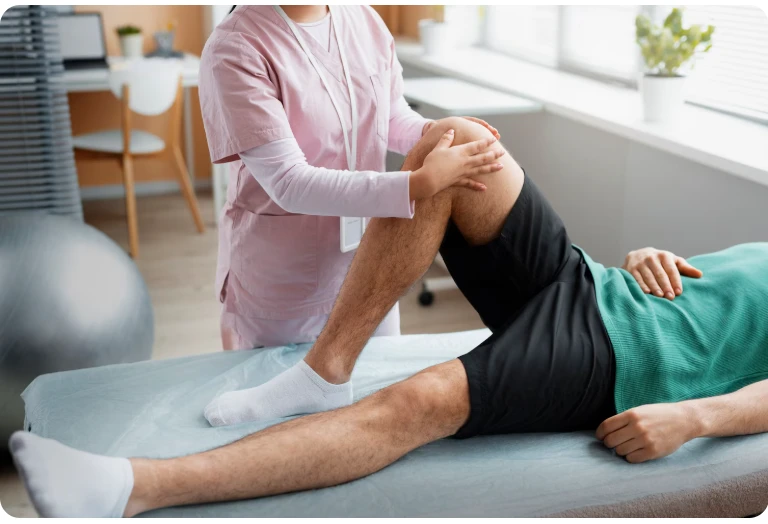

Knee pain is one of the most common joint complaints among adults, affecting mobility, independence, and overall quality of life. Whether caused by injury, arthritis, overuse, or degenerative changes, persistent knee discomfort should not be ignored. While temporary remedies may reduce symptoms, long-term relief requires a structured and medically guided approach.
At Maywell Health, we believe effective knee pain treatment begins with accurate diagnosis, individualized care planning, and evidence-based therapies designed to restore function — not just mask symptoms. This guide explains how specialists approach knee joint pain cure and what patients can expect when seeking long-term solutions.
Understanding the Root Cause of Knee Pain
The knee is a complex joint composed of bones, cartilage, ligaments, tendons, and surrounding muscles. Because it supports body weight and absorbs impact during movement, it is especially vulnerable to wear and injury.
Common causes of knee pain include:
- Osteoarthritis
- Ligament injuries (ACL, MCL)
- Meniscus tears
- Tendonitis
- Bursitis
- Patellofemoral pain syndrome
- Post-surgical complications
- Overuse from repetitive motion
Identifying the exact source of pain is critical. Without proper evaluation, treatment may provide short-term comfort but fail to address the underlying issue.
Step 1: Comprehensive Evaluation
A specialist begins with a detailed assessment that may include:
- Medical history review
- Physical examination
- Range-of-motion testing
- Strength assessment
- Gait analysis
- Imaging studies (if necessary)
At Maywell Health, our goal during evaluation is to determine not only where the pain is located, but why it is occurring. Understanding biomechanics, lifestyle factors, and injury history allows for a more targeted treatment strategy.
Step 2: Conservative Treatment Approaches
For many patients, non-surgical interventions provide significant improvement.
Physical Therapy
Structured rehabilitation strengthens surrounding muscles, improves joint stability, and enhances flexibility. Therapy programs often focus on:
- Quadriceps strengthening
- Hamstring conditioning
- Core stabilization
- Balance training
Strong supporting muscles reduce pressure on the knee joint and prevent recurrence.
Activity Modification
Adjusting high-impact activities and incorporating low-impact alternatives such as swimming or cycling may reduce strain on the joint.
Anti-Inflammatory Management
Short-term use of anti-inflammatory medications or topical treatments may help control swelling and discomfort under medical supervision.
Step 3: Interventional Pain Management
When conservative measures are insufficient, interventional procedures may provide targeted relief.
Corticosteroid Injections
These reduce inflammation within the joint and may offer temporary symptom improvement.
Hyaluronic Acid Injections
These aim to improve joint lubrication in patients with arthritis.
Nerve Blocks
Targeted nerve injections may interrupt pain signals and help confirm the source of discomfort.
Regenerative Therapies
In certain cases, regenerative approaches may stimulate the body’s natural healing processes.
At Maywell Health, treatment recommendations are personalized based on the severity of symptoms, structural findings, and patient goals.
Step 4: Addressing Biomechanical Imbalances
Long-term relief often depends on correcting the factors that contributed to knee pain in the first place.
Specialists evaluate:
- Foot alignment
- Hip strength
- Walking patterns
- Postural habits
- Weight distribution
Corrective strategies may include orthotics, strengthening exercises, or posture training.
Step 5: Preventing Recurrence
Sustainable recovery goes beyond immediate symptom control. Prevention strategies include:
- Maintaining a healthy weight
- Engaging in regular strengthening exercises
- Warming up before activity
- Wearing supportive footwear
- Avoiding repetitive strain
Education plays a vital role in reducing the risk of future flare-ups.
When Is Surgery Considered?
Surgical intervention may be necessary in cases of:
- Advanced joint degeneration
- Severe ligament tears
- Significant structural damage
- Persistent instability
However, surgery is typically considered only after conservative and interventional treatments have been explored.
Even after surgery, structured rehabilitation is essential for optimal recovery.
Signs You Should See a Specialist
Seek evaluation if you experience:
- Knee pain lasting more than several weeks
- Swelling that does not improve
- Joint instability
- Difficulty bearing weight
- Pain that limits daily activities
- Symptoms following an injury or accident
Early intervention improves outcomes and may prevent long-term joint damage.
The Importance of Individualized Care
Every patient’s knee pain is unique. Factors such as age, activity level, overall health, and severity of joint damage influence treatment decisions.
At Maywell Health, we prioritize personalized care plans that align with each patient’s lifestyle and recovery goals. Our approach focuses on restoring mobility, reducing inflammation, and enhancing overall joint health through structured and medically guided treatment.
A Long-Term Perspective on Knee Pain Relief
Temporary solutions may offer brief comfort, but long-term relief requires a comprehensive and strategic approach. Accurate diagnosis, targeted therapy, rehabilitation, and preventive strategies form the foundation of effective knee pain treatment.
If knee discomfort is affecting your mobility or quality of life, professional evaluation can provide clarity and direction. With the right medical guidance, sustainable improvement is achievable — allowing you to move confidently and comfortably once again.
At Maywell Health, our commitment is to help patients move beyond pain and toward lasting relief through informed, evidence-based care.












Sign in to leave a comment.