
Understanding the Spinal Surgery Pipeline Product Market
The spinal surgery pipeline refers to a series of products and technologies that are in various stages of development and testing. These can range from innovative implant materials to cutting-edge surgical instruments and techniques. spinal surgery pipeline product Market and the pipeline represents the future of spinal surgery and holds the promise of improving patient outcomes, reducing recovery times, and enhancing the overall quality of care.
Key Categories of Spinal Surgery Pipeline Products
1. Implants and Prosthetics
Spinal implants are a critical component of the pipeline. They include artificial discs, vertebral body replacements, and interbody cages. These devices aim to restore stability and function to the spine while minimizing the impact on adjacent segments.
2. Biologics and Regenerative Therapies
Biological products are increasingly prominent in spinal surgery. This category includes stem cell therapies and growth factors that promote tissue regeneration. These therapies have the potential to accelerate healing and reduce the need for traditional surgical interventions.
3. Minimally Invasive Surgical Techniques
Advancements in minimally invasive surgery (MIS) are transforming the field. New instruments and techniques allow surgeons to perform complex spinal procedures with smaller incisions, leading to shorter hospital stays and quicker recoveries.
4. Navigation and Robotics
Navigation and robotic systems are on the rise in spinal surgery. These technologies offer precision and accuracy in placing implants and conducting procedures, reducing the margin of error and improving patient outcomes.
5. Neuromonitoring Devices
Devices for intraoperative neuromonitoring are vital in spinal surgeries. They help surgeons track and protect neural structures during the procedure, reducing the risk of nerve damage.
Market Trends and Future Prospects
The spinal surgery pipeline product market is witnessing several noteworthy trends:
Customization: Products are becoming increasingly personalized, with implants and prosthetics tailored to the patient's unique anatomy.
3D Printing: 3D printing technology is used to create patient-specific implants and surgical instruments, revolutionizing spinal surgery.
Telemedicine: Telemedicine is playing a more significant role, enabling consultations and follow-ups with specialists, improving patient access to care.
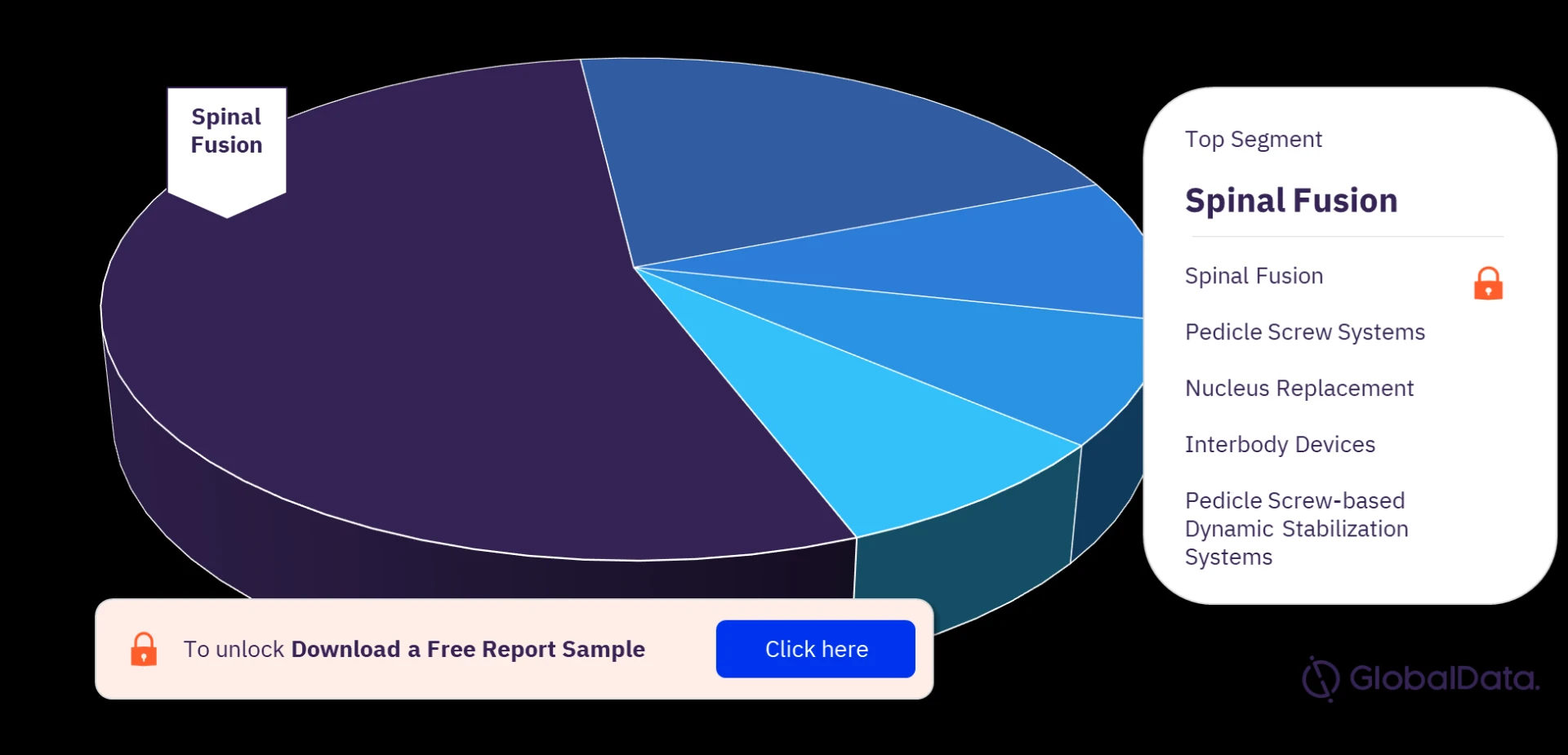
Value-Based Care: There is a growing emphasis on value-based care, focusing on patient outcomes and long-term health, rather than just short-term interventions. For more segment insights into the Spinal Surgery pipeline products market, download a free report sample












Sign in to leave a comment.