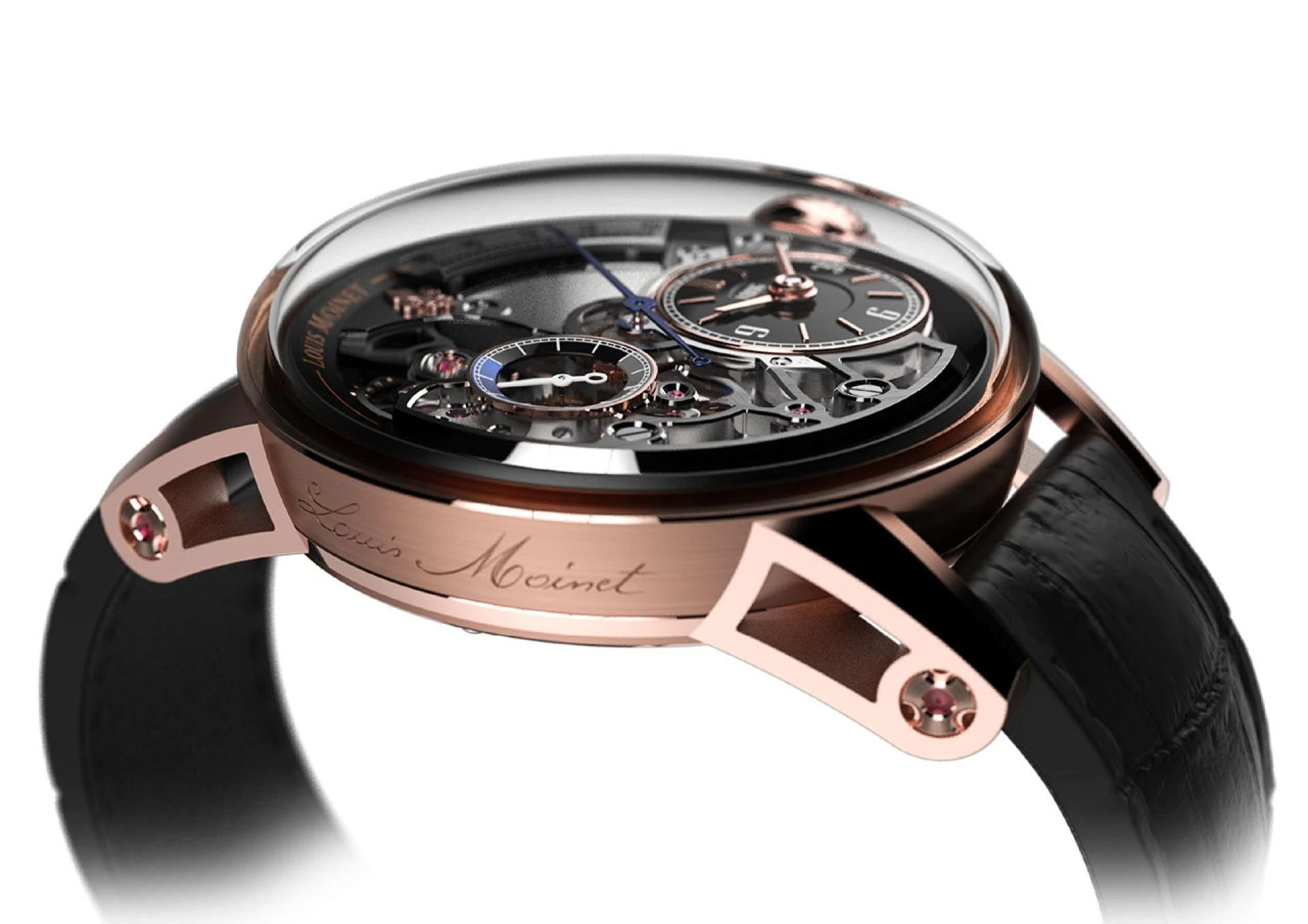

In the early days of watchmaking, there was a deep longing for precision that stirred the hearts of both creators and admirers of timepieces. While traditional watches faithfully told the time, there was a lingering frustration—a yearning for more. This desire grew especially strong in fields like science and sports, where accurate timing was crucial. Scientists wanted to capture celestial events with pinpoint accuracy, while athletes dreamed of measuring their performances down to the split second. It was a time filled with anticipation, a sense that something remarkable was on the horizon.
For astronomers, the night sky was a canvas of wonder and mystery, but it also held a challenge: how to capture the fleeting moments of celestial phenomena with absolute precision. Each missed opportunity felt like a loss, spurring on a quest for better timekeeping. Similarly, athletes, fueled by passion and determination, longed for a way to capture the exhilarating moments of victory or the thrill of breaking records. The idea of the chronograph emerged as a beacon of hope—a symbol of innovation and progress in the face of this longing. With every tick of the clock, there was a sense of anticipation, a belief that the future held untold possibilities where time would no longer be a constraint, but a tool to unlock humanity's greatest achievements.
The Creation of Chronograph
Louis Moinet, a luminary in the world of watchmaking and a contemporary of the esteemed Abraham-Louis Breguet, embarked on a journey fueled by the relentless pursuit of precision. In 1816, he unveiled his magnum opus—the first-ever chronograph, the "Compteur de Tierces." Inspired by the pressing need for exact timing across diverse fields, Moinet poured his heart and soul into crafting a timepiece that would revolutionize horology. The chronograph, derived from the Greek words "chronos" for time and "graphein" for writing, emerged as a beacon of progress, enabling humanity to meticulously measure the passage of time in myriad endeavors.
For years, the narrative surrounding chronographic innovation was intertwined with the name of Rieussec, who unveiled his groundbreaking creation in 1821 at Paris’ Champs de Mars. His mahogany-encased chronograph, marked intervals with a spot of ink on the dial, showcasing remarkable precision during horse races. However, the chronicle of chronograph history took an unexpected turn with the rediscovery of Moinet’s hidden stopwatch. Dating back to 1816 and concealed within the collection of a northern European royal family, Moinet's creation bore a striking resemblance to the modern chronograph. Revived from decades of dormancy, Monet’s timer, dubbed a "chronoscope," boasted unparalleled accuracy, measuring intervals to 1/60th of a second—a revolutionary feat for its time.
Moreover, Louis Moinet watches chronographs operated at an astounding frequency of 30 Hz, a technological marvel far beyond its era. This revelation, coupled with the modern chronograph setup attributed to Adolphe Nicole in 1862, reshaped historical narratives, solidifying Moinet's legacy as the undisputed father of the chronograph. As the sands of time continue to unfurl, Moinet's enduring contribution to horology stands as a testament to human ingenuity and the unwavering quest for precision—a legacy that continues to inspire generations of watchmakers and enthusiasts alike.
The Evolution of Chronograph
In the years that followed, a wave of passion and innovation swept through the horological community as watchmakers and inventors dedicated themselves to refining and enhancing Moinet's original chronograph design. Nicolas Rieussec's groundbreaking chronograph, unveiled in 1821, stirred hearts and minds with its ingenious rotating dial, leaving a trail of wonder and excitement in its wake. Throughout the 19th and 20th centuries, the relentless pursuit of perfection fueled advancements in mechanical engineering and manufacturing techniques, infusing each chronograph with a soulful blend of craftsmanship and precision. These remarkable timepieces became cherished companions, accompanying adventurers, scientists, and athletes on their daring journeys through time and space.
As the mid-20th century dawned, the world stood in awe as iconic chronograph models from revered brands like Rolex, Omega, and Louis Moinet watches emerged, each bearing the mark of innovation and excellence. The introduction of quartz technology in the 1960s ignited a firestorm of excitement, propelling the chronograph into a new era of unparalleled accuracy and reliability. With recent decades witnessing the dawn of the digital age, the chronograph has evolved once again, embracing electronic displays, GPS tracking, and smartwatch capabilities to meet the ever-changing demands of modern life. Today, the chronograph stands as a beacon of timeless elegance and technological prowess, captivating the hearts of enthusiasts and collectors around the globe. With a rich tapestry of classic mechanical marvels and cutting-edge digital innovations, the chronograph continues to weave its spell, ensuring its legacy as an icon of horological excellence for generations to come.










Sign in to leave a comment.