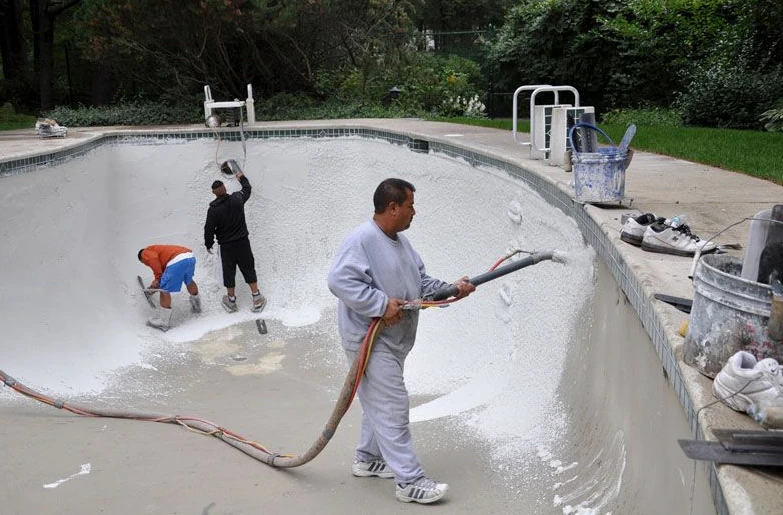

If we talk about a backyard pool, it is not just a summer luxury but an investment that you are making for your ultimate relaxation, family fun, and home value. But with time, even the best-built pools start to show wear and tear. One of the most important maintenance tasks every property owner will face is replastering.
If your pool is also starting to look a bit down, one of the best pool replastering companies might be the answer you are looking for. But how do you know that your pool needs replastering? Here are some signs that help you know when you need to hire professionals.
1. Surface Feels Rough or Uneven
One of the biggest indicators is how the plaster feels underfoot. A healthy plaster surface should feel smooth and comfortable. If you notice rough patches, pitting, or flaking, your plaster may be degrading.
Generally, over time, chemicals and water adhere to the plaster and will eventually damage it. In many cases, the plaster will feel like fine-grained sandpaper. This surface isn’t just uncomfortable; it can also cause minor injuries to the swimmer, and it will accelerate the damage to the pool.
Don't wait until it’s too far gone. Rough surfaces are usually signs of more serious structural damage.
2. Stains and Discoloration That Won’t Go Away
Is your once-spotless pool now stained or discolored? Algae, minerals, and even an imbalanced chemical cocktail can leave stains on aging plaster. If washing, scrubbing, and cleaning don't seem to help, your plaster may be absorbing stains.
3. Leaks or Water Loss
Pool leaks are often concealed until your water bill has an unexpected spike, or you are always topping off the pool. Worn plaster can create hairline cracks, and eventually, these small cracks expand, resulting in the loss of water and possible structural problems.
You need to look for an unexplained drop in water level, wet spots or erosion near the pool, or cracks in plaster or tile lines.
Leaks that are left unchecked can create expensive repairs and possibly require a complete rebuild of the pool.
4. Visible Cracks or Delamination
Cracking in the plaster could start out small enough, but can spiral out of control quickly. In the advanced stages of deterioration, the plaster may separate from the concrete shell beneath (delaminating), creating hollow spots (or bubbles) beneath the surface.
5. It’s Been 7-10 Years Since the Last Replastering
Even if you think your pool is in good condition, simply the age may justify replastering. Most plaster finishes last around 7-10 years, depending on usage, maintenance and environmental exposure.
If your pool has been neglected for 10 years, it's likely that your surface has thinned out, lost its barrier coat, and is susceptible to damage - although it may not be showing yet.
Contact Atlantis Pool Plastering
Whether you are looking for mottled pool plaster or professional replastering services, we at Atlantis Pool Plaster offer the quality, transparency, and professionalism your project deserves.
























Sign in to leave a comment.