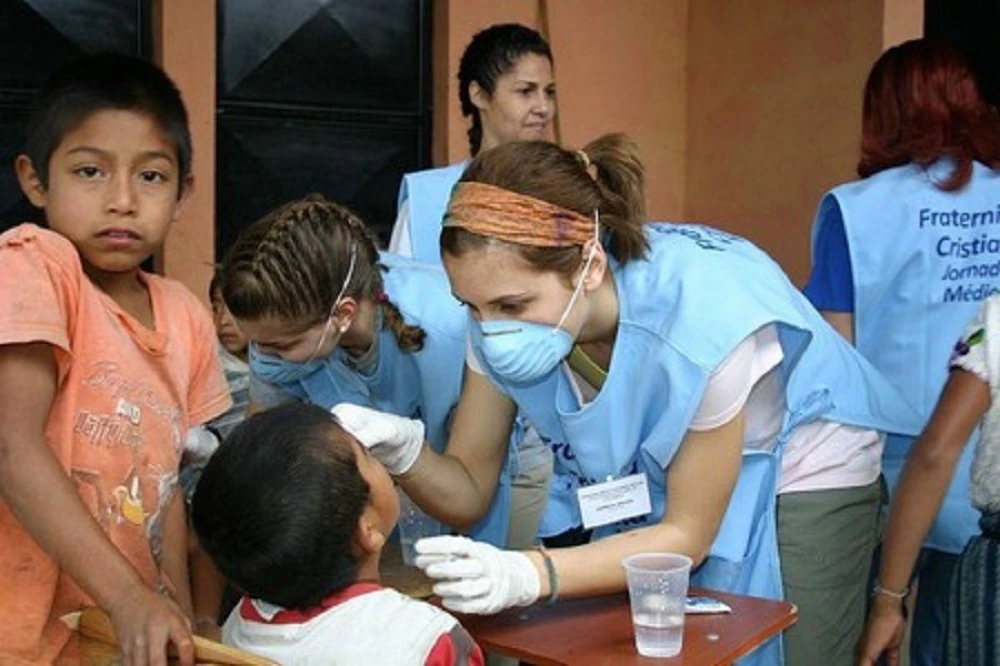

In the digital age, technology has reshaped virtually every aspect of our lives, including how we approach public health and community work. From telemedicine to data-driven interventions, digitization has revolutionized healthcare delivery and community outreach, offering new opportunities to enhance efficiency, accessibility, and effectiveness. This essay explores the multifaceted impact of digitization on public health and community work, examining its benefits, challenges, and implications for the future.
Telemedicine and Remote Healthcare Services:Digitization has enabled the proliferation of telemedicine, allowing patients to access healthcare services remotely. Through video consultations, remote monitoring devices, and mobile health apps, individuals can receive medical advice, diagnosis, and treatment without the need for in-person visits. This not only improves accessibility, especially for rural and underserved populations but also reduces the burden on healthcare infrastructure and enhances efficiency by streamlining the appointment process. Data-driven Decision Making:The digitization of health records and the advent of big data analytics have revolutionized how public health officials and community workers make decisions. By harnessing vast amounts of data, including demographic information, health indicators, and environmental factors, stakeholders can identify trends, predict outbreaks, and target interventions more effectively. For example, predictive analytics can help identify at-risk populations for certain diseases, enabling proactive interventions and resource allocation. Health Education and Awareness:Digital platforms have become powerful tools for health education and awareness campaigns. Social media, online forums, and mobile apps provide avenues for disseminating accurate health information, promoting preventive measures, and fostering community engagement. Additionally, interactive technologies such as virtual reality (VR) and augmented reality (AR) offer innovative ways to educate the public about health risks and preventive behaviors in an immersive and engaging manner. Remote Monitoring and Chronic Disease Management:For individuals with chronic conditions, digitization offers opportunities for remote monitoring and self-management. Wearable devices, such as fitness trackers and smartwatches, can continuously monitor vital signs, activity levels, and medication adherence, allowing healthcare providers to intervene promptly in case of anomalies. Moreover, digital platforms facilitate patient education, support networks, and behavioral interventions to empower individuals in managing their health proactively. Equity and Accessibility Challenges:While digitization holds immense promise for improvingpublic health and community work, it also presents challenges related to equity and accessibility. Not everyone has equal access to technology or the digital literacy skills necessary to navigate online health resources effectively. Moreover, disparities in internet access, socioeconomic status, and healthcare infrastructure can exacerbate existing inequalities, widening the digital divide and hindering the reach of digital health interventions. Privacy and Data Security Concerns:The digitization of health information raises significant concerns regarding privacy and data security. With the proliferation of electronic health records and interconnected health systems, safeguarding sensitive patient data from breaches and unauthorized access becomes paramount. Moreover, the use of personal health data for research and analytics necessitates robust regulations and ethical guidelines to protect individual privacy rights and ensure data integrity. Collaborative Approaches and Partnerships:Addressing the complex challenges posed by digitization requires collaborative approaches and partnerships across sectors. Public health agencies, healthcare providers, technology companies, academia, and community organizations must work together to harness the full potential of digital innovations while mitigating risks and ensuring equitable access. By fostering interdisciplinary collaboration and knowledge exchange, stakeholders can develop innovative solutions that prioritize health equity and community empowerment. Future Directions and Opportunities:Looking ahead, the future of digitization in public health and community work holds immense promise for transformative change. Advancements in artificial intelligence, machine learning, and digital health technologies are poised to further revolutionize healthcare delivery, disease prevention, and community engagement. However, realizing this potential requires a concerted effort to address systemic barriers, bridge the digital divide, and prioritize inclusivity and equity in the digital health ecosystem.
In conclusion, digitization has reshaped public health and community work, offering unprecedented opportunities to improve healthcare delivery, enhance community engagement, and advance population health outcomes.
The impact of social media on public health and community work is a topic of growing interest and concern in today's digitally connected world. Over the past decade, social media platforms have become powerful tools for communication, information dissemination, and community engagement.
Positive Impacts:
Information Dissemination: Social media platforms provide a rapid and efficient means of disseminating public health information to a large audience. Health organizations and community groups can use platforms like Twitter, Facebook, and Instagram to share information about disease outbreaks, preventive measures, and available resources, reaching people who may not have access to traditional sources of health information.Health Promotion Campaigns: Social media enables the development and implementation of targeted health promotion campaigns. Organizations can use targeted advertising and influencer partnerships to reach specific demographic groups with messages promoting healthy behaviors such as vaccination, exercise, and healthy eating.Community Building: Social media platforms facilitate the formation of online communities centered around specific health conditions or interests. These communities provide support, information, and resources to individuals facing health challenges, fostering a sense of belonging and reducing feelings of isolation.Negative Impacts:
Misinformation and Disinformation: Social media platforms are fertile grounds for the spread of misinformation and disinformation about health topics. False claims about vaccines, treatments, and disease prevention measures can spread rapidly, undermining public trust in scientific evidence and leading to negative health outcomes.Health Disparities: Not everyone has equal access to social media or the digital literacy skills necessary to critically evaluate health information online. This can exacerbate health disparities, with marginalized communities facing greater challenges in accessing accurate health information and resources.Cyberbullying and Stigma: Social media can be a platform for cyberbullying and the spread of stigma towards individuals with certain health conditions. Negative comments, harassment, and discrimination can have significant psychological and emotional impacts on individuals, exacerbating mental health issues and deterring people from seeking help.Privacy Concerns: The collection and use of personal health information on social media raise privacy concerns. Users may be unaware of how their data is being used or shared, and breaches of privacy can have serious consequences for individuals' health and well-being.Strategies for Maximizing Benefits and Mitigating Risks:
Promoting Digital Literacy: Educating the public about how to critically evaluate health information online is essential for mitigating the spread of misinformation and empowering individuals to make informed decisions about their health.Collaboration with Influencers and Community Leaders: Engaging with trusted influencers and community leaders can help amplify accurate health messages and reach diverse audiences. Building partnerships with influencers who have credibility and reach within specific communities can enhance the effectiveness of health promotion efforts.Enhancing Regulation and Oversight: Social media companies can play a role in combating misinformation by implementing policies and algorithms to detect and remove false or harmful content. Governments and regulatory bodies can also implement policies to hold social media platforms accountable for the spread of health misinformation.Promoting Inclusivity and Equity: Efforts to promote health on social media should be inclusive and culturally sensitive, taking into account the diverse needs and perspectives of different communities. Addressing barriers to access and ensuring that health information is available in multiple languages can help reduce disparities in health outcomes.
Sign in to leave a comment.