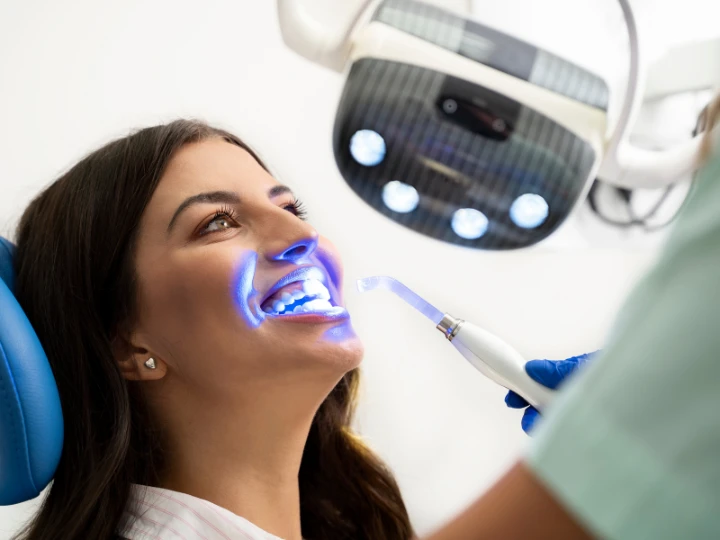

A bright smile is often linked with confidence, health, and good oral care. Yet many people notice their teeth becoming dull or yellow over time, even when they brush daily. It’s common to search for solutions online, typing phrases like teeth whitening near me in the hope of finding an easy fix. But before jumping into treatments, it helps to understand why teeth stain in the first place and how whitening actually works.
Why Do Teeth Become Stained?
Tooth discolouration is completely normal and can happen for several reasons. Teeth are not naturally paper-white — they have subtle shades that vary from person to person. Over time, both lifestyle habits and natural ageing can change their appearance.
1. Food and Drinks
Certain foods and beverages are well known for staining teeth. Coffee, tea, red wine, and cola contain pigments called chromogens that cling to tooth enamel. Acidic drinks can also weaken enamel, making it easier for stains to settle in.
2. Smoking and Tobacco
Tobacco is one of the biggest causes of yellow and brown stains. Nicotine and tar attach strongly to enamel, leading to deep discolouration that brushing alone usually can’t remove.
3. Ageing
As we get older, the outer layer of enamel slowly wears down. This reveals more of the dentine underneath, which is naturally more yellow in colour. That’s why teeth may appear darker with age, even with good oral hygiene.
4. Poor Oral Hygiene
Irregular brushing and flossing allow plaque and tartar to build up. This buildup traps stains and can make teeth look dull or discoloured.
5. Medications and Health Factors
Some antibiotics taken during childhood, certain medical treatments, and even excessive fluoride exposure can affect tooth colour. These types of stains often sit deeper within the tooth structure.
The Difference Between Surface and Deep Stains
Not all stains are the same, and this matters when it comes to whitening.
Surface (Extrinsic) Stains
These stains sit on the outer enamel and are usually caused by food, drinks, or smoking. They often respond well to professional cleaning and whitening treatments.
Deep (Intrinsic) Stains
These stains occur within the tooth itself. They may be caused by trauma, medications, or ageing. While whitening can still help in some cases, results may be more subtle and sometimes require alternative cosmetic options.
How Teeth Whitening Actually Works
Teeth whitening treatments use safe bleaching agents, usually hydrogen peroxide or carbamide peroxide, to break down stain molecules. These agents penetrate the enamel and lighten both surface and some deeper stains.
Contrary to popular belief, whitening doesn’t “paint” teeth white. Instead, it removes or reduces discolouration, allowing the natural brightness of your teeth to show through.
Professional Whitening
In-chair whitening performed by dental professionals uses carefully controlled whitening gels. Because the process is supervised, the strength of the whitening agent can be higher than over-the-counter products. This often leads to faster and more noticeable results.
Take-Home Whitening Kits
Custom take-home kits from a dental clinic provide trays made to fit your teeth. These are worn with whitening gel for a set period over several days or weeks. The results appear gradually but can be very effective.
Over-the-Counter Products
Whitening toothpastes, strips, and gels are widely available. These may help with minor surface stains but usually don’t produce dramatic changes because they contain lower concentrations of active ingredients.
Is Teeth Whitening Safe?
When done correctly and under professional guidance, teeth whitening is considered safe. Some people may experience temporary tooth sensitivity or mild gum irritation, but these effects usually settle quickly.
It’s important to remember that whitening does not work on crowns, veneers, or fillings. These materials don’t change colour, which may affect overall shade matching.
How Long Do Whitening Results Last?
Whitening isn’t permanent, but results can last from several months to a few years depending on lifestyle habits. Limiting staining foods and drinks, quitting smoking, and maintaining good oral hygiene can help keep teeth brighter for longer.
Regular dental cleans also play a big role in removing surface stains before they build up again.
When Whitening Might Not Be Enough
If stains are very deep or uneven, whitening alone may not give the desired result. In such cases, options like veneers or bonding may be discussed with a dental professional. These treatments address colour and shape at the same time, but they are more complex than whitening.
Final Thought
Stained teeth are a common and natural concern, not a sign that you’ve done something wrong. Understanding the cause of discolouration is the first step in choosing the right solution. Teeth whitening can be a safe and effective way to refresh your smile, especially for stains caused by everyday habits. With realistic expectations and proper care, it can make a noticeable difference while still looking natural.
Frequently Asked Questions
1. Does teeth whitening damage enamel?
No, professional whitening does not damage enamel when used as directed. The products are designed to be safe while effectively lifting stains.
2. Why do my teeth feel sensitive after whitening?
Temporary sensitivity can happen because whitening agents open tiny pores in the enamel. This usually settles within a few days.
3. Can whitening remove all types of stains?
Whitening works best on surface stains. Deep or internal discolouration may lighten but might not disappear completely.
4. How often can I whiten my teeth?
This depends on the method used and your oral health. A dental professional can recommend a safe schedule based on your needs.
5. Will whitening make my fillings or crowns whiter?
No, whitening only works on natural teeth. Existing dental work will stay the same colour and may need replacing if shade matching is a concern.
Shellharbour Dentists
7/9-25 Captain Cook Dr, Barrack Heights,
NSW 2528, Australia












Sign in to leave a comment.