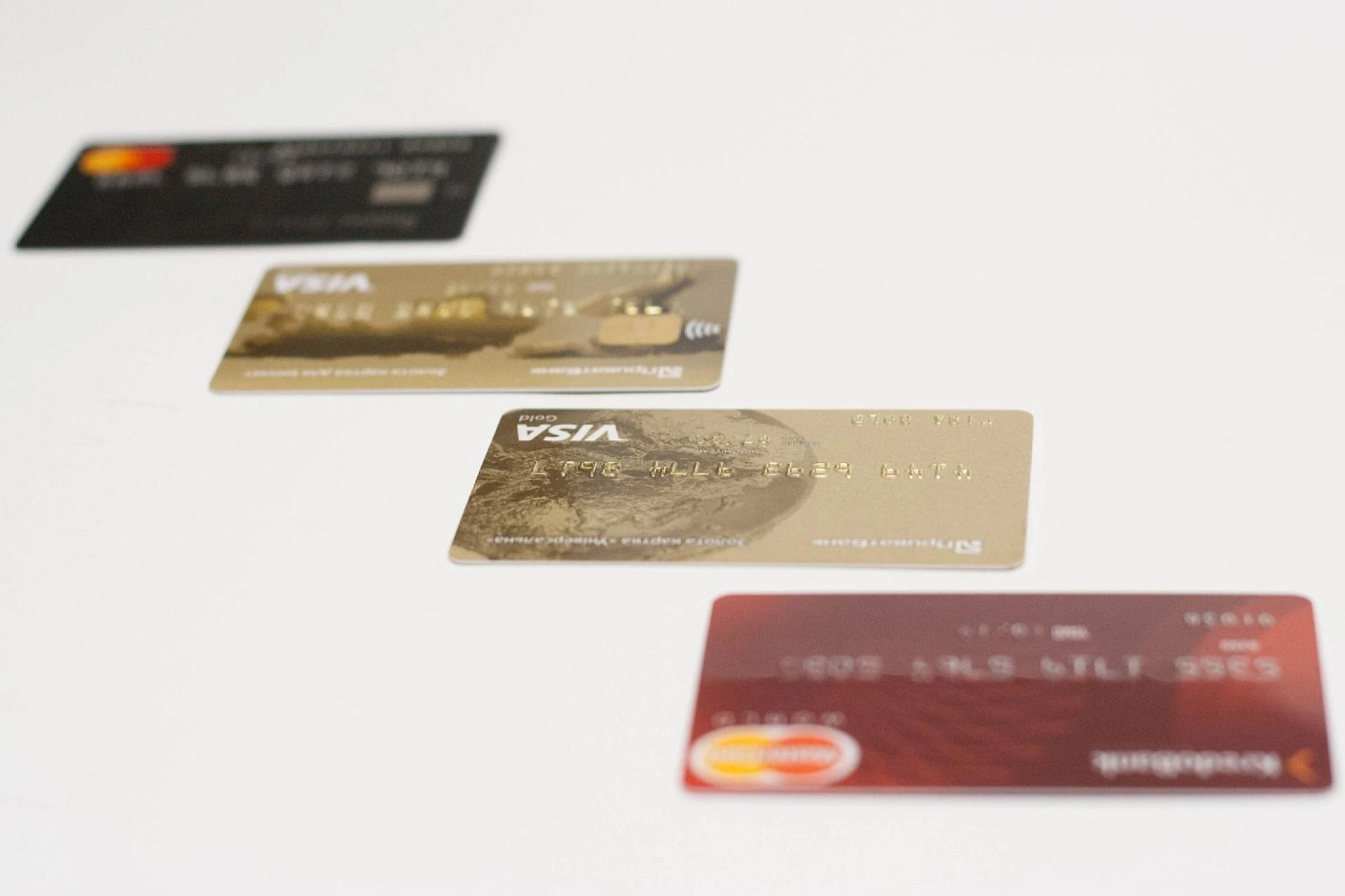

Credit cards are often touted as indispensable financial tools, offering convenience, flexibility, and numerous perks. They can be your best friend when you\'re enjoying their benefits, yet can quickly transform into your worst enemy if not managed responsibly. To maintain a healthy relationship with your credit card, it\'s essential to understand both its advantages and potential pitfalls.
Advantages of Credit Cards
The appeal of credit cards lies primarily in their convenience and purchasing power. Unlike cash, they allow you to make purchases almost anywhere, anytime, without carrying bulky wallets or worrying about running out of funds. Whether dining at a restaurant, shopping online, or booking travel accommodations, a simple swipe or tap of a credit card suffices. This ease of use not only simplifies transactions but also provides a level of security—credit cards often come with fraud protection and the ability to dispute charges, offering peace of mind to consumers.
Moreover, credit cards serve as a useful financial tool for managing cash flow. They offer a grace period between the time of purchase and when payment is due, which can be advantageous for smoothing out temporary financial gaps or unexpected expenses. Additionally, many credit cards come with rewards programs that incentivize spending, offering cashback, points, or travel rewards for every dollar spent. For disciplined users who pay off their balances in full each month, these rewards can amount to significant savings or benefits over time.
Disadvantages and Risks
However, the benefits of credit cards come with inherent risks and potential downsides. The most significant drawback is the temptation to overspend beyond one\'s means. Credit cards provide a false sense of financial security, allowing users to defer immediate payment for purchases. This can lead to impulse buying or accumulating debt that exceeds one\'s ability to repay comfortably.
Furthermore, the cost of credit can be substantial if not managed correctly. Credit card companies charge interest on unpaid balances, often at high rates that can quickly escalate if payments are missed or delayed. In addition to interest charges, late fees and penalties may apply, further increasing the overall debt burden. For individuals with multiple credit cards or revolving balances, juggling payments and managing debt can become overwhelming, leading to financial stress and impacting credit scores negatively.
Another risk associated with credit cards is the potential for identity theft and fraud. Despite security measures in place, credit card information can be compromised, leading to unauthorized charges and potential damage to one\'s credit history. Vigilance and prompt reporting of suspicious activities are essential to mitigate these risks and protect personal finances.
Responsible Credit Card Usage
To harness the benefits of credit cards while minimizing risks, responsible usage is paramount. Understanding the terms and conditions of your credit card agreements, including interest rates, fees, and rewards programs, empowers you to make informed financial decisions. Creating and adhering to a budget that incorporates credit card payments ensures that expenditures remain within manageable limits.
Regular monitoring of credit card statements and credit reports helps detect any discrepancies or unauthorized transactions promptly. Setting reminders for payment due dates and establishing automatic payments can prevent missed payments and the associated fees. Additionally, prioritizing the repayment of high-interest debt and avoiding unnecessary borrowing are crucial steps towards maintaining financial stability.
Conclusion
In conclusion, credit cards can be valuable tools for managing finances, offering convenience, security, and rewards when used responsibly. However, their misuse can lead to financial hardship and debt accumulation. By understanding both the benefits and risks associated with credit card usage, individuals can make informed choices that support their financial goals and maintain a positive relationship with their credit cards.
Ultimately, the key to making credit cards work for you lies in disciplined financial management, thoughtful spending habits, and proactive debt repayment strategies. By doing so, you can ensure t hat your credit card remains a supportive ally in your financial journey, rather than a source of stress or financial strain.







Sign in to leave a comment.