
ntroduction
The United States boasts one of the world\'s largest and most diverse foodservice markets. From fast-food chains to fine dining establishments, the industry caters to a wide range of consumer preferences and occasions. This article delves into the key drivers, trends, challenges, and future prospects of the U.S. foodservice market.
A Nation of Food Lovers
The U.S. foodservice industry is characterized by:
- Diverse Culinary Landscape: A melting pot of cultures has resulted in a wide array of cuisines, from traditional American fare to international delicacies.
- Strong Consumer Spending: Americans spend a significant portion of their disposable income on food and beverages.
- Technological Advancements: The industry has embraced technology to enhance customer experience and operational efficiency.
Key Drivers of Market Growth
Several factors have contributed to the growth of the U.S. foodservice market:
- Rising Disposable Incomes: Increasing disposable incomes have enabled consumers to spend more on dining out.
- Changing Demographics: The growing Hispanic and Asian populations have introduced new tastes and preferences.
- Busy Lifestyles: The fast-paced nature of American life has fueled demand for convenient food options.
- Evolving Consumer Preferences: Health and wellness trends, along with a desire for unique experiences, are shaping consumer choices.
Market Segmentation
The U.S. foodservice market can be segmented based on various factors:
- Type of Establishment: Full-service restaurants, fast-food restaurants, casual dining restaurants, fine dining restaurants, foodservice contractors, and vending machines.
- Price Point: Upscale, mid-scale, and value-oriented segments.
- Cuisine: American, Italian, Mexican, Chinese, and other ethnic cuisines.
- Location: Urban, suburban, and rural areas.
Challenges and Opportunities
The U.S. foodservice industry faces several challenges:
- Labor Shortages: The industry has struggled to find and retain qualified employees.
- Rising Food Costs: Increasing prices of food commodities have impacted profitability.
- Economic Fluctuations: Economic downturns can affect consumer spending on dining out.
- Intense Competition: The market is highly competitive, with new entrants and established players vying for market share.
However, these challenges also present opportunities for innovation and differentiation. By focusing on customer experience, offering unique dining concepts, and leveraging technology, foodservice businesses can thrive.
Emerging Trends
The U.S. foodservice industry is undergoing significant transformation, driven by several emerging trends:
- Delivery and Takeout: The convenience of food delivery and takeout has become a staple for many consumers.
- Health and Wellness: Consumers are increasingly seeking healthier food options, including organic, plant-based, and gluten-free choices.
- Technology Integration: Digital menus, online ordering, and mobile payments are reshaping the dining experience.
- Ghost Kitchens and Virtual Brands: These concepts are gaining popularity as a way to optimize kitchen space and expand offerings.
- Experiential Dining: Creating unique and immersive dining experiences is becoming a trend.
The Future of the U.S. Foodservice Market
The U.S. foodservice market is expected to continue its growth trajectory, driven by increasing disposable incomes, changing demographics, and evolving consumer preferences. The industry will likely witness further consolidation, with larger chains acquiring smaller players.
Technology will play a crucial role in shaping the future of the market, with innovations in food delivery, payment systems, and customer engagement. The emphasis on sustainability and ethical sourcing will also become increasingly important.
Conclusion
The U.S. foodservice market is a complex and dynamic industry, reflecting the diverse tastes and preferences of the American consumer. By understanding the key trends and challenges, industry players can position themselves for success in this competitive landscape.
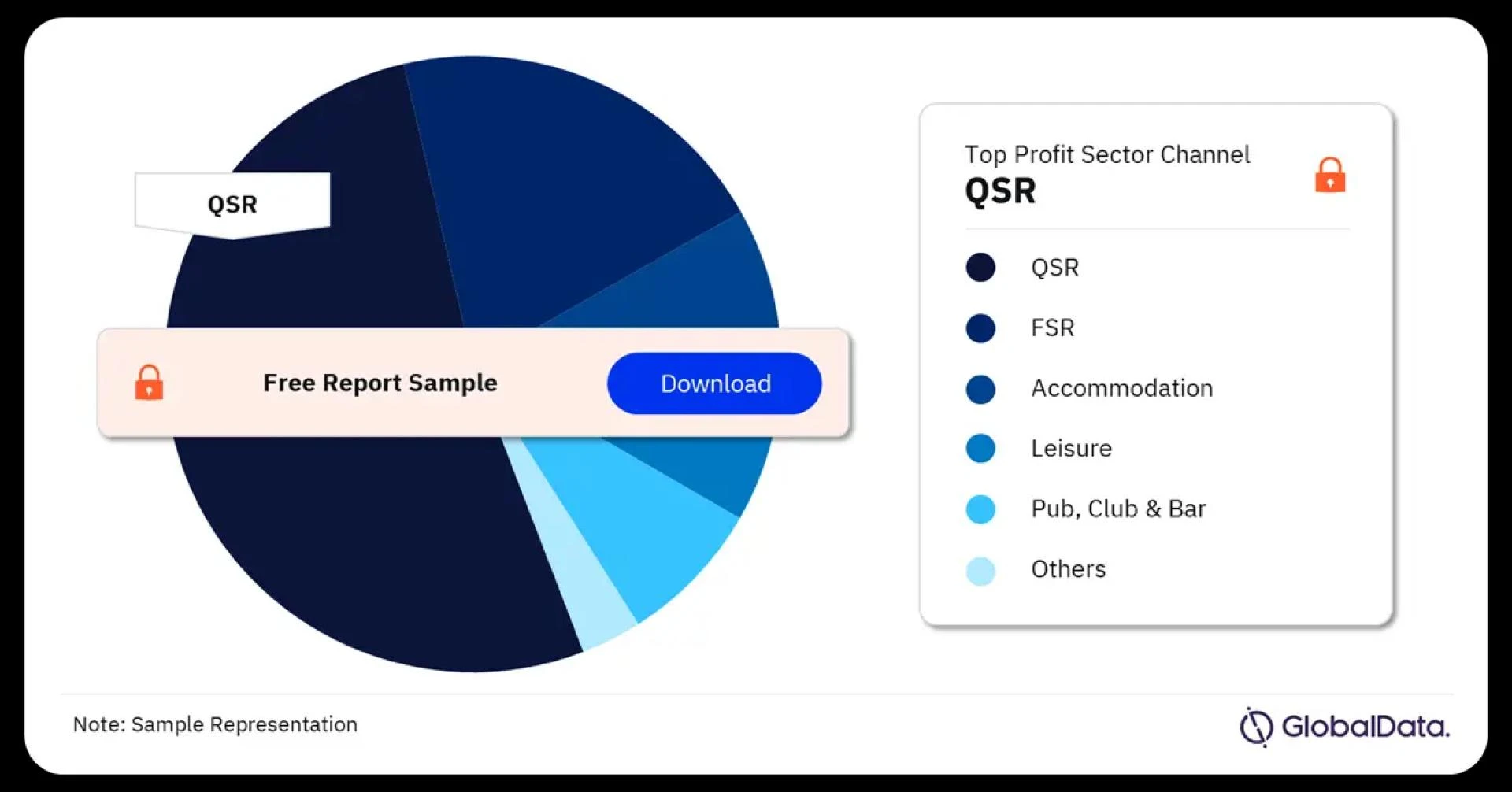
Buy the Full Report for More Channel Insights into the US Foodservice Market, Download A Free Sample Report



























Sign in to leave a comment.