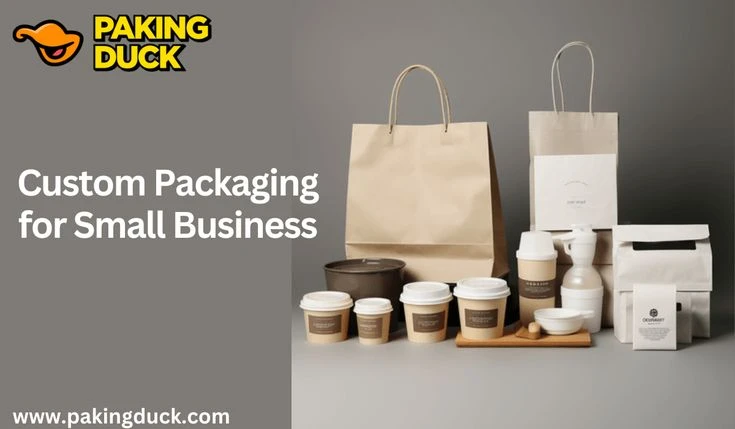

Introduction:
In today’s competitive market, custom packaging has become a crucial element for businesses looking to stand out and make a lasting impression on their customers. Whether you’re a small startup or an established brand, creating unique and eye-catching packaging can help you differentiate your products, increase brand recognition, and ultimately drive sales. In this comprehensive beginner’s guide, we’ll walk you through the step-by-step process of creating custom packaging that perfectly represents your brand and captivates your target audience.
Section 1: Understanding the Importance of Custom Packaging
Before diving into the design process, it’s essential to understand why custom packaging matters. Your packaging is often the first point of contact between your product and potential customers, making it a powerful marketing tool. Custom packaging allows you to:
- Showcase your brand identity and values
- Protect your products during shipping and handling
- Provide a memorable unboxing experience for customers
- Communicate important product information and benefits
- Differentiate your products from competitors
Section 2: Defining Your Packaging Goals and Requirements
To create effective custom packaging, you need to have a clear understanding of your goals and requirements. Consider the following factors:
- Product type and size: Determine the dimensions and characteristics of your product to ensure a perfect fit.
- Target audience: Identify your target customers and consider their preferences, age, and lifestyle.
- Brand identity: Define your brand’s personality, values, and unique selling points to incorporate into your packaging design.
- Budget: Establish a realistic budget for your packaging, considering materials, printing, and quantity.
- Sustainability: Decide if eco-friendly or sustainable packaging aligns with your brand values and customer expectations.
Section 3: Choosing the Right Packaging Materials
Selecting the appropriate materials for your custom packaging is crucial for both product protection and visual appeal. Some popular options include:
1. Cardboard: Versatile, cost-effective, and recyclable, cardboard is suitable for a wide range of products.
2. Corrugated boxes: Ideal for shipping and protecting fragile items, corrugated boxes offer excellent durability.
3. Rigid boxes: Perfect for high-end products, rigid boxes provide a luxurious and premium feel.
4. Plastic: Lightweight and moisture-resistant, plastic packaging is suitable for various products, such as cosmetics or food items.
5. Eco-friendly materials: Sustainable options like biodegradable plastics, recycled paper, or plant-based materials cater to environmentally conscious consumers.
Section 4: Designing Your Custom Packaging
Now comes the exciting part — designing your custom packaging. Here are some key elements to consider:
- Layout and structure: Determine the shape, size, and style of your packaging based on your product and brand identity.
- Color scheme: Choose colors that align with your brand guidelines and evoke the desired emotional response from customers.
- Typography: Select fonts that are legible, visually appealing, and consistent with your brand’s style.
- Imagery and graphics: Incorporate high-quality images, illustrations, or patterns that showcase your product and brand personality.
- Branding elements: Include your logo, tagline, and other brand identifiers prominently on the packaging.
- Product information: Clearly display essential details like product name, description, ingredients, and instructions.
Section 5: Finding the Right Packaging Supplier
Once you have your packaging design ready, it’s time to find a reliable supplier to bring your vision to life. Research and compare different packaging suppliers based on:
- Experience and expertise: Look for suppliers with a proven track record in your industry or product category.
- Production capabilities: Ensure the supplier can accommodate your packaging requirements, such as size, materials, and printing techniques.
- Minimum order quantities (MOQs): Consider the supplier’s MOQs and how they align with your production needs and budget.
- Pricing and lead times: Compare pricing and turnaround times from multiple suppliers to find the best value for your business.
- Customer support: Choose a supplier that offers excellent communication, responsiveness, and support throughout the production process.
Section 6: Testing and Refining Your Custom Packaging
Before placing a large order, it’s crucial to test and refine your custom packaging to ensure it meets your expectations. Here’s how:
1. Request samples: Order physical samples of your packaging to assess the quality, functionality, and visual appeal.
2. Conduct product fit tests: Place your products inside the packaging to ensure a secure and snug fit.
3. Gather feedback: Share your packaging samples with your team, customers, or focus groups to gather valuable insights and suggestions.
4. Make necessary adjustments: Based on the feedback, make any necessary revisions to your packaging design or materials.
5. Repeat the process: Continue testing and refining until you’re completely satisfied with the final result.
Conclusion:
Creating custom packaging for your products is a journey that requires creativity, strategic thinking, and attention to detail. By understanding the importance of packaging, defining your goals, selecting the right materials, designing with your brand in mind, finding a reliable supplier, and testing your packaging, you can create a powerful marketing tool that elevates your brand and delights your customers.
Remember, your packaging is an investment in your brand’s success. By following this beginner’s guide and continuously improving your packaging strategy, you can create a lasting impression on your customers and stand out in a competitive market.










Sign in to leave a comment.