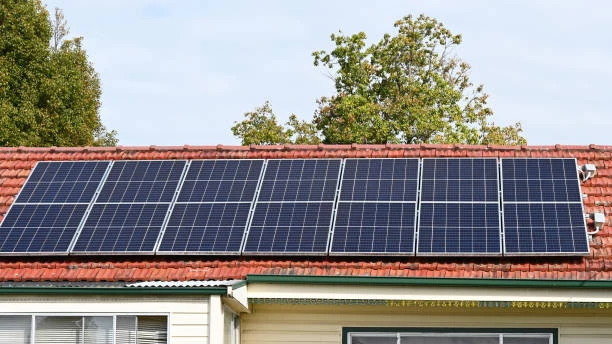
Australia's love affair with solar energy continues to intensify, and 2026 sees more Australians than ever considering larger solar installations. Among the increasingly popular options, the 13.3 kW solar system represents an intriguing sweet spot—substantial enough to power significant household electricity needs or small commercial premises, yet still accessible for residential properties. If you're exploring whether a 13.3 kW solar system suits your Australian property, this comprehensive guide covers everything you need to know.
Understanding the 13.3 kW Solar System
A 13.3 kw solar system comprises approximately 32-36 solar panels of around 370-400 watts each, paired with appropriately sized inverters and mounting hardware. The "13.3kW" refers to the system's peak capacity—the maximum power generation under ideal conditions with full sun exposure at perpendicular angles.
To understand what this means in practical terms, a 13.3 kW solar system typically generates between 50-70 kilowatt-hours daily across Australia's diverse climates, depending on location, season, and weather conditions. In sunnier regions like inland Australia, systems approach the higher end; in cloudier southern areas, they might trend toward the lower range.
This capacity places the 13.3 kW solar system firmly in the large residential to small commercial category. It's substantially more than typical 5-6kW home systems but considerably less than large commercial installations. This positioning makes it ideal for specific Australian households and businesses.
Why Choose a 13.3 kW Solar System?
Understanding when a 13.3 kW solar system makes sense helps determine whether it suits your situation. Several scenarios make this system size particularly appropriate.
Large Households with High Consumption: Families consuming 40-50 kilowatt-hours daily benefit from larger systems. Modern Australian homes with air conditioning, multiple appliances, and electric hot water can easily consume this volume. A 13.3 kW solar system covers most or all of such consumption, eliminating grid dependence.
Small Commercial Operations: Retail shops, professional offices, small manufacturing facilities, and hospitality venues often operate during daylight hours when solar generation peaks. A 13.3 kW solar system can cover substantial operational electricity needs, significantly reducing business costs.
Properties with Multiple Buildings: Larger residential properties with detached structures—granny flats, workshops, guest houses—benefit from substantial systems. A 13.3 kW solar system across multiple buildings maximises solar generation opportunity.
Future-Proofing Against Rising Consumption: Households anticipating increased electricity consumption—perhaps planning to install air conditioning, purchase electric vehicles, or add electric heating—find a 13.3 kW solar system provides long-term capacity matching projected needs.
Maximising Solar Economics: In Australia's feed-in tariff environment, larger systems generate more exportable electricity during off-peak hours, enhancing financial returns compared to smaller systems.
Generating Capacity: What to Expect
The actual electricity a 13.3 kW solar system generates varies significantly across Australia's diverse geography and climate zones. Understanding realistic expectations prevents disappointment.
Sunny Inland Regions (Alice Springs, Broken Hill, regional Queensland): These areas enjoy exceptional solar resources. A 13.3 kW solar system might generate 70-80 kilowatt-hours daily on average, with summer peaks exceeding 100 kilowatt-hours.
Major East Coast Cities (Sydney, Brisbane, Gold Coast): These regions average 55-65 kilowatt-hours daily from a 13.3 kW solar system, with seasonal variation from roughly 40 kilowatt-hours in winter to 85+ in summer.
Southern Australia (Melbourne, Adelaide): These cloudier regions see more modest generation—approximately 45-55 kilowatt-hours daily on average. Winter output might drop to 25-30 kilowatt-hours; summer peaks might reach 75.
Tasmania and Mountain Regions: These cooler, cloudier areas typically achieve 40-50 kilowatt-hours daily from a 13.3 kW solar system.
Perth and Western Australia: Western Australia's excellent solar resources deliver generation similar to Queensland—65-75 kilowatt-hours daily on average.
These figures assume optimal conditions: north-facing roofs at appropriate tilt angles without shading. Reality often differs due to roof orientation, partial shading, and dust accumulation. Professional solar assessments provide location-specific generation estimates accounting for your property's particular characteristics.
Installation Requirements and Roof Considerations
Installing a 13.3 kW solar system requires careful assessment of your property's suitability. This larger system size demands more substantial infrastructure than smaller installations.
Roof Space: A 13.3 kW solar system requires approximately 50-65 square metres of roof space. Most Australian homes have sufficient area, but terraced houses, properties with complex rooflines, or homes with significant roof-mounted equipment might face limitations. Professional installers assess available space during site surveys.
Roof Orientation: Ideal Australian installations face true north. East and west-facing roofs are suboptimal but functional, though generation efficiency drops 10-15%. South-facing installations perform poorly and aren't recommended for primary arrays.
Tilt Angle: Optimal tilt angles vary by latitude. Across most of Australia, 25-35 degrees provides excellent annual generation. Fixed installations are most common, though adjustable mounts offering seasonal optimisation exist (at considerably higher cost).
Roof Condition and Structure: Your roof must support the 13.3 kW solar system's weight—typically 400-500 kilograms total. Most Australian homes built in recent decades accommodate this easily. Older properties or those with compromised roofing require structural assessment before installation proceeds.
Roof Age: Ideally, install solar on roofs with 15+ years remaining lifespan. Installing a 13.3 kW solar system on aging roofs means eventual removal for roof replacement—expensive and disruptive. Assess roof condition beforehand and consider replacement if necessary.
Wind Load Considerations: Australia's variable weather, particularly in coastal areas and northern regions susceptible to cyclones, demands robust mounting systems. Your installer ensures mounting systems meet wind load requirements for your location.
Electrical Infrastructure and Safety
Installing a 13.3 kW solar system involves substantial electrical work requiring careful planning and qualified personnel.
Inverter Selection: Larger systems require inverters appropriately sized for 13+ kilowatts. Options include:
- Single large inverters (13-15kW capacity)
- Multiple smaller inverters (three-phase systems)
- Hybrid inverters (integrating battery storage capability)
Most Australian installers favour single large inverters for simplicity, though three-phase systems offer advantages for properties with three-phase electrical supply.
Switchboard Upgrades: Your home's switchboard must accommodate solar system integration. Many older properties require upgrades—installing appropriate circuit breakers, safety switches, and surge protection. This is essential for system functionality and safety compliance.
Electrical Certification: All work must meet Australian Standard AS/NZS 4777 and local electrical codes. Your installer employs qualified electricians ensuring compliance. Never accept installations lacking proper electrical certification.
Earthing and Grounding: Proper earthing protects against electrical faults and lightning strikes. A 13.3 kW solar system requires robust earthing meeting Australian standards.
Safety Equipment: Your system requires appropriate DC disconnect switches, AC disconnect switches, surge protection devices, and safety switches. These components aren't optional—they're mandatory for system safety and grid connection approval.
Financial Considerations and Return on Investment
Installing a 13.3 kW solar system represents substantial financial commitment. Understanding costs, incentives, and returns helps informed decision-making.
System Costs: A quality 13.3 kW solar system typically costs $18,000-28,000 before incentives, depending on component quality, installation complexity, and location. Premium systems using tier-one manufacturers cost toward the higher end; budget systems toward the lower end.
Government Incentives: Australia's Small-scale Renewable Energy Scheme (SRES) provides rebates for residential systems up to 10kW and small commercial systems up to 100kW. For a 13.3 kW solar system exceeding residential limits, rebates might apply only to a portion of the system. Current rebates typically provide $2,000-4,000 depending on location and timing.
Net Cost After Incentives: Realistically, expect $14,000-24,000 net cost after government rebates.
Annual Generation and Value: A 13.3 kW solar system generating 20,000 kilowatt-hours annually (achievable in most Australian locations) produces substantial savings. At average Australian electricity rates of 25-35 cents per kilowatt-hour, this translates to $5,000-7,000 annual value.
Payback Period: Most Australian installations achieve payback in 3-5 years. After payback, you enjoy essentially free electricity for the system's remaining 20+ year lifespan.
Long-term Returns: Over 25 years, a 13.3 kW solar system might generate $125,000-175,000 in electricity value, far exceeding initial investment.
Feed-In Tariff Revenue: Excess generation exported to the grid generates additional revenue. With feed-in tariffs currently 5-15 cents per kilowatt-hour, this provides meaningful but secondary income streams.
These figures vary substantially by location. Sunnier regions enjoy superior returns; cloudier areas see more modest economics. Professional solar assessments provide location-specific financial projections.
Choosing Quality Components for Your 13.3 kW Solar System
Component selection fundamentally impacts system performance and longevity. Investing in quality components pays dividends over decades.
Solar Panels: Premium panels from manufacturers like Canadian Solar, JA Solar, Trina, REC, and SunPower offer superior efficiency and reliability. These typically cost 10-20% more than budget alternatives but generate substantially more electricity over their lifespan. For a 13.3 kW solar system, premium panels might generate 5-10% more electricity annually than budget options—meaningful over 25 years.
Inverters: Your inverter converts DC electricity from panels into AC electricity for household use. This is arguably your system's most critical component. Quality brands like Fronius, SMA, Sungrow, and Goodwe provide superior performance, longevity, and customer support. Budget inverters often fail within 5-10 years; quality inverters last 15+ years.
Mounting Systems: Quality mounting hardware ensures panels remain secure through Australia's variable weather. Don't compromise on mounting—cheap systems degrade, potentially damaging panels or creating safety hazards.
Monitoring Equipment: Modern systems include cloud-based monitoring allowing real-time generation tracking. Quality monitoring systems alert you to problems quickly, preventing extended underperformance.
Finding Professional Installers in Australia
Installing a 13.3 kW solar system requires professional expertise. Not all installers are created equal, so thorough vetting matters.
Accreditation Verification: Installers should hold Clean Energy Council (CEC) accreditation demonstrating compliance with industry standards. Verify accreditation independently through the CEC website.
Licensing and Insurance: Installers must employ or subcontract qualified electricians with appropriate licenses. Verify current public liability insurance and workers' compensation coverage.
Experience: How many 13+ kilowatt systems have they installed? Request references from previous customers, particularly those with similar system sizes.
Quality Guarantees: Reputable installers offer 5-10 year workmanship warranties. They stand behind their installations, providing recourse if problems emerge.
Detailed Quotes: Obtain quotes from multiple installers. Professional proposals specify component brands and models, system specifications, expected generation, warranties, and timelines. Vague quotes suggest lack of professionalism.
Online Reputation: Research reviews on Google, Trustpilot, and industry directories. Look for patterns in feedback, not isolated complaints.
Installation Timeline and Process
Understanding the installation process helps prepare and sets realistic expectations.
Week 1-2: Site Assessment and Design Your installer conducts detailed survey, photographs your property, measures roof dimensions, assesses shading, and reviews electrical systems. They provide detailed design recommendations.
Week 2-3: Quotation and Contract Based on assessment, your installer provides comprehensive quote. Upon agreement, you sign contracts detailing specifications, costs, timeline, and warranty coverage.
Week 3-4: Permits and Approvals Your installer lodges council permits and grid connection applications. These typically take 2-3 weeks across Australia.
Week 4-6: Component Procurement Your installer orders components, ensuring genuine products from authorised suppliers.
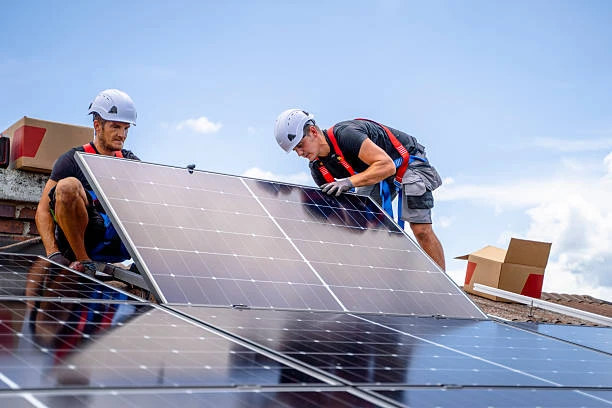
Week 6-8: Installation Physical installation typically requires 2-3 days for larger systems. Work includes roof mounting, electrical cabling, inverter installation, switchboard integration, and testing.
Week 8-10: Inspections and Certification Independent electrician conducts final safety inspections. Your installer applies for grid connection approval. Once approved, your system activates.
Maintenance and Ongoing Care
A 13.3 kW solar system requires minimal maintenance but benefits from appropriate care.
Panel Cleaning: Dust, pollen, bird droppings, and atmospheric pollution accumulate on panels. Annual or biannual professional cleaning maintains efficiency. In dusty inland regions, more frequent cleaning might be necessary.
Monitoring: Check your monitoring system regularly for generation data. Sudden performance drops indicate potential problems requiring investigation.
Inverter Servicing: Professional inverter servicing every 5-10 years maintains optimal performance and extends lifespan.
Annual Inspections: Visual inspections identify loose hardware, corrosion, or physical damage requiring attention.
Vegetation Management: Trim trees preventing shadows from developing over your arrays.
Battery Storage Integration
Many Australian homeowners installing 13.3 kW solar systems consider battery storage for even greater returns and energy independence.
Financial Enhancement: Batteries allow storing daytime generation for evening consumption, substituting expensive peak-rate grid electricity with free stored solar energy. This dramatically improves financial returns.
Energy Independence: Battery systems provide backup power during grid outages, valuable insurance against supply disruptions.
Capacity Considerations: A 13.3 kW solar system pairs well with 10-15kWh battery capacity, allowing substantial energy storage for evening consumption.
System Integration: Hybrid inverters (increasingly standard in new installations) integrate seamlessly with battery systems, optimising charge and discharge strategies automatically.
Cost Analysis: Battery systems add $5,000-15,000 to initial costs but improve returns substantially. For many households, battery integration within 2-3 years of solar installation proves economically sound.
Common Mistakes to Avoid
When installing a 13.3 kW solar system in Australia, avoid these frequent pitfalls:
Choosing installers based solely on price: Cheap installations often sacrifice quality, reducing long-term performance and value.
Ignoring roof condition: Installing on aging roofs creates future problems. Address roof issues before solar installation.
Neglecting shading assessment: Proper shading analysis prevents disappointment with underperforming systems.
Oversizing without understanding consumption: Installing larger systems than necessary wastes money if excess generation isn't utilised or valued.
Poor electrical work: Substandard electrical installation creates safety hazards and prevents grid connection.
Inadequate monitoring setup: Without proper monitoring, you won't notice performance problems early.
The Bottom Line: Is a 13.3 kW Solar System Right for You?
A 13.3 kW solar system suits Australian properties with substantial electricity consumption, significant roof space, and locations with decent solar resources. For larger households, small businesses, or properties anticipating future consumption increases, this system size often proves optimal.
The financial case is compelling across most of Australia. Payback periods of 3-5 years are achievable with quality installations, leaving decades of essentially free electricity production.
The technology is proven and mature. Modern systems are reliable, efficient, and deliver on performance promises. Australia's excellent solar resources mean most locations support excellent financial returns.
If you're considering a 13.3 kW solar system, take time to assess your property's suitability, understand realistic generation expectations for your location, obtain detailed quotes from multiple qualified installers, and evaluate component quality carefully. These steps ensure your installation delivers maximum returns and performs optimally for decades.
The combination of Australia's abundant sunshine, falling solar costs, government incentives, and rising electricity prices creates an ideal environment for solar investment. A well-designed 13.3 kW solar system installed professionally and maintained appropriately represents one of the best long-term financial and environmental investments available to Australian property owners.
Sign in to leave a comment.