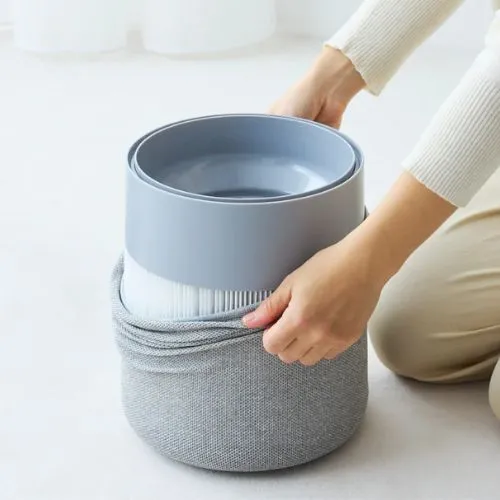

Learn how to perform air purifier filter replacement, maximize efficiency, and keep your indoor air fresh. Step-by-step tips for all purifier types.
Maintaining your air purifier is essential for ensuring clean, healthy air in your home. One of the most critical aspects of upkeep is timely air purifier filter replacement. Filters trap dust, allergens, smoke, and other pollutants, so replacing them regularly keeps your device effective and extends its lifespan. This guide provides a complete, step-by-step overview of replacing filters, choosing the right replacement, and maximizing your air purifier’s performance.
Why Regular Air Purifier Filter Replacement Matters
Air purifiers work by drawing air through a filter that captures particles like dust, pollen, pet dander, and smoke. Over time, filters become clogged and less efficient. Skipping replacements can lead to:
- Reduced air cleaning efficiency
- Increased energy consumption
- Bad odors and potential mold growth
- Shortened device lifespan
Replacing your filter on schedule ensures that your air purifier consistently removes pollutants and maintains healthy indoor air quality.
Types of Air Purifier Filters
Different purifiers use different filter types, and knowing which one you have helps ensure correct replacement. Common filters include:
- HEPA Filters: Capture 99.97% of particles down to 0.3 microns, ideal for allergens and fine dust.
- Carbon Filters: Remove odors, gases, and smoke particles.
- Pre-Filters: Capture larger particles like hair and dust to prolong main filter life.
- Electrostatic or Ionizing Filters: Use electrical charges to trap particles, sometimes combined with HEPA.
Understanding your filter type helps you plan timely air purifier filter replacement and ensures optimal air quality.
How to Check When to Replace Your Filter
Most modern air purifiers have indicators for filter status, but visual inspection can also help:
- Check the color or dust build-up: A dark, dusty filter is a clear sign it needs replacing.
- Monitor airflow: Reduced airflow can indicate a clogged filter.
- Follow manufacturer guidelines: Typically, HEPA filters last 6–12 months, while carbon or pre-filters may last 3–6 months.
Keeping track prevents overdue replacement, which can compromise the purifier’s effectiveness.
Step-by-Step Air Purifier Filter Replacement
Replacing your filter is usually simple and requires no tools:
- Turn off and unplug your purifier to ensure safety.
- Open the filter compartment according to the user manual. This may involve sliding or popping open a cover.
- Remove the old filter carefully to avoid dispersing trapped dust. Dispose of it according to your local regulations.
- Clean the compartment with a dry cloth or soft brush to remove lingering dust and debris.
- Insert the new filter in the correct orientation. Most filters have arrows indicating airflow direction.
- Close the compartment and reset any indicator lights if your purifier has a filter timer.
- Run the purifier for a few minutes to ensure it is operating normally.
Following these steps ensures your device functions efficiently and maintains high air quality.
Tips for Choosing the Right Replacement Filter
When selecting a replacement, consider the following:
- Check the model number: Ensure the filter matches your specific purifier.
- Choose genuine or certified filters: Non-certified filters may not fit properly or provide the same efficiency.
- Consider your environment: Homes with pets, smokers, or high dust levels may require more frequent replacement or heavy-duty filters.
- Bundle options: Many brands offer subscription services or multi-packs for convenience.
For high-quality replacement options, you can explore air purifier filter replacement.
Maximizing Filter Lifespan
Proper use and maintenance extend filter life:
- Run the purifier consistently: Continuous operation prevents dust accumulation in bursts.
- Vacuum or dust nearby areas regularly: Reduces the load on your filter.
- Avoid running in smoky or high-dust conditions excessively: Extreme conditions shorten filter life.
- Follow scheduled maintenance: Track replacement dates to avoid surprises.
Maximizing lifespan saves money and ensures uninterrupted clean air.
Common Mistakes to Avoid
Many users unknowingly reduce purifier efficiency by:
- Neglecting replacement schedules – clogged filters strain the motor.
- Using incorrect filters – not all models are interchangeable.
- Ignoring pre-filters – small debris can bypass main filters.
- Skipping cleaning around the unit – dust buildup outside can limit effectiveness.
Avoiding these mistakes keeps your purifier operating at peak efficiency.
DIY vs Professional Filter Replacement
Most filters are user-replaceable, but certain models may require professional service:
- User-friendly models: HEPA and carbon filters can usually be swapped out quickly.
- Advanced or large commercial units: Might need a technician to ensure proper seal and airflow.
If in doubt, consult the manufacturer’s guide before attempting replacement.
How to Know Your Filter is Working
After replacement, monitor:
- Air quality indicators on smart purifiers
- Odor and dust levels in your home
- Noise levels (a struggling motor may indicate installation issues)
A properly installed filter restores airflow and maintains the device’s rated efficiency.
Frequently Asked Questions
How often should I replace my air purifier filter?
Most HEPA filters last 6–12 months, while pre-filters or carbon filters may need replacement every 3–6 months. Check your model’s guide for specifics.
Can I clean a HEPA filter instead of replacing it?
Some pre-filters can be vacuumed, but true HEPA filters are generally not washable and should be replaced when clogged.
What happens if I delay filter replacement?
Delayed replacement reduces air cleaning efficiency, increases energy use, and can lead to unpleasant odors or mold growth.
Are generic filters safe to use?
Non-certified filters may not fit properly or perform to specifications. Using manufacturer-recommended filters ensures effectiveness and protects your device.
How do I dispose of used filters?
Used filters should be sealed in a bag and disposed of according to local waste regulations to prevent dust or allergens from spreading.
Can filter replacement improve air purifier noise?
Yes. A clogged filter strains the motor, increasing noise. Replacing the filter restores normal operation and quieter airflow.
Conclusion
Regular air purifier filter replacement is critical for maintaining clean, healthy indoor air. By understanding filter types, monitoring usage, and following proper replacement procedures, you can maximize your purifier’s efficiency and lifespan. Keeping your home environment free from dust, allergens, and odors starts with timely, proper filter maintenance. For quality filters, check air purifier filter replacement and ensure your home breathes easy every day.




















Sign in to leave a comment.