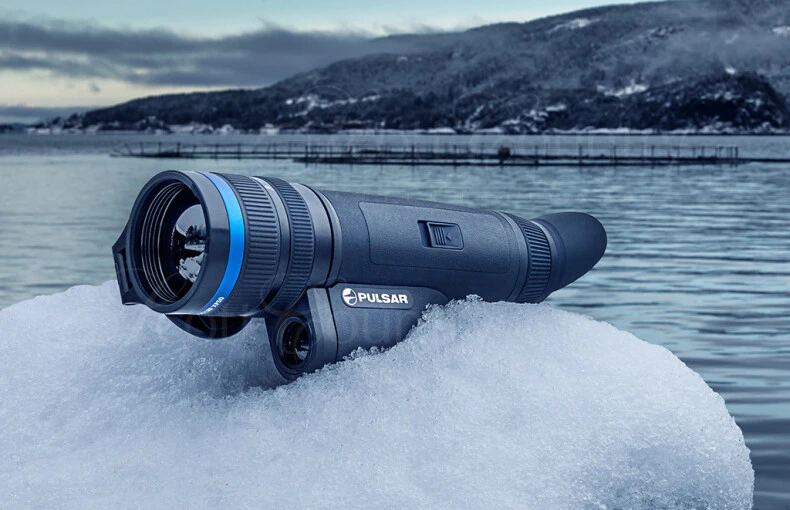

When it comes to hunting, having the right tools can make all the difference. A thermal monocular is one such tool that can greatly enhance your hunting experience, especially in low-light conditions or when tracking games. This comprehensive guide will walk you through the key factors to consider when choosing a thermal monocular for hunting.
Understanding Thermal Monoculars
Before we delve into the selection process, let's clarify what thermal monoculars are and how they work.
1. What is a Thermal Monocular?
A thermal monocular for hunting is a handheld device that detects heat signatures emitted by objects and living creatures. It translates this thermal data into a visible image, making it ideal for tracking animals and spotting potential games.2. How Thermal Imaging Works
Thermal monoculars use infrared technology to detect variations in heat. Warmer objects appear brighter, while cooler ones appear darker, creating a thermal image.Factors to Consider When Choosing a Thermal Monocular
1. Resolution
Higher resolution provides a clearer and more detailed image. Look for monoculars with at least 640x480 resolution for a crisp view.2. Detection Range
The detection range determines how far you can spot heat signatures. Choose a monocular with a range that suits your hunting environment.3. Magnification
Magnification allows you to zoom in on distant targets. Consider the level of zoom you need for your hunting style.4. Refresh Rate
A higher refresh rate ensures smoother and more fluid imagery. Look for a monocular with at least a 30Hz refresh rate.5. Size and Weight
Portability is crucial for hunters. Opt for a monocular that is lightweight and easy to carry during long treks.6. Battery Life
Battery life can vary significantly. Choose a monocular that offers sufficient operating time for your hunting trips.7. Durability
Hunting can be rugged, so look for a monocular built to withstand tough conditions, including water and shock resistance.8. User-Friendly Interface
An intuitive interface and easy-to-use controls are essential for a hassle-free hunting experience.9. Recording and Connectivity
Some monoculars offer the ability to record and share your hunting moments. Consider whether these features are important to you.Budget Considerations
1. Entry-Level Options
There are affordable thermal monoculars that provide basic functionality. These are suitable for occasional hunters.2. Mid-Range Monoculars
For more serious hunters, mid-range monoculars offer a balance of features and price.3. Premium Monoculars
High-end monoculars provide the best performance but come at a higher cost. Consider one if you're a dedicated hunter.User Reviews
Reading user reviews and testimonials can provide valuable insights into the real-world performance of thermal monoculars.
Legal Considerations
It's essential to check your local laws and regulations regarding the use of thermal monoculars for hunting. Some regions have restrictions or specific requirements.
Conclusion
Selecting the right thermal monocular for hunting is a decision that should be based on your specific needs and preferences. By considering factors like resolution, detection range, magnification, and durability, you can find the perfect thermal monocular to enhance your hunting adventures.
Gear up for your next adventure with the dependable Tacklife Battery Charger, now available at Best Go Bag. Don't miss out on reliable power when you need it the most!










Sign in to leave a comment.