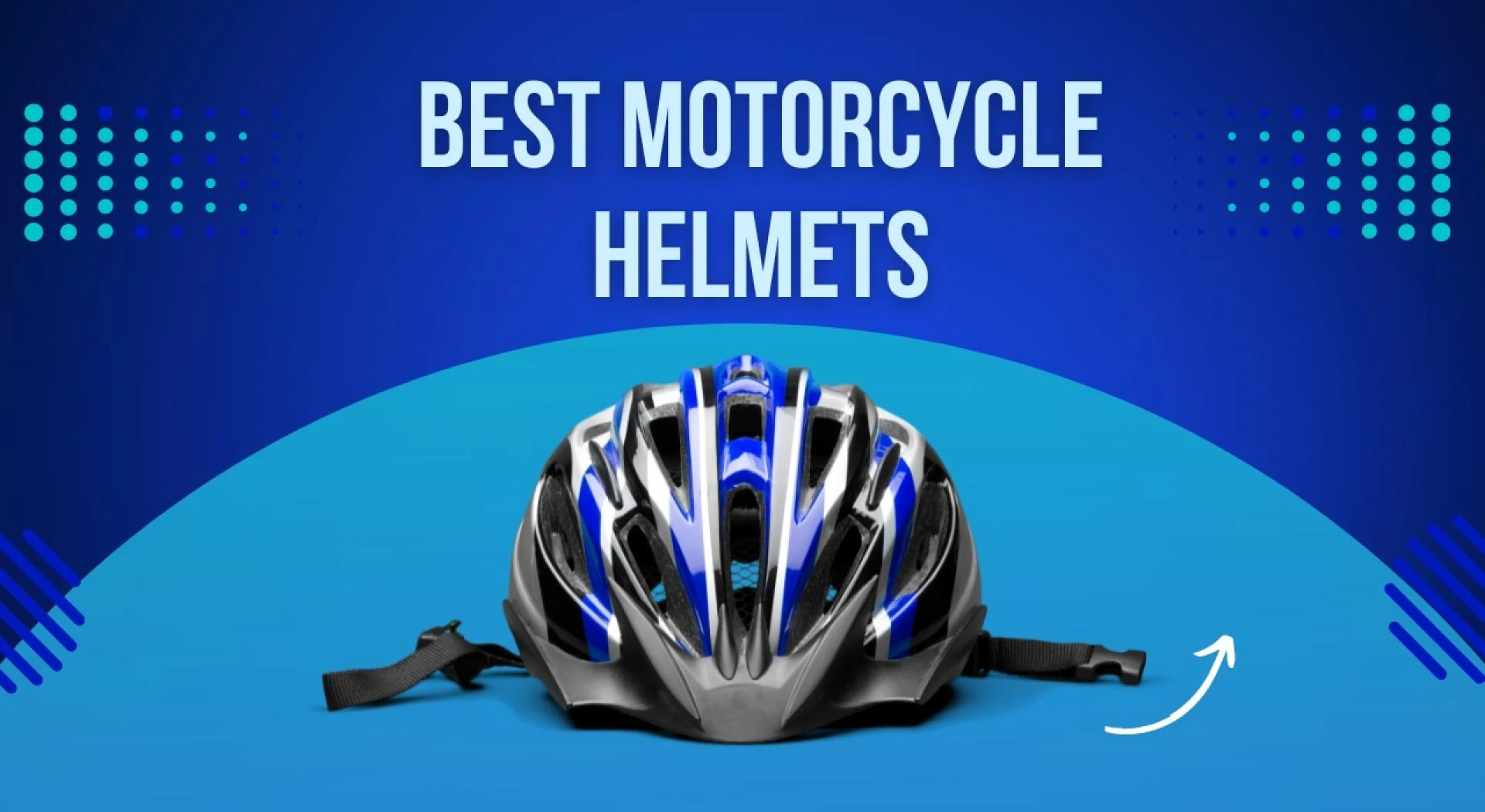

Are you planning your next motorcycle adventure and wondering what kind of helmet to wear? Look no further! We've got all the information you need in this ultimate guide to choosing the best touring motorcycle helmet. From safety features to comfort, we'll help you find the perfect fit for your needs so that you can focus on enjoying the ride ahead. So buckle up (or should we say, strap on) and let's dive into everything you need to know about selecting the right touring helmet for your next journey!
Introduction to Motorcycle Touring Helmets
When it comes to motorcycle touring, helmets are one of the most important pieces of gear you can have. Not only do they protect your head in the event of an accident, but they also help reduce wind noise and keep you comfortable on long rides.
There are a few different types of motorcycle touring helmets to choose from, so it's important to pick one that best suits your riding style and needs. Here's a quick overview of the different types of touring helmets available:
Full-face Helmets: Full-face helmets offer the most protection for your head, as they enclose your entire head and face. They're great for riders who want maximum protection, but they can be hot and claustrophobic in warm weather.
Modular Helmets: Modular helmets offer the same level of protection as full-face helmets, but with the added convenience of being able to flip up the chin bar when you need a break from the helmet. They're perfect for riders who want the best of both worlds.
Open-face Helmets: Open-face helmets don't cover your face, so they're much cooler in warm weather. However, they offer less protection for your head in the event of an accident. They're a good option for riders who want maximum visibility and ventilation while still being protected.
Types of Touring Helmets and Their Features
There are many different types of touring helmets on the market, and each one has its own set of features that make it unique. Here is a breakdown of some of the most popular types of touring helmets, and their key features:
Full-face Helmets: Full-face helmets offer the most protection for your head, as they cover your entire face. They are ideal for riders who are looking for maximum safety on their rides. Some full-face helmets even have integrated communications systems, so you can stay connected with your riding buddies while on the road.
Modular Helmets: Modular helmets offer the best of both worlds – they have a full-face design, but the front portion of the helmet can be lifted up, so you can enjoy the wind in your face when you want to. These helmets are perfect for riders who want a little bit more flexibility and options while on their rides.
Half-helmets: As the name suggests, half-helmets only cover half of your head, leaving your face exposed to the elements. While they don’t offer as much protection as full-face or modular helmets, they are much lighter and cooler to wear in hot weather conditions. Half-helmets are a good choice for riders who are looking for a more comfortable option during long rides in warm weather.
Safety Standards for Motorcycle Helmets
When choosing a motorcycle helmet, safety should be your first priority. All helmets must meet certain safety standards in order to be sold legally, but some helmets are safer than others. Look for a helmet that has been certified by the DOT (Department of Transportation) or the Snell Memorial Foundation. These organizations test helmets to ensure they meet strict safety standards.
When it comes to safety, fit is also important. Make sure the helmet you choose fits snugly and securely on your head. It should not be too loose or too tight. The best way to find a comfortable and safe fit is to try on several different helmets before making your purchase.
In addition to safety and fit, consider other features when choosing a motorcycle helmet, such as ventilation, visor options, and noise levels. A well-ventilated helmet will help keep you cool and comfortable on long rides, while a visor can protect your eyes from the sun and debris. If you're concerned about noise level, look for a helmet with ear plugs or other sound-reducing features.
With so many different factors to consider, choosing the right motorcycle helmet can seem daunting. But if you keep safety as your top priority, you'll be sure to find a helmet that will keep you protected on all your adventures.
Benefits of Wearing a Motorcycle Helmet on a Tour
When it comes to motorcycle helmets, there is no one-size-fits-all solution. However, if you are planning a long distance tour on your motorcycle, it is important to choose a helmet that is specifically designed for touring. In this article, we will discuss the benefits of wearing a motorcycle helmet on a tour.
A motorcycle helmet can protect you from serious injury in the event of an accident. A properly fitting helmet will also help to reduce wind noise and fatigue while riding. Additionally, a good quality touring helmet will have features that make it more comfortable to wear for long periods of time, such as ventilation and anti-fog visors.
Wearing a motorcycle helmet on a tour can help you stay safe and comfortable while enjoying the open road. Be sure to choose a helmet that fits well and is comfortable to wear for extended periods of time.
Common Mistakes When Choosing a Helmet
One common mistake when choosing a helmet is not taking the time to try on different models and sizes. It's important to find a helmet that fits snugly and is comfortable to wear for long periods of time. Another mistake is assuming that all helmets offer the same level of protection. Be sure to do your research and choose a helmet that meets or exceeds safety standards for your particular activity.
Recommended Brands of Touring Helmets
There are a few recommended brands of touring helmets that will give you the best bang for your buck. Arai, Bell, and Shoei are all great choices when it comes to helmets for touring. They offer a variety of features that are perfect for long rides, such as venting to keep you cool, an aerodynamic design to reduce wind noise, and a comfortable fit.
Conclusion
Choosing the right touring helmet for your next adventure is essential to staying safe and having an enjoyable experience. With so many styles, sizes, and features available on the market today, it can be overwhelming trying to choose the best one for you. We hope that this guide helped you understand what makes a great touring helmet so that you can make an informed decision when selecting yours. Good luck on your next journey!










Sign in to leave a comment.