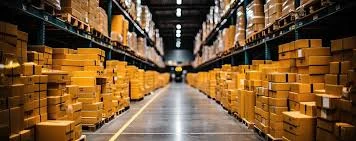

In today’s fast-paced business world, efficient distribution and warehousing are essential for companies to stay competitive. Whether you're a small business owner or managing a large supply chain, understanding the fundamentals of distribution and warehousing can help streamline operations and reduce costs. In this blog, we’ll dive into what distribution and warehousing entail, their importance, and how businesses can optimize these processes.
What is Distribution & Warehousing?
Distribution
Distribution refers to the process of managing and delivering goods from manufacturers to consumers. It encompasses various stages, including transportation, logistics, inventory management, and order fulfillment. An effective distribution system ensures that products reach their destination on time and in optimal condition.
Warehousing
Warehousing involves the storage of goods before they are distributed. It includes the management of inventory, storage facilities, and technology to keep track of stock levels. Warehousing plays a crucial role in ensuring a smooth supply chain by providing a buffer between production and final delivery.
Importance of Distribution & Warehousing
1. Enhancing Supply Chain Efficiency
Proper distribution and warehousing ensure that goods move smoothly from suppliers to customers, reducing delays and enhancing customer satisfaction.
2. Cost Reduction
Efficient warehousing and distribution help minimize transportation costs, optimize inventory levels, and prevent overstocking or stockouts.
3. Improved Customer Service
Faster and more reliable order fulfillment leads to higher customer satisfaction and brand loyalty.
4. Risk Management
Warehousing provides a secure location to store inventory, protecting goods from theft, damage, or unexpected disruptions.
How to Optimize Distribution & Warehousing
1. Implement Technology & Automation
Using warehouse management systems (WMS), automation, and artificial intelligence (AI) can improve accuracy and efficiency in managing inventory and processing orders.
2. Choose the Right Warehouse Location
Selecting a strategic warehouse location close to major markets can reduce transportation costs and improve delivery times.
3. Improve Inventory Management
Adopting just-in-time (JIT) inventory practices and utilizing data analytics can help in maintaining optimal stock levels and reducing waste.
4. Partner with Reliable Logistics Providers
Working with trusted logistics partners ensures seamless distribution and timely deliveries.
5. Focus on Sustainability
Eco-friendly warehousing solutions such as energy-efficient lighting, packaging waste reduction, and green transportation methods can help businesses meet sustainability goals.
Conclusion
Distribution and warehousing are critical components of a successful supply chain. By implementing best practices, leveraging technology, and optimizing processes, businesses can enhance efficiency, reduce costs, and improve customer satisfaction. Whether you're looking to streamline your supply chain or expand operations, focusing on effective distribution and warehousing strategies will help you stay ahead in today’s competitive market.





























Sign in to leave a comment.