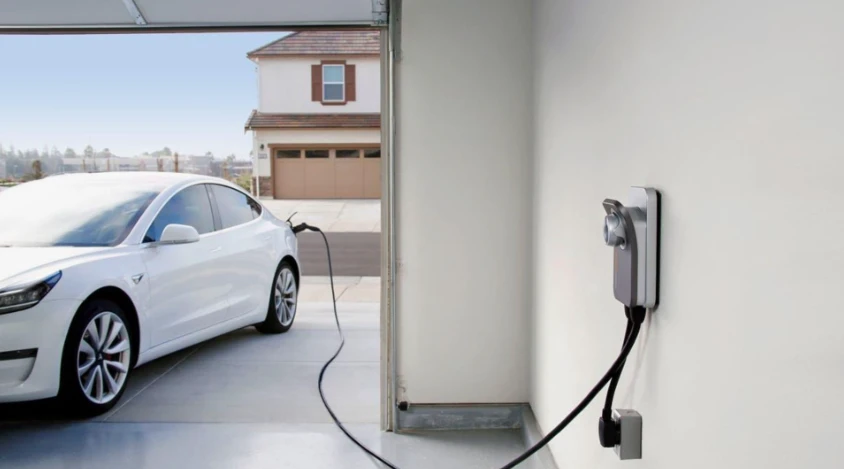

Electric vehicles (EVs) are becoming more popular every year, and with good reason—they’re better for the environment, quieter to drive, and often cheaper to maintain. But one important question new EV owners face is: how do I charge my vehicle at home? That’s where EV charger installation comes in.
In this guide, we’ll walk you through everything you need to know about installing an EV charger at home. Whether you’re a first-time EV owner or just looking to upgrade your current setup, this article will help you understand your options, the costs involved, and how to get started.
What is an EV Charger?
An EV charger is a device that supplies electricity to your electric vehicle's battery. It’s similar to charging your phone but on a much larger scale. There are different levels of chargers, ranging from slow, overnight charging to faster, more powerful options that can charge your car in just a few hours.
The most common home EV chargers are Level 1 and Level 2. Level 1 chargers plug into a standard 120-volt outlet and are the slowest. Level 2 chargers require a 240-volt outlet and offer much faster charging times—usually the best option for daily use.
Why Should You Install an EV Charger at Home?
Having a charger at home is all about convenience. Instead of searching for public charging stations or waiting in line, you can simply plug in your vehicle overnight and wake up to a full battery every morning.
Home EV charger installation also gives you more control over your charging schedule. Some chargers even come with smart features that allow you to monitor energy usage or set timers to charge when electricity rates are lower. Over time, this can save you money on your energy bills.
How Much Does EV Charger Installation Cost?
The cost of EV charger installation depends on a few factors. The charger itself can range from $300 to $1,000 or more, depending on the brand and features. Installation by a licensed electrician typically adds another $500 to $2,000, especially if upgrades are needed for your electrical panel.
Here’s a quick breakdown of possible costs:
- Basic charger unit: $300–$700
- Smart charger unit: $800–$1,200
- Installation: $500–$2,000
- Panel upgrade (if needed): $1,000+
Many utility companies and local governments offer rebates or incentives, which can significantly reduce your out-of-pocket costs. Be sure to check for local programs in your area.
Choosing the Right EV Charger for Your Home
Not all EV chargers are the same. Before purchasing one, consider the following:
- Charging speed: How fast do you want to charge your car? A Level 2 charger is ideal for most drivers.
- Vehicle compatibility: Make sure the charger is compatible with your EV model.
- Smart features: Some chargers connect to apps, Wi-Fi, or even voice assistants to offer more control.
- Installation location: Will it be installed indoors or outdoors? Choose a weatherproof charger if it’s going outside.
Consulting with a professional before your EV charger installation can help ensure you choose the right model and placement for your needs.
Hiring a Professional Installer vs DIY
While some handy homeowners consider installing an EV charger themselves, hiring a professional is usually the safer choice. Electrical work can be dangerous if done incorrectly, and mistakes can be costly.
A licensed electrician will:
- Ensure your home can handle the additional electrical load
- Obtain any required permits
- Install the charger to meet local building codes
- Test the unit for safe operation
Professional EV charger installation may also be required if you want to qualify for certain warranties or rebates, so it's often worth the investment.
Common Installation Steps
Curious about what the installation process looks like? Here’s a general overview:
- Site evaluation – The electrician will assess your home’s electrical system and the best location for the charger.
- Panel check – They’ll check if your electrical panel can support the charger or if it needs upgrading.
- Wiring and mounting – The charger is mounted on the wall and connected to power.
- Testing and setup – The electrician will test everything and show you how to use your new charger.
This process usually takes a few hours to one full day, depending on your home’s setup.
Benefits of Installing Your Own EV Charger
Aside from convenience, installing your own EV charger comes with other long-term advantages:
- Saves time: No more trips to public stations.
- Saves money: Charging at home is often cheaper.
- Increases home value: Some buyers see EV chargers as a bonus.
- Better energy management: Use smart charging features to track and reduce electricity usage.
Investing in EV charger installation helps make your home more future-ready, especially as more people make the switch to electric vehicles.
FAQs
1. Can I plug my EV into a regular outlet?
Yes, but only for Level 1 charging. It’s very slow and may not be ideal for daily use, especially if you drive a lot.
2. Do I need a permit for EV charger installation?
In many areas, yes. Your electrician will usually take care of this during the process.
3. How long does installation take?
Most installations are completed in one day. If upgrades are needed, it might take longer.
4. Is a smart charger worth it?
Smart chargers allow better control, scheduling, and energy monitoring. If you like tech or want to save money long-term, they’re often worth it.
5. Can I install a charger outside?
Yes, but make sure it’s weather-resistant and rated for outdoor use.
Final Thoughts
EVs are the future of driving, and having your own charging station at home makes ownership much easier. Whether you're new to electric vehicles or upgrading your setup, understanding the process of EV charger installation is the first step.
By hiring a qualified installer and choosing the right equipment, you can enjoy faster, safer, and more efficient charging every day. Don’t forget to check for rebates and talk to your utility company for possible savings!










Sign in to leave a comment.