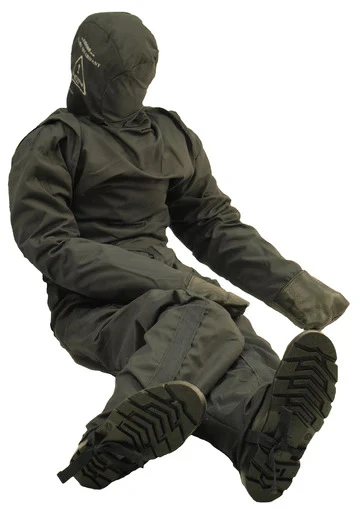

In the realm of public safety, there are few roles as vital as that of a firefighter. These brave men and women put their lives on the line to protect people and property from the ravages of fire. Rigorous training is imperative to ensure their preparedness for the challenges they might face. This is where the indispensable tools known as fire house manikins come into play. Firefighter training has evolved significantly over the years, and integrating these dummies has revolutionized how firefighters learn and practice their life-saving skills.
Why Fire House Manikins are Essential for Realistic and Effective Training
The authenticity of firefighter training scenarios is of paramount importance. Fire house manikins, also called training dummies, provide an invaluable bridge between theoretical knowledge and practical application. These meticulously designed dummies closely mimic human anatomy, allowing firefighters to simulate real-life rescue operations, hazardous material incidents, and medical emergencies.
From fire simulation dummies that withstand intense heat to CPR training dummies that accurately replicate the nuances of chest compressions, these manikins offer a dynamic range of functionalities. Each dummy serves as a surrogate victim, enabling firefighters to develop critical skills without compromising the safety of actual individuals. Firefighter mannequins create a controlled environment where trainees can hone their techniques under realistic conditions.
The Different Types of Fire House Manikins and Their Features
Fire house manikins come in various types, each tailored to specific training needs. The versatility of these dummies ensures that every aspect of firefighting can be adequately addressed. There are rescue mannequin types designed for water rescue simulations, advanced fire training props replicating hazardous materials incidents, and even smoke-filled environment dummies to prepare firefighters for low-visibility scenarios.
These manikins are more than just lifeless models. They incorporate features such as adjustable joints, anatomically correct airways for intubation practice, and even sensors that provide real-time feedback on compression depth and rate during CPR training. The diversity of these manikins is a testament to their importance in comprehensive firefighter training.
How to Choose the Right Fire House Manikin for Your Training Needs
Selecting the ideal manikin requires careful consideration of various factors. Budget, training objectives, and the specific skills to be developed all play a pivotal role in this decision-making process. Budget-friendly options ensure that even departments with limited resources can access effective training tools.
When choosing a training dummy, departments should weigh the benefits of features like durability, realism, and compatibility with evolving training techniques. Investing in manikins that align with the training curriculum and adequately prepare firefighters for real-world scenarios is important.
Tips and Techniques for Effective Use of Fire House Manikins in Training Scenarios
Effectively utilizing manikins is as essential as their selection. Training techniques that integrate these dummies into realistic scenarios are paramount. Whether it's simulating a high-rise building evacuation, a hazardous materials incident, or a vehicle extrication, incorporating mannequins elevates the authenticity of the training.
Realistic scenarios using mannequins in firefighter drills enhance decision-making, teamwork, and the application of specialized skills. Proper handling and maintenance of these dummies are crucial for their longevity. Regular checks and maintenance ensure that the manikins function optimally, providing accurate feedback and a lifelike experience to trainees.
The Future of Firefighter Training: Advancements in Fire House Manikin Technology
As technology continues to advance, so too does the realm of firefighter training. Innovations in fire training dummy technology are paving the way for more immersive and effective training experiences. Virtual reality integration with firefighter simulations allows trainees to enter dynamic training environments, replicating real-world scenarios with incredible precision.
Moreover, AI-powered interactive mannequins are emerging as an exciting development. These manikins can mimic human responses, providing trainees real-time feedback and adapting their behaviour based on trainee actions. This cutting-edge technology enhances the overall training process, ensuring that firefighters are prepared for the complexities of their profession.
Conclusion:
In the dynamic and high-stakes world of firefighting, training is not just a formality—it's a lifeline. Fire house manikins have become indispensable tools for bridging the gap between theoretical knowledge and practical application. These training dummies have revolutionized how firefighters prepare for challenges, offering realistic and effective training experiences.
From water rescues to hazardous materials incidents, fire training mannequins cover a spectrum of scenarios, ensuring that firefighters are equipped to handle any situation. Choosing the right manikin involves careful consideration of training objectives and budget constraints. By incorporating these manikins into realistic scenarios and embracing technological advancements, fire departments can elevate their training programs to new heights.










Sign in to leave a comment.