
Introduction:
Laser skin resurfacing has revolutionized the field of dermatology, offering advanced techniques to address a wide range of skin concerns. This comprehensive guide delves into the intricacies of Laser Skin Resurfacing in Riyadh, covering everything from its benefits to considerations, costs, and maintenance.
Understanding Laser Skin Resurfacing:
What is Laser Skin Resurfacing?
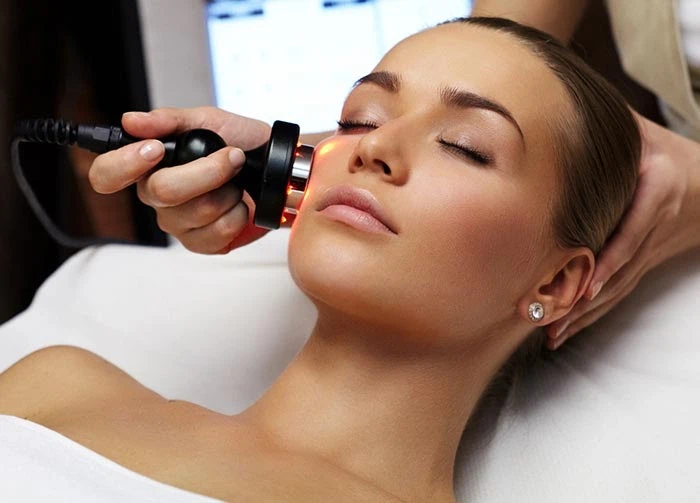
Laser skin resurfacing is a cosmetic procedure that uses laser technology to improve skin texture, reduce wrinkles, and address various skin imperfections.
How does it work?
Laser energy is used to target specific areas of the skin, stimulating collagen production and promoting skin regeneration.
Types of Laser Skin Resurfacing:
Fractional Laser Resurfacing vs. Ablative Laser Resurfacing:
Fractional laser resurfacing targets small areas of skin, leaving surrounding areas intact for faster recovery. Ablative laser resurfacing removes thin layers of skin to address deeper skin concerns.
Benefits of Laser Skin Resurfacing:
Laser skin resurfacing offers numerous benefits, including:
- Enhancing skin texture and tone
- Reducing the appearance of wrinkles and fine lines
- Addressing sun damage and age spots
Risks and Considerations:
While generally safe, laser skin resurfacing carries some risks such as:
- Redness and swelling
- Changes in skin pigmentation
- Infection and scarring
It\'s essential to consult with a qualified dermatologist to assess suitability and minimize risks.
Preparing for Treatment:
Before undergoing laser skin resurfacing, it\'s crucial to:
- Follow pre-treatment skincare guidelines
- Schedule a consultation with a dermatologist to discuss expectations and concerns
During the Procedure:
During a laser skin resurfacing session, patients can expect:
- Application of a numbing cream or anesthesia
- Targeted laser treatment on specific areas of concern
- Mild discomfort or sensation of heat during the procedure
Aftercare and Recovery:
Post-treatment care is vital for optimal results and includes:
- Following a prescribed skincare routine
- Avoiding sun exposure and harsh skincare products
- Monitoring skin for any signs of infection or complications
Results and Maintenance:
The results of laser skin resurfacing can last for several months to years, depending on the type of treatment and individual skin factors. Maintenance treatments may be recommended to sustain results.
Costs and Affordability:
The cost of laser skin resurfacing varies based on factors such as:
- Type of laser treatment
- Extent of the treatment area
- Geographic location and clinic reputation
On average, laser skin resurfacing can range from $500 to $5000 per session.
FAQs :
Is laser skin resurfacing safe?
Laser skin resurfacing is generally safe when performed by a qualified dermatologist. However, like any medical procedure, it carries some risks that should be discussed during the consultation.
How many sessions are needed for optimal results?
The number of sessions required depends on the individual\'s skin condition and treatment goals. Your dermatologist will recommend a personalized treatment plan.
What is the recovery time after laser skin resurfacing?
Recovery time can vary but typically ranges from a few days to a couple of weeks. It\'s essential to follow post-treatment care instructions for faster healing.
Can laser skin resurfacing treat acne scars?
Yes, laser skin resurfacing is effective in reducing the appearance of acne scars by promoting collagen production and skin regeneration.
Are there any long-term side effects of laser skin resurfacing?
While rare, long-term side effects such as changes in skin pigmentation or scarring can occur. These risks are minimized with proper pre-treatment assessment and post-care.
Is laser skin resurfacing suitable for all skin types?
Laser skin resurfacing can be tailored to different skin types, but individuals with darker skin tones may require specific laser technologies to minimize the risk of pigmentation changes.
Conclusion!
In conclusion, laser skin resurfacing is a versatile and effective procedure for improving skin texture, reducing wrinkles, and addressing various skin concerns. Consulting with a qualified dermatologist is key to achieving optimal results and ensuring a safe and successful treatment experience.
Visit us: Royal Clinic Riyadh, Saudi Arabia











Sign in to leave a comment.