

If you have ever wondered why some cups of tea taste flat while others taste rich and alive, the answer often comes down to what is actually inside the cup. Whole-leaf tea gives you access to full, unbroken leaves that hold onto their natural oils, aroma compounds, and flavor for much longer than the crushed dust found in most tea bags. Teachers, singers, podcasters, and anyone who talks for a living tend to notice this difference first, since a better brew often means a smoother, more soothing sip between rehearsals or lessons. In this guide, we will walk through what loose leaf tea actually is, why it tends to taste and feel better, and how to choose, brew, and store it like a professional. By the end, you will know exactly what to look for the next time you shop for tea.

What Is Loose Leaf Tea, Exactly?
This style of tea refers to whole or lightly broken leaves that are sold without a paper bag or sachet enclosing them. Because the leaves stay largely intact, they retain more of their essential oils and natural compounds compared to the fine particles used in most commercial tea bags. This matters for flavor and aroma, since those oils are exactly what give a cup its depth, sweetness, and lingering finish. Think of it the way a home cook thinks of whole spices versus pre-ground powder, where the whole version simply keeps more of its character intact.
How Loose-Leaf and Bagged Tea Actually Differ
Bagged tea is typically made from the leftover fannings and dust created during processing, which brew quickly but fade fast. Whole leaves, by contrast, need more room to expand and unfurl, which is why they are almost always steeped loose in a pot or infuser. A simple classroom demonstration makes this obvious: drop a whole leaf and a tea bag into two glasses of hot water and watch how differently they behave.
Why Whole-Leaf Tea Delivers Better Flavor
Flavor in tea comes largely from aromatic compounds and natural plant oils that sit on the surface of the leaf. When leaves are crushed into tiny fragments for tea bags, more of that surface area is exposed to air, so the oils oxidize and fade before the tea ever reaches your cup. Whole leaves protect that surface area, which is why a fresh, properly stored batch can taste noticeably brighter and more complex. It is a small production choice with an outsized effect on the final sip.
The Role of Leaf Grade and Leaf Size
Tea producers grade leaves by size, wholeness, and how they were harvested, and higher grades generally mean fewer broken pieces. A whole, unbroken leaf unfurls slowly during steeping, releasing its flavor over several minutes rather than all at once. Students learning about tea quality often find it easiest to remember this rule: the bigger and more intact the leaf, the more control you have over the final taste.
The Wellness Benefits of Drinking Whole-Leaf Tea
Tea leaves naturally contain antioxidant compounds called polyphenols, which many nutrition researchers associate with everyday wellness support. Drinking a warm cup also adds to your daily fluid intake, which plays a supporting role in keeping the throat and vocal folds comfortably hydrated. For people who rely on their voice professionally, a warm, well-brewed cup can feel like a small daily ritual of self-care between demanding tasks. None of this replaces medical advice, but it does explain why so many people build tea into their daily routine.
A Real Example: How Voice Professionals Use Tea Daily
A high school choir teacher we spoke with keeps a thermos of freshly steeped tea on her desk during every rehearsal block. She describes reaching for her voice tea ritual between classes as a way to reset her throat before the next group walks in. Many singers, podcasters, and public speakers describe a similar habit, treating their tea break as part of their daily vocal warm-up routine.

How to Brew a Proper Cup of Whole-Leaf Tea
Brewing whole leaves well is less about following a rigid recipe and more about understanding a few core variables. Water temperature, steeping time, and the ratio of leaves to water all interact to shape the final taste. Get any one of them noticeably wrong and the cup can turn bitter, weak, or flat, even with high-quality leaves. The good news is that once you learn the basics, brewing becomes second nature.
Here is a simple starting framework most home brewers can follow:
- Use freshly boiled or near-boiling water, adjusting slightly cooler for more delicate leaves.
- Start with about one teaspoon of leaves per cup and adjust to taste over time.
- Steep for the time recommended on your specific tea, usually somewhere between three and twelve minutes.
- Remove the leaves or infuser once steeping is done to prevent the cup from turning bitter.
- Taste as you go and treat these numbers as a starting point, not a strict rule.
Common Brewing Mistakes That Ruin the Cup
The most frequent mistake is leaving the leaves in the water long after steeping should have ended. Another common error is reusing water that has gone lukewarm, which prevents the leaves from releasing their full flavor. A third mistake, oversteeping strong blends out of habit, tends to mask the very complexity that made the tea worth buying in the first place.
How to Choose Tea Leaves That Actually Suit You
Choosing well starts with being honest about how you actually drink tea, whether that is a quick morning cup or a slow evening wind-down. Reading the ingredient list matters more than the marketing on the front of the package, since it tells you exactly what you are steeping. Shoppers searching for the best loose leaf tea often overlook freshness dates, even though a recent harvest date is one of the strongest signals of quality. Price can be a clue too, but it is far from the only one worth trusting.
What to Look for When Shopping Online
When you shop from home, you lose the ability to smell or see the leaves before buying, so photos and descriptions carry more weight. Look for sellers who show the actual loose leaves rather than only styled packaging shots, and who list harvest or roast dates clearly. Many shoppers now search for the best loose leaf tea online specifically because reviews and transparency matter more when you cannot inspect the product in person first.
Storing Your Tea Leaves to Preserve Freshness
Tea leaves are surprisingly sensitive to their environment, reacting quickly to light, air, heat, and moisture. An airtight container kept in a cool, dark cupboard will preserve flavor far longer than a clear jar left near a sunny window. Most whole-leaf tea stays at its best for around six to twelve months when stored properly, though it rarely goes truly bad. Treating storage as part of the brewing process, not an afterthought, is one of the simplest ways to protect your investment.
A few habits make a noticeable difference over time:
- Keep tea away from direct sunlight and heat sources like stoves or ovens.
- Store it in an airtight, opaque container rather than the original bag once opened.
- Avoid storing tea near strong-smelling foods or spices, since leaves absorb odors easily.
- Buy smaller amounts more often instead of one large bag that sits open for months.
Signs Your Tea Has Gone Stale
Stale tea usually smells faint or flat instead of vibrant and fragrant when you open the container. The brewed color may also look duller than usual, even when you follow your normal steeping routine. If the cup tastes noticeably thin or papery compared to what you remember, it is a good sign the batch has simply run past its best window.
Finding Quality Options Among the Many Blends Available
Not every blend on the shelf is created with the same care, and comparing options is part of becoming a confident tea drinker. When comparing different products, look for real, visible leaf pieces rather than fine powder or dust at the bottom of the bag. Reading independent reviews can help you separate the best loose leaf teas from lower-quality blends padded with fillers. A quick look at ingredient lists and harvest dates tells you most of what you need to know before buying.
Why Some Blends Outperform Others
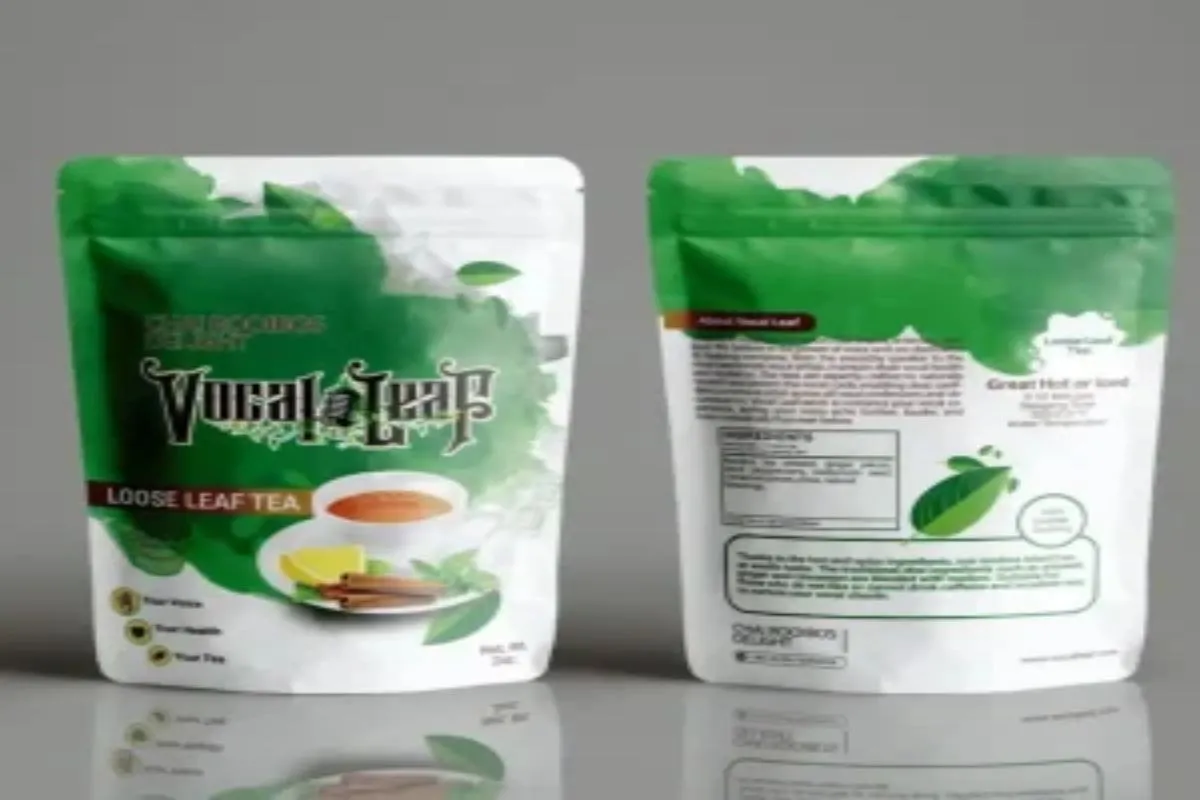
Blends that use whole, carefully sourced leaves tend to hold their aroma and flavor longer than mass-produced alternatives. Sourcing transparency, meaning a brand that is upfront about where and how the leaves are grown, is often a reliable quality signal. Vocal Leaf's own blends, including Lemon Berry Dream, our Organic Loose Leaf Black Tea, Chai Rooibos Delight, and Vanilla Bliss, were all built around this same whole-leaf philosophy.
Everyday Tea Rituals for Speakers, Teachers, and Performers
Anyone who uses their voice for a living quickly learns that small daily habits add up over a long week of talking. A warm cup between classes, rehearsals, or recording sessions offers a short pause that both the body and the voice tend to appreciate. Many performers build their own version of a voice tea ritual, choosing a blend they trust and steeping it the same way before every session. Over time, that consistency becomes part of their pre-performance routine, almost like a warm-up exercise.
A Day in the Life of a Tea-Drinking Performer
A community theater actor we interviewed described her morning routine before matinee performances in simple terms. She wakes early, steeps a full pot of loose tea, and sips it slowly while reviewing her lines at the kitchen table. By the time she leaves for the theater, she says her throat feels warmed up in a way that coffee never quite managed.
Final Thoughts on Choosing Whole-Leaf Tea
Whole-leaf tea rewards a little patience with noticeably better flavor, aroma, and everyday enjoyment compared to standard tea bags. Once you understand grading, brewing, and storage, choosing the best loose leaf tea for your routine becomes far less overwhelming. If you are ready to compare real options, you can browse our full tea collection and see the difference whole leaves make for yourself, whether you are searching for the best loose leaf tea online or simply curious where to start.

Frequently Asked Questions
What does "whole-leaf" mean on a tea package?
It means the tea was made from full or lightly broken leaves rather than the fine dust and fannings typically used in standard tea bags, giving the finished cup more depth and a longer-lasting aroma.
How long should whole tea leaves be steeped?
Steeping times vary by blend, but most fall somewhere between three and twelve minutes, with black blends generally on the longer end and more delicate leaves needing a shorter, gentler steep.
Can whole tea leaves be reused for a second cup?
Yes, many whole leaves can be steeped a second time, often revealing a slightly softer, milder flavor than the first cup, which many drinkers actually prefer for a relaxed afternoon session.
Does fresher always mean better when comparing quality blends?
Generally yes, since fresher batches usually earn a spot among the best loose leaf teas because they retain more of their natural oils and aroma before it fades.
Is whole-leaf tea more expensive than bagged tea?
It can cost more per package upfront, but because whole leaves are often reused and steeped longer, the actual cost per cup is frequently comparable or even lower over time.
How should tea leaves be stored once the package is opened?
Keep them in an airtight, opaque container away from light, heat, and moisture to preserve flavor for as long as possible, and try to use up each batch within a reasonable window rather than letting it sit indefinitely.





























Sign in to leave a comment.