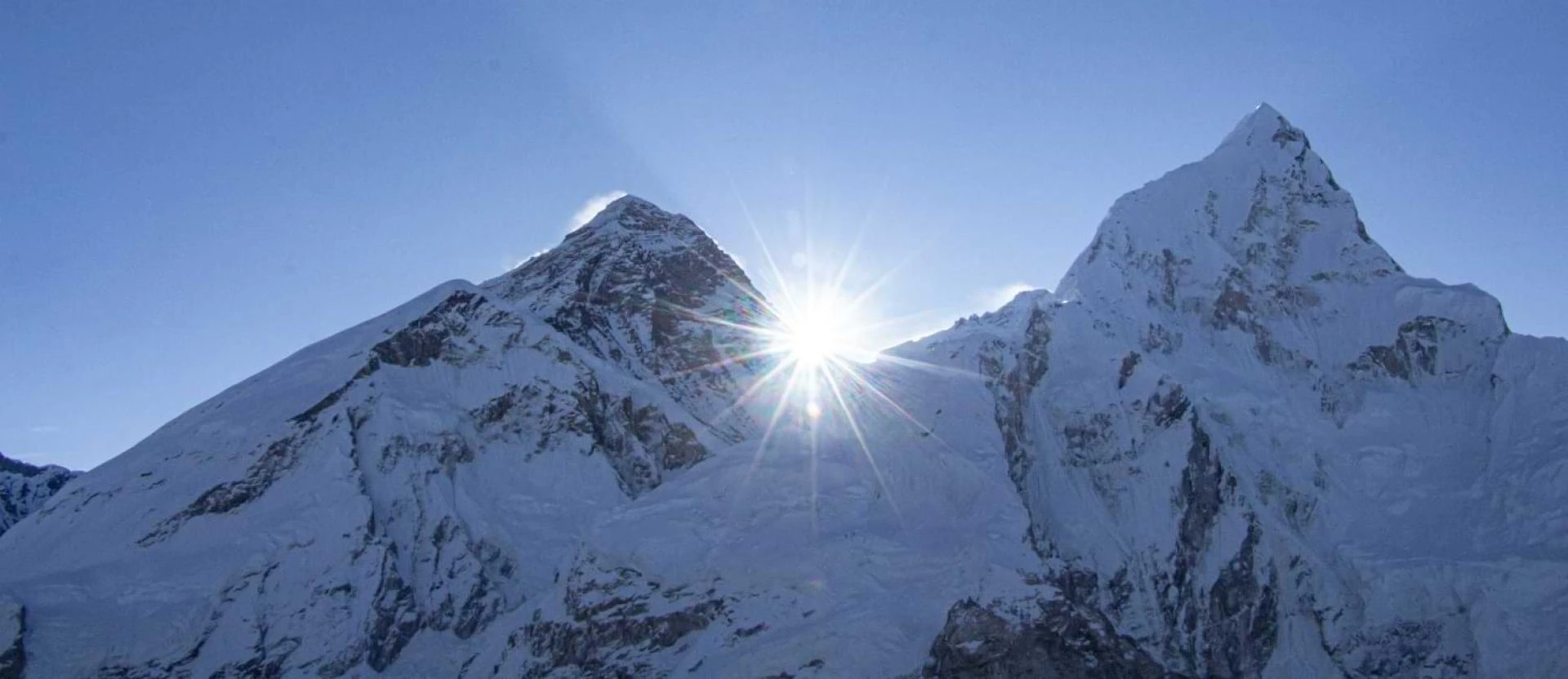

Embarking on a Mount Everest scenic flight is a once-in-a-lifetime experience that offers a unique perspective on the world's tallest peak and the breathtaking Himalayan landscape. In this comprehensive guide, we delve into the allure of Everest scenic flights, exploring their history, logistics, highlights, and the unforgettable moments that await passengers on this extraordinary aerial adventure.
Unveiling the Majesty of Mount Everest:
Mount Everest, standing at a staggering height of 8,848 meters (29,029 feet), is the crown jewel of the Himalayas and a symbol of human ambition and resilience. For centuries, adventurers and mountaineers have been drawn to its towering summit, seeking to conquer its challenges and bask in its awe-inspiring beauty. However, for those who prefer to admire Everest from a different vantage point, a Mount Everest scenic flight offers an unparalleled opportunity to witness its grandeur from the comfort of an aircraft.
A Glimpse into History:
The concept of Mount Everest scenic flights dates back to the mid-20th century when advancements in aviation technology made it possible to offer commercial flights over the Himalayas. Nepal, home to Mount Everest, recognized the potential for tourism and adventure in showcasing these natural wonders from the sky. Since then, Mount Everest scenic flights have become a popular attraction, captivating travelers from around the globe with the allure of soaring above the world's highest peak.
Preparing for the Journey:
Embarking on a Mount Everest scenic flight requires careful planning to ensure a seamless and memorable experience. Travelers typically begin by researching reputable airlines or tour operators that specialize in mountain flights in the region. It's essential to consider factors such as safety records, aircraft comfort, and the reputation of the company before making a reservation. Additionally, passengers should dress comfortably and be prepared for fluctuating temperatures, as the aircraft may ascend to high altitudes where conditions are colder. Bringing a camera or smartphone to capture the awe-inspiring vistas from the aircraft's windows is highly recommended.
The Flight Experience:
As passengers board the aircraft and settle into their seats, anticipation builds for the extraordinary journey ahead. Once airborne, the aircraft begins its ascent, gradually revealing the sprawling urban landscape of Kathmandu before transitioning to the rugged terrain of the Himalayas. As the aircraft approaches Mount Everest and its neighboring peaks, passengers are treated to a spectacle of nature's grandeur. The iconic pyramid-shaped summit of Everest pierces the sky, surrounded by a majestic panorama of snow-capped peaks, deep valleys, and winding glaciers. Throughout the flight, the pilot provides commentary, pointing out notable landmarks and offering insights into the region's geography and history. One of the highlights of Mount Everest's scenic flight is the opportunity to witness the Himalayan sunrise or sunset, casting a warm glow upon the towering peaks and painting the sky in a kaleidoscope of colors. The ever-changing light and shadows create a mesmerizing spectacle, evoking a sense of wonder and reverence for the natural world.
Conclusion:
The Mount Everest scenic flight stands as a testament to humanity's fascination with nature's marvels and our enduring quest for exploration and discovery. Whether capturing stunning photographs, forging new friendships with fellow travelers, or simply reflecting on the beauty of the world's highest peaks, the Mount Everest scenic flight leaves an enduring impression on all who embark upon it. As travelers return from their aerial odyssey above Mount Everest, they carry with them not only memories of a breathtaking adventure but also a deep appreciation for the majesty and wonder of the Himalayas.
























Sign in to leave a comment.