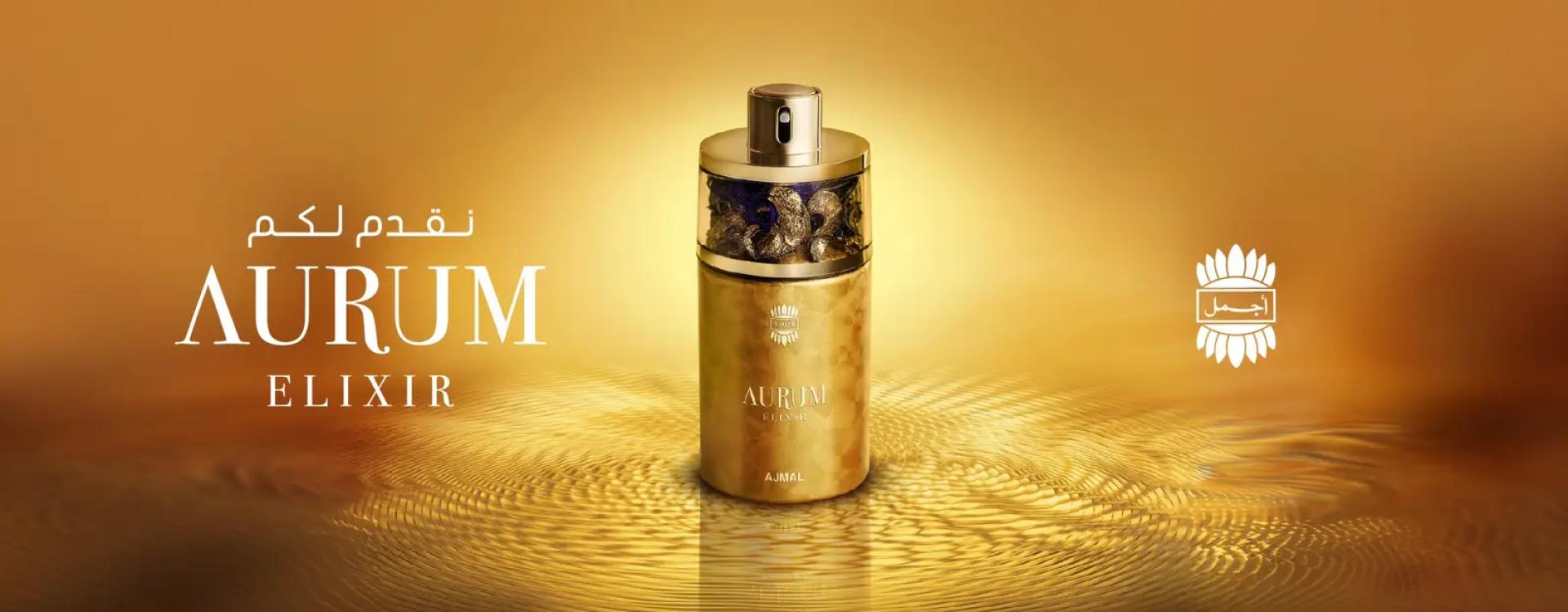

The very air in Oman seems to carry a whisper of fragrance a blend of frankincense smoke, salty sea air, and the deep, resonant notes of precious oud. For centuries, the Sultanate has been a pivotal crossroads of the global scent trade, and today, the passion for perfumes in Oman represents a beautiful fusion of deep-rooted tradition and a dynamic, modern commercial market. This guide, updated for 2026, will immerse you in the complete olfactory landscape of the country, from the ancient souks of Muscat to the cutting-edge boutiques, offering practical advice for both connoisseurs and curious visitors.
The Cultural Heartbeat: Omani Perfumery Tradition
To understand the contemporary market for perfume in Oman, one must first appreciate its historical soul. Omani perfumery is not merely about adornment; it is an art form woven into the fabric of hospitality, identity, and spirituality.
Frankincense, or luban, harvested from the trees of Dhofar, is the kingdom's most famous aromatic export, burned in homes as a sign of welcome. But the true cornerstone of traditional Omani scent is oud (agarwood). This dark, resinous heartwood, formed in aquilaria trees, produces one of the world's most expensive and complex fragrances when distilled. Alongside oud, you’ll find rich rosewater from Jebel Akhdar, lush myrrh, and sunny notes of amber and saffron blended into concentrated oils known as attars.
These attars are worn directly on the skin, often at pulse points, and their longevity is remarkable. The traditional practice emphasizes pure, oil-based scents that evolve with the wearer's body chemistry, a stark contrast to alcohol-based Western perfumes. This legacy forms the foundation upon which the entire modern industry is built.
Navigating the Modern Marketplace: Where to Buy Perfume in Oman
The commercial landscape for perfumes in Oman is thrillingly diverse in 2026, catering to every preference and budget. Knowing where to look is key to a successful olfactory exploration.
The Perfume Souks: An Authentic Sensory Journey
No exploration is complete without a visit to the dedicated perfume souks, like the famous Mutrah Souk in Muscat or Nizwa’s market. Here, the quest for perfume in Oman becomes an adventure. You'll find stalls overflowing with bottles of golden oud, baskets of frankincense crystals, and jars of layered attars. This is a place to engage your senses: smell freely, bargain respectfully, and learn from the vendors. For the most authentic experience, seek out smaller, family-run stalls where you might witness the blending process firsthand. Purchasing here supports local artisans and offers a direct link to tradition.
Boutiques and International Houses: Curated Luxury
For a more curated experience, Oman’s major malls and luxury districts in Muscat, such as Avenues Mall or Shatti Al Qurum, host an array of high-end boutiques. Alongside global giants like Amouage (Oman’s own world-renowned luxury perfume house), you’ll find exclusive outlets for international brands and niche perfumers. These spaces offer a refined, air-conditioned environment to discover complex, ready-to-wear fragrances that often blend Omani ingredients with global accords. The service is personalized, making it ideal for finding a signature scent or a special gift.
The Digital Shift: Online Perfume Shopping in Oman
The commercial sector for perfumes in Oman has expanded robustly into the digital realm. As of 2026, numerous reputable local perfumers and distributors operate sophisticated e-commerce platforms. These sites offer detailed descriptions, origin stories for ingredients, and nationwide delivery. This is particularly useful for those seeking specific attars or re-purchasing a favorite blend without navigating the souks. Always verify the credibility of online sellers by checking for physical addresses and customer reviews to ensure you receive genuine, high-quality products.
The Ingredients that Define a Nation's Scent
What truly sets the market for perfume in Oman apart is the unparalleled quality and cultural significance of its raw materials.
- Oud (Agarwood): The king of Omani fragrances. Prices vary astronomically based on origin, age, and oil concentration. Pure, aged Omani or Cambodian oud oil is a lifetime investment, often sold by the gram.
- Frankincense: Available in different grades (Hojari being the finest), it’s used both in burning ceremonies and as a fresh, pine-citrus note in perfumery.
- Rose Water: The rose terraces of Jebel Akhdar produce a stunningly pure and intense rose water, used as a fragrance base and a culinary ingredient.
- Myrrh & Other Botanicals: These add depth, spice, and complexity to many Omani blends, showcasing the biodiversity of the region.
Understanding these ingredients empowers you as a buyer. When shopping for perfumes in Oman, ask the vendor about the composition. A quality seller will be proud to explain the origins of their keynotes.
A 2026 Commercial Overview: Trends and Purchasing Insights
The commercial perfume sector in Oman is both preserving heritage and embracing innovation. Key trends for 2026 include:
- Sustainability and Ethical Sourcing: Conscious consumers are increasingly asking about the sustainability of oud harvesting and the ethical sourcing of ingredients. Reputable houses now provide transparency about their supply chains.
- Niche and Personalized Blending: Beyond off-the-shelf attars, many boutiques offer bespoke blending services. You can work with a muattar (perfume blender) to create a completely unique scent that reflects your personal story—a truly special way to engage with Omani perfumery.
- Modern Omani Fusion: Contemporary Omani perfumers are expertly blending classic notes like oud and frankincense with global accords like vanilla, leather, and white flowers, creating fragrances that bridge cultural gaps and appeal to an international palate.
Practical Buying Tips for 2026:
- Test on Skin: Always ask to try an attar on your skin. Oils change dramatically as they warm and interact with your chemistry.
- Start Small: When investing in pure oud or a new blend, purchase a small sample (tola) first to ensure you love its development over hours.
- Bargain with Knowledge: Haggling is expected in souks, but do so respectfully. Have a rough idea of average prices for common items like frankincense to guide you.
- Check Documentation: For high-value purchases, ask for any certification of authenticity, especially for pure oud oils.
The Unmissable Experience: Visiting an Omani Perfumery
For the deepest dive into the world of perfumes in Oman, schedule a visit to a working perfumery or a cultural museum exhibit. Organizations like the Oman Perfumery Project or the tours offered by houses like Amouage provide an unparalleled educational experience. You’ll see copper distillation units (deg), learn the painstaking process of oil extraction, and gain a profound appreciation for the craftsmanship behind every bottle. It transforms a simple purchase into a lasting memory and a deeper understanding of Omani culture.
Conclusion: The Enduring Fragrance of Arabia
The journey through the realm of perfumes in Oman is a journey through the soul of the nation itself. In 2026, this market thrives as a vibrant ecosystem where the ancient and the modern coexist in fragrant harmony. From the smoky, timeless allure of the souk to the sleek, bespoke experiences of modern boutiques, every avenue offers a discovery. Whether you are drawn by the call of sacred frankincense, the deep mystique of oud, or the innovative spirit of contemporary Omani perfumers, your engagement with this aromatic art form promises to be more than a transaction it is an authentic connection to a rich and welcoming culture. Let your senses lead the way.
Sign in to leave a comment.