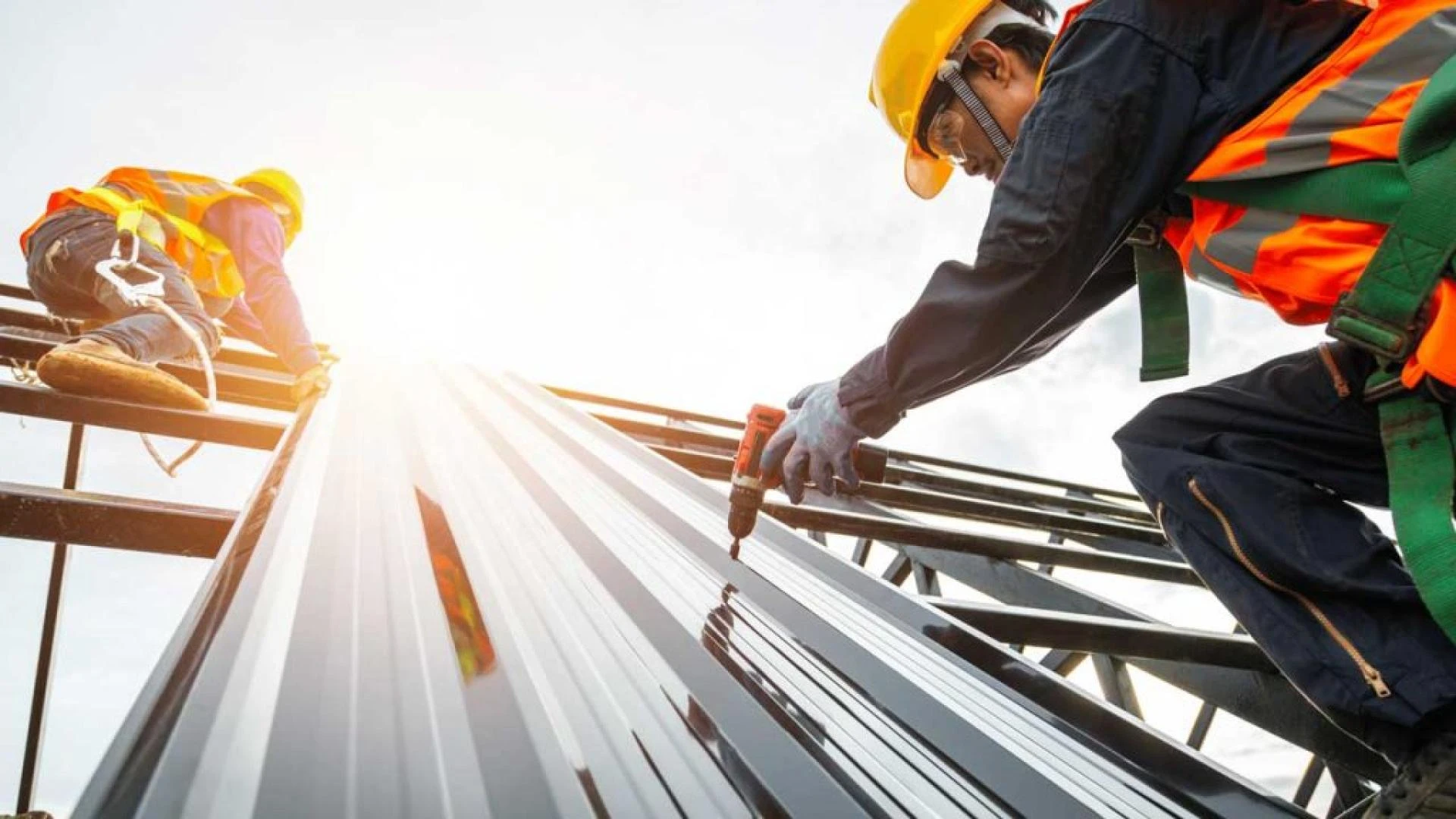

Your roof is your home\'s first line of defense against the elements, so keeping it in top shape is crucial. Regular roof inspections are key to maintaining the integrity of your home and avoiding costly repairs. In this guide, we’ll explore why roof inspections are essential, what you should expect during one, and how to prepare for it.
Why Roof Inspections Matter
Prevent Costly Repairs: Regular inspections can help identify small issues before they become major problems. Catching leaks, damaged shingles, or worn-out flashing early can save you significant money in the long run.
Extend Roof Lifespan: A well-maintained roof can last decades longer than one that’s neglected. Inspections ensure that your roof’s lifespan is maximized by addressing issues as they arise.
Boost Energy Efficiency: A damaged roof can lead to poor insulation and higher energy bills. Inspections can help identify problems that affect your home’s energy efficiency.
Ensure Safety: Roof problems can lead to structural issues or even pose safety hazards. Regular inspections help ensure that your roof remains safe and sound.

What to Expect During a Roof Inspection
Exterior Evaluation: Inspectors will check for visible signs of damage such as missing shingles, cracked tiles, or damaged flashing. They’ll also look for signs of wear and tear on gutters and downspouts.
Interior Assessment: Inside your home, inspectors will look for signs of leaks or water damage in the attic and ceilings. They’ll check for mold, damp insulation, and other indicators of roof issues.
Detailed Report: After the inspection, you’ll receive a detailed report outlining any problems found, their severity, and recommendations for repairs or maintenance.
Photographic Evidence: Many inspectors provide photos of the damage or issues they find, which can be helpful for understanding the condition of your roof and discussing repairs with contractors.
How to Prepare for a Roof Inspection
Clear the Area: Remove any items from around your home’s exterior that could obstruct the inspector’s view or access, such as garden tools, furniture, or branches.
Ensure Accessibility: Make sure the inspector has easy access to your attic, roof, and all areas that need to be evaluated.
Document Any Concerns: If you’ve noticed any specific issues, such as leaks or missing shingles, be sure to mention them to the inspector.

Choosing the Right Roof Inspector
Check Credentials: Ensure the inspector is licensed and has a good reputation. Look for reviews or ask for recommendations from friends or family.
Ask About Experience: An experienced inspector will be more likely to spot potential issues and provide accurate assessments.
Get a Detailed Estimate: If repairs are needed, make sure you receive a detailed estimate and understand the scope of work before proceeding.
Conclusion
Regular roof inspections are a proactive way to safeguard your home’s integrity and your family’s safety. By understanding what to expect and preparing accordingly, you can ensure that your roof remains in excellent condition and avoid unnecessary headaches down the road.
For more information or to schedule a professional roof inspection, visit Metal Roofing San Antonio!
























Sign in to leave a comment.