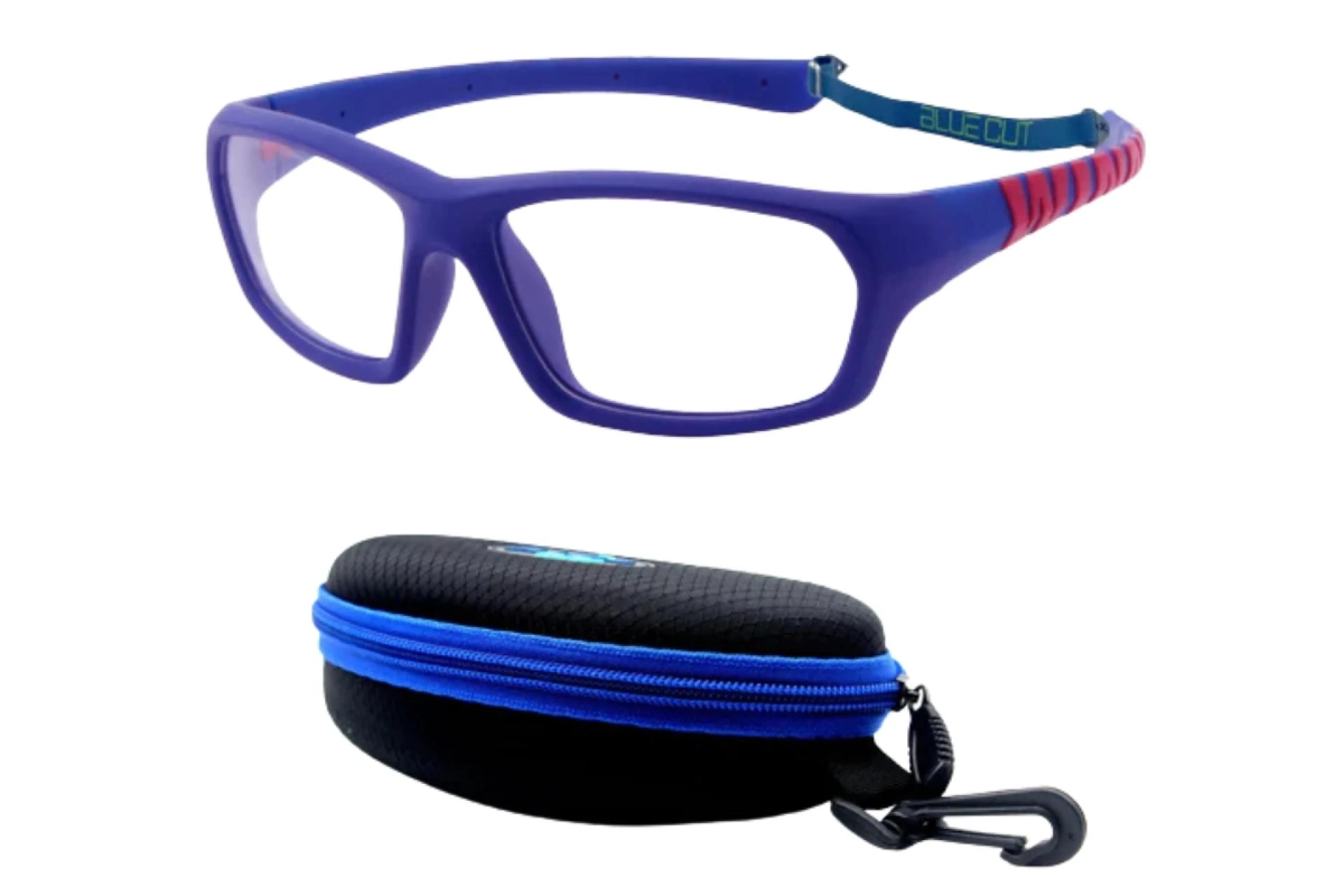
Kids today are more active than ever. They run, jump, bike, and play sports almost every day. While staying active is great for their health, it also comes with risks—especially to their eyes. Standard eyeglasses work well for everyday activities, but they are not made for running, jumping, or playing sports. That’s where prescription sports glasses for kids come in. They combine clear vision with safety, durability, and style, letting kids enjoy sports and outdoor play without worrying about their eyes.
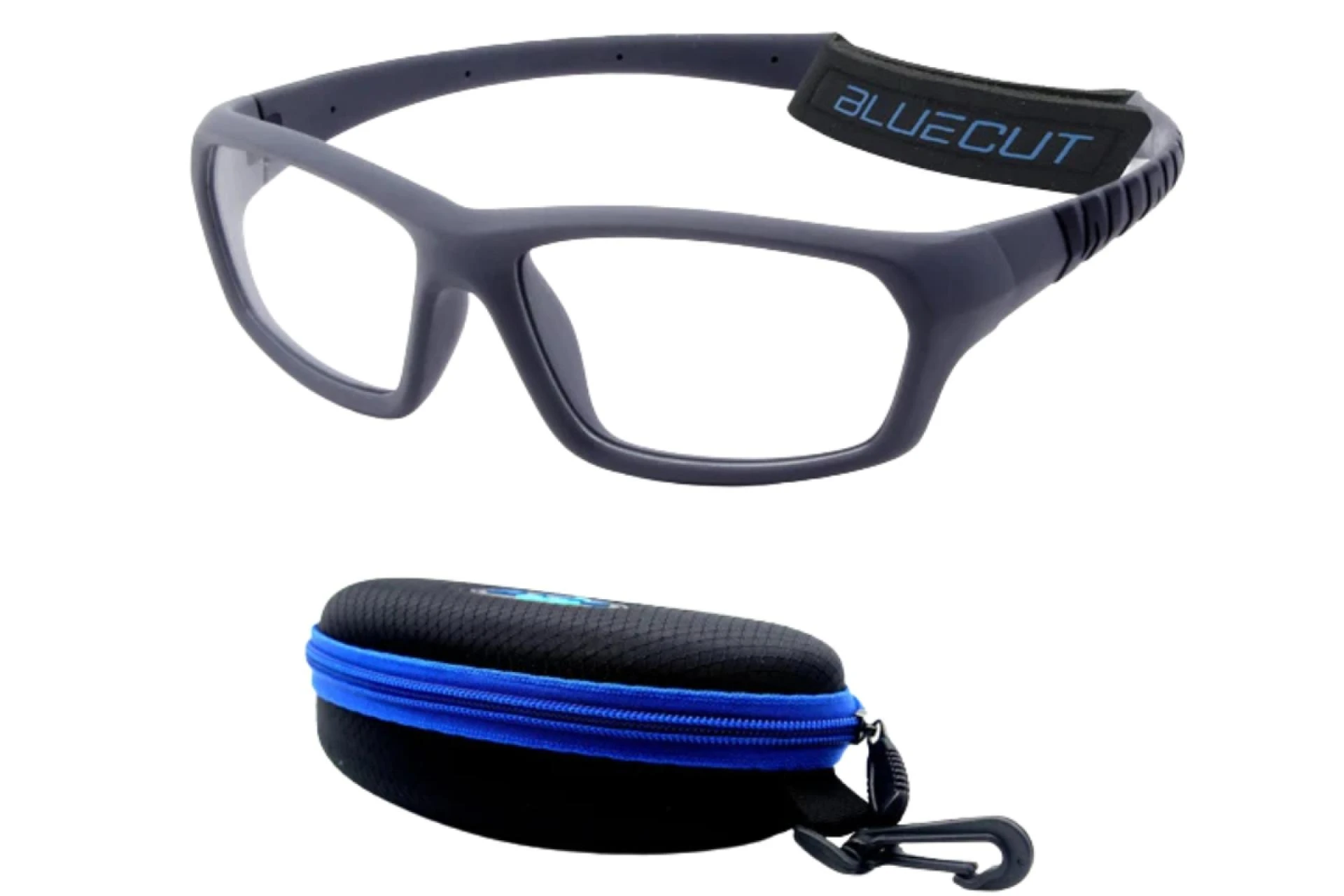
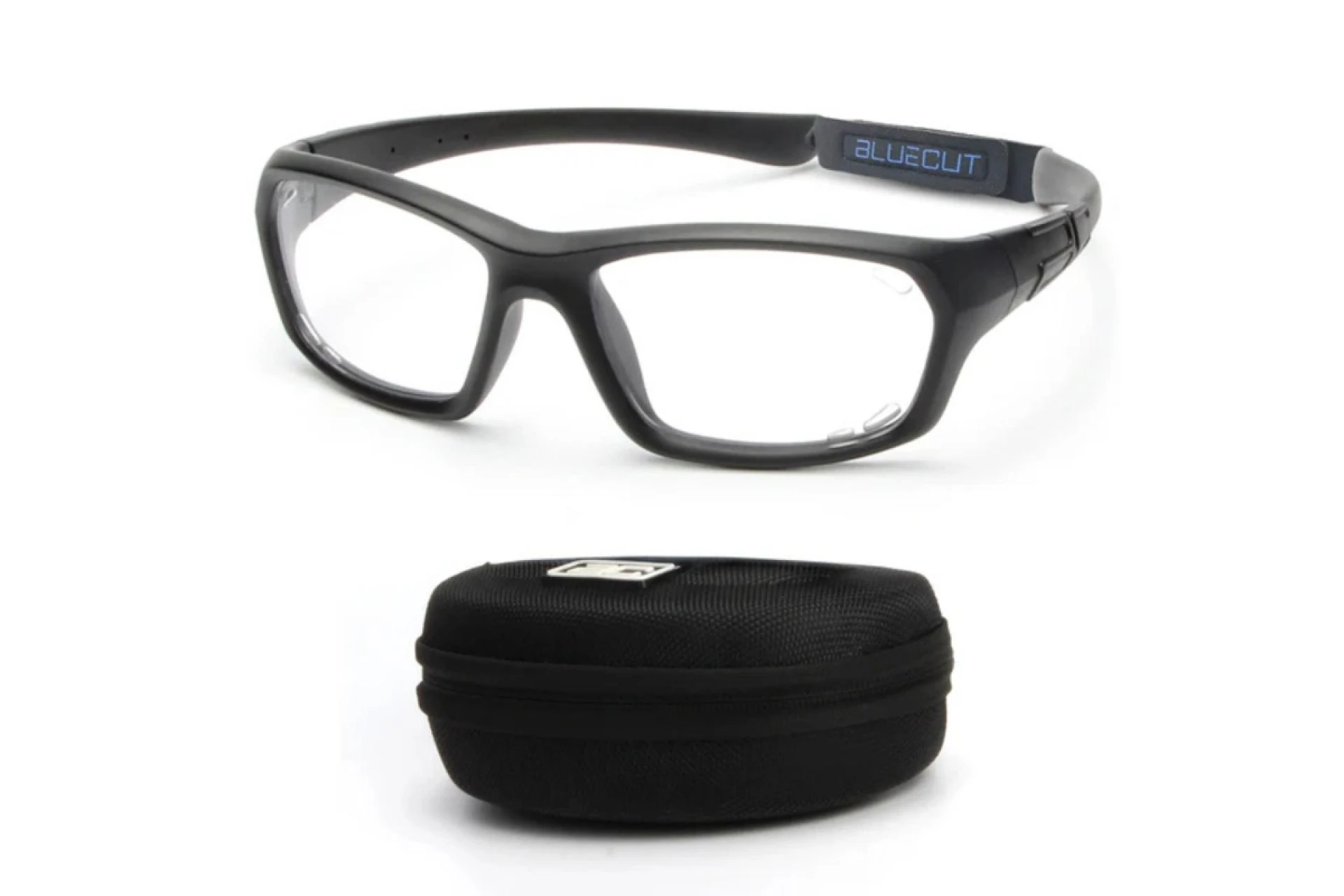
Prescription sports glasses for kids are different from regular glasses. They are built to handle bumps, drops, and fast movement. The frames are durable, the lenses are impact-resistant, and the glasses fit securely, so they don’t slip off during activity. Plus, they come in fun designs and colors that children love. Choosing the right pair can help kids see better, play safely, and feel confident while wearing their glasses.
Why Kids Need Prescription Sports Glasses
Good vision is essential for children, not just in the classroom but also on the sports field. Kids with vision problems may have trouble following a fast-moving ball, judging distances, or coordinating their movements. Wearing regular glasses while playing sports can be risky—they can easily break, causing injuries. Prescription sports glasses for kids solve this problem by providing both vision correction and eye protection.
The lenses in sports glasses are usually made from polycarbonate or Trivex, materials that are much stronger than regular plastic. They can handle impacts from balls, sticks, or other objects without breaking. Many lenses also have scratch-resistant and shatterproof coatings. With the right glasses, children can play confidently, parents can relax, and the chances of eye injuries are greatly reduced.
Choosing the Right Frames for Kids
Frames for prescription sports glasses should be comfortable and secure. Poorly fitting glasses can distract kids or even fall off during an activity. Look for adjustable nose pads, flexible temples, and lightweight frames. These features help the glasses stay in place and feel comfortable for long periods.
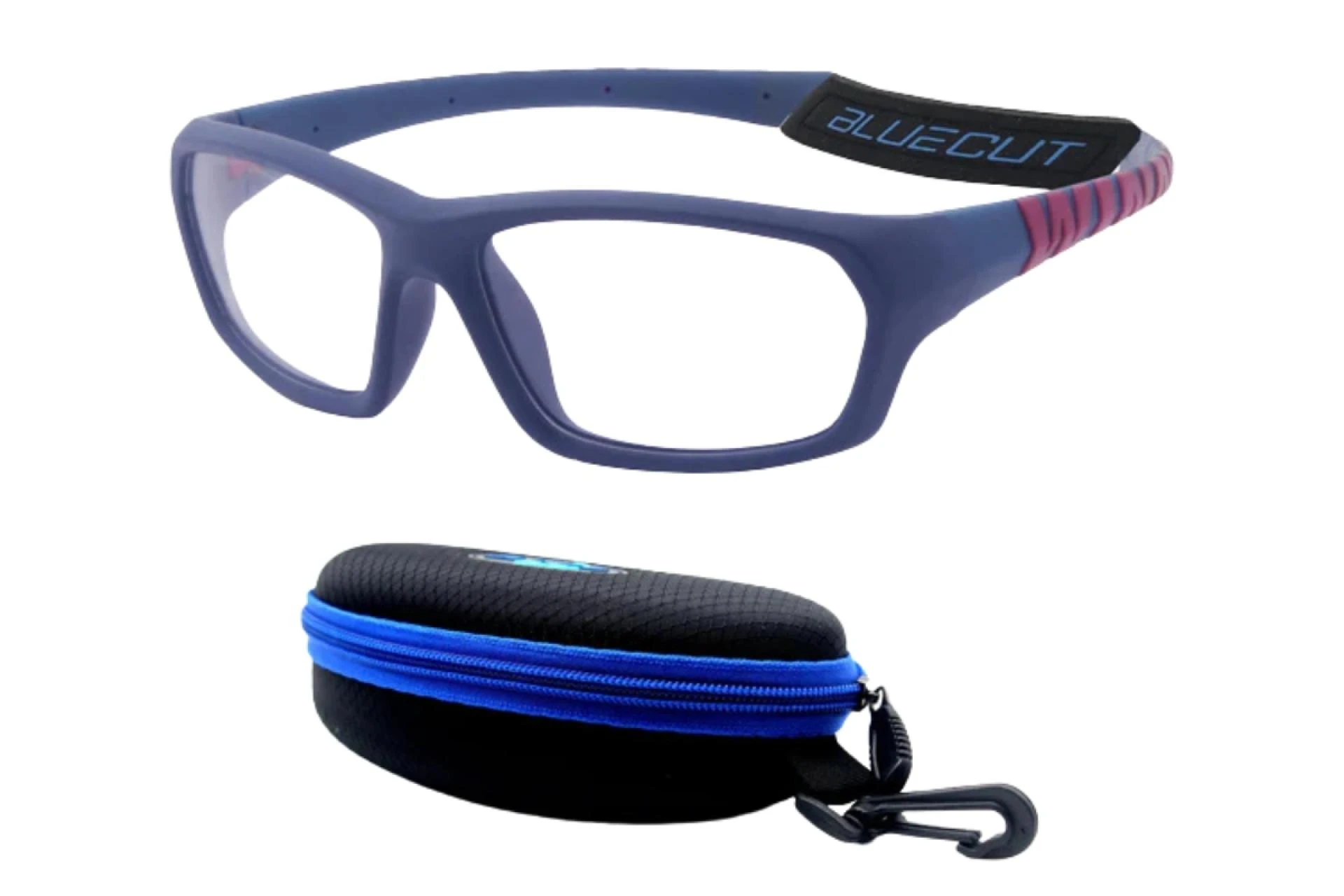
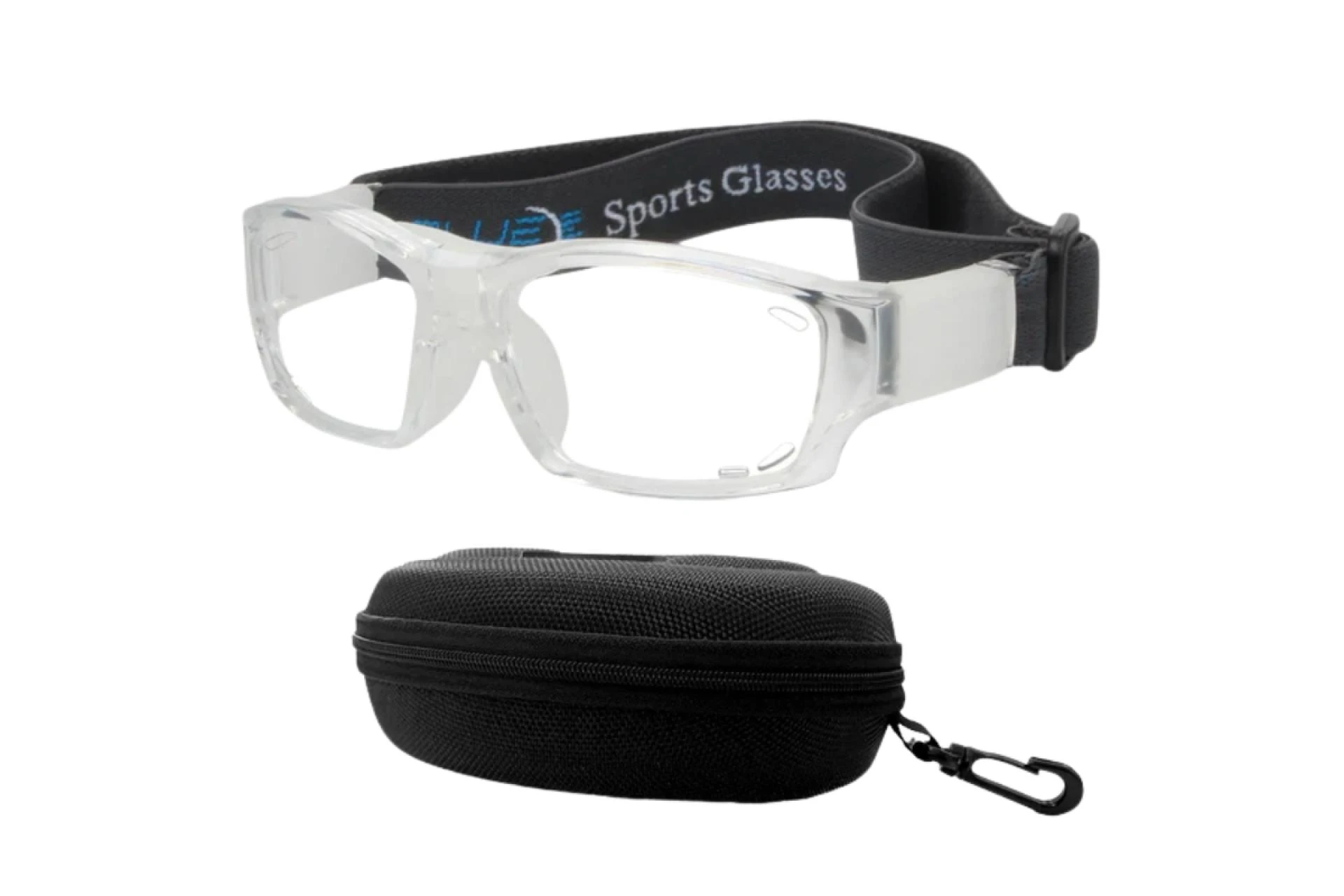
Durable materials like nylon or flexible plastics are ideal because they bend under pressure instead of breaking. Wraparound frames are a great choice, as they protect the sides of the eyes, not just the front. Some frames even have rubber grips on the nose and temples to prevent slipping. A good fit keeps kids safe, comfortable, and focused on the game rather than their glasses.
Lens Options and Technology
Prescription sports glasses for kids come with several lens options. Polycarbonate lenses are lightweight, strong, and protect against UV rays. Trivex lenses offer similar benefits with slightly better clarity, which is helpful for sports requiring precise vision.
Other useful lens features include anti-fog and scratch-resistant coatings. Anti-fog lenses prevent condensation during active play, while scratch-resistant lenses last longer even with rough use. Some lenses are tinted or polarized to reduce glare from the sun, which is especially helpful for outdoor sports. When choosing lenses, consider both the child’s vision needs and the types of sports they play.
Safety Standards Matter
Safety is the most important factor when choosing prescription sports glasses. High-quality sports glasses meet safety standards for impact resistance, such as ASTM or ANSI guidelines. These standards ensure the glasses can withstand strong impacts without breaking.
Many sports glasses also provide full UV protection. Children’s eyes are sensitive to the sun, and long-term exposure can cause problems later in life. By choosing glasses that meet safety standards and block harmful UV rays, you help protect your child’s eyes both now and in the future.
Stylish and Fun Designs
Kids often care about how their glasses look. Modern prescription sports glasses come in a wide variety of colors, patterns, and shapes to suit every child’s taste. From bright and bold to sleek and sporty, there are options for everyone.
Some frames allow for interchangeable lenses, so kids can switch between clear lenses for indoor sports and tinted lenses for outdoor activities. This makes the glasses versatile and fun to wear. When glasses look good and feel comfortable, kids are more likely to wear them consistently.
Taking Care of Prescription Sports Glasses
Proper care helps glasses last longer. Clean lenses with a soft microfiber cloth and lens-safe cleaner. Avoid leaving glasses in hot places, like cars, which can warp frames or damage lenses.
Store glasses in a sturdy case when not in use. Encourage kids to handle their glasses gently and avoid dropping them. With the right care, prescription sports glasses can provide reliable vision and protection for years, making them a smart investment.
Encouraging Kids to Wear Their Glasses
Some kids may be reluctant to wear glasses, even for sports. Letting them choose their own colors or styles can help. Framing the glasses as part of their sports gear—like helmets or shin guards—can also make them more appealing.
Positive reinforcement helps, too. Praise kids when they wear their glasses during sports or outdoor play. Over time, they will see their glasses as normal equipment that keeps them safe and helps them play better.
Cost and Value
Prescription sports glasses may cost more than regular glasses, but they are worth it. Regular glasses break easily during sports, leading to repeated replacements. Sports glasses are more durable and can reduce the risk of costly eye injuries.
Consider lens options, protective coatings, and accessories like straps or cases when budgeting. Some insurance plans also cover part of the cost. In the long run, the safety, durability, and improved vision make sports glasses a valuable investment.
Eye Exams Are Key
Regular eye exams are essential, especially for children who play sports. Exams ensure their prescription is accurate and help detect any vision problems early. Eye doctors can recommend the best types of prescription sports glasses, considering frame fit, lens material, and activity level.
Routine exams also help identify issues like lazy eye, astigmatism, or trouble with depth perception, which can affect both vision and athletic performance. Keeping up with eye care ensures kids can see clearly and stay safe while playing.
Conclusion
Prescription sports glasses for kids are a must-have for active children. They combine clear vision, safety, and style, allowing kids to play confidently and parents to feel at ease. Durable frames, impact-resistant lenses, and fun designs make these glasses practical and appealing.
By choosing the right prescription sports glasses, parents can protect their child’s eyes, improve their performance, and boost their confidence. For families looking for safe and stylish options, exploring a variety of prescription sport glasses for kids can make a real difference. To browse quality options, visit BlueCut Glasses.























Sign in to leave a comment.