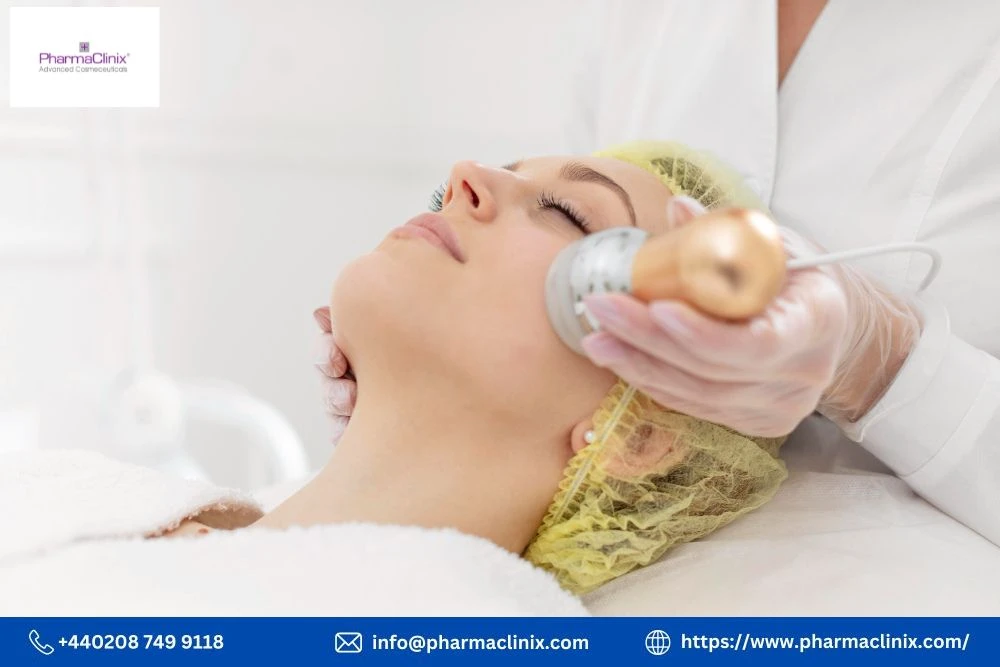

Are you looking to brighten your complexion and achieve that glowing skin? Skin whitening treatments have become increasingly popular as people seek ways to enhance their appearance and boost their confidence. But with so many options available, how do you choose the right one for you? In this comprehensive guide, we\'ll explore everything you need to know about skin whitening treatments, from natural remedies to advanced cosmetic procedures.
Understanding Skin Whitening
Skin whitening, often referred to as skin lightening or brightening, aims to reduce pigmentation and create a more even skin tone. This process involves the use of various methods and products to lighten the skin\'s appearance and diminish dark spots, blemishes, and uneven tones.
Imagine your skin as a canvas; skin whitening treatments work like a fresh coat of paint, aiming to create a flawless and radiant finish. Whether you\'re dealing with age spots, acne scars, or just want a brighter complexion, understanding how these treatments work is the first step in choosing the right approach.
Natural Skin Whitening Remedies
Natural remedies have been used for centuries to enhance skin tone. These methods often involve common ingredients found in your kitchen. Here are a few popular options:
Lemon Juice: Known for its natural bleaching properties, lemon juice can lighten dark spots. However, it can also make your skin sensitive to sunlight, so always apply sunscreen after use.
Honey and Turmeric: Honey\'s moisturizing properties combined with turmeric\'s anti-inflammatory effects can help brighten the skin and reduce pigmentation.
Aloe Vera: Aloe vera is a soothing gel that helps in reducing skin discoloration and promotes healing.
Natural remedies are gentle and often less expensive, but results may take longer to show compared to other methods.
Over-the-Counter Products
For those looking for a more convenient option, over-the-counter (OTC) products offer various skin whitening solutions. These include:
Whitening Creams: These creams contain active ingredients like hydroquinone, kojic acid, and niacinamide, which help to reduce melanin production in the skin.
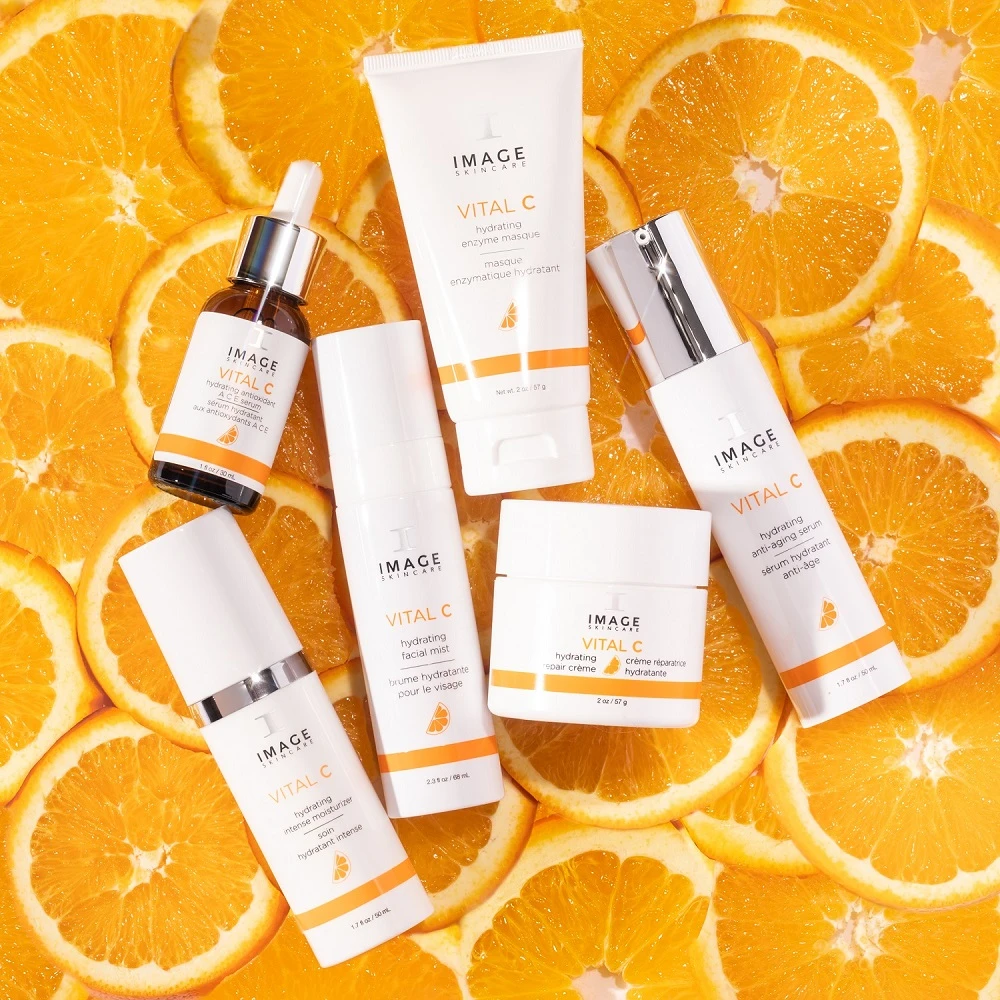
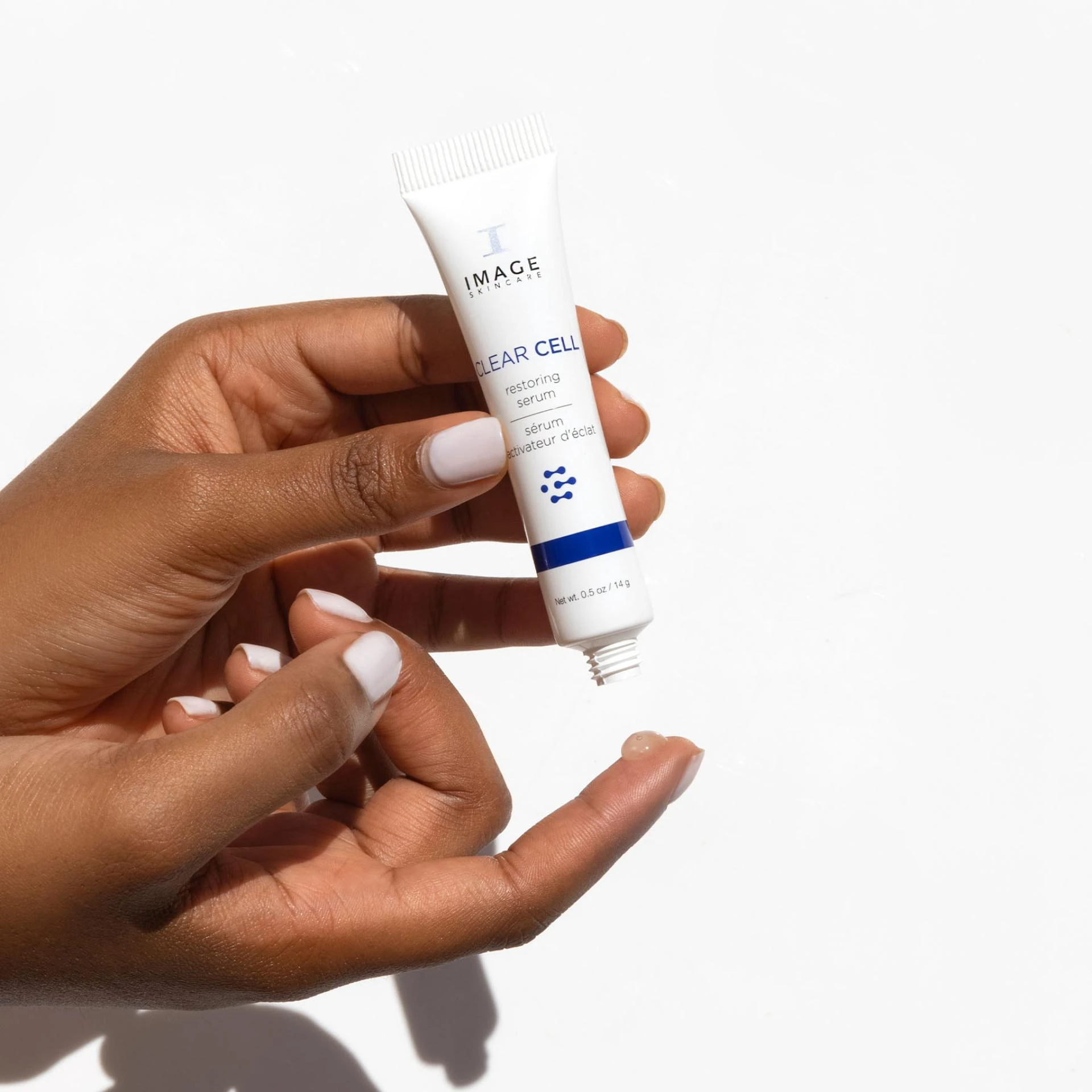
Serums: Serums are concentrated formulas that can penetrate deeper into the skin, providing more effective results for uneven skin tone and dark spots.
Exfoliating Products: Products with ingredients like alpha hydroxy acids (AHAs) help to slough off dead skin cells and reveal brighter skin underneath.
While OTC products are readily available, it’s important to choose ones that suit your skin type and to follow the instructions carefully.
Professional Skin Whitening Treatments
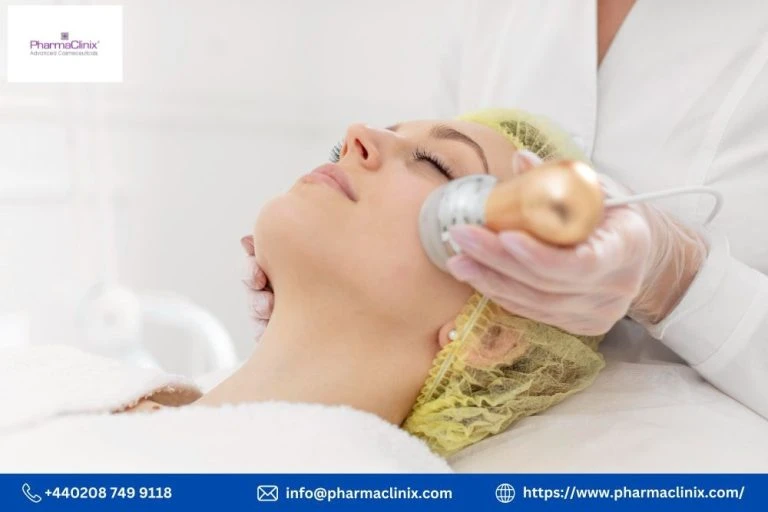
For more dramatic results, professional treatments might be the way to go. These procedures are conducted by dermatologists and can offer faster and more noticeable improvements:
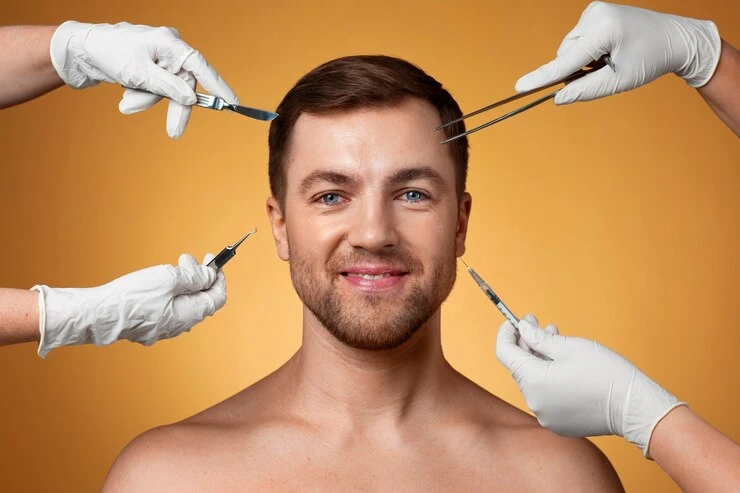
Chemical Peels: This involves applying a chemical solution to the skin to exfoliate and remove the outer layer, which can help reduce pigmentation and improve skin texture.
Laser Treatments: Laser therapy targets pigmentation and stimulates collagen production, leading to a brighter and more even complexion.
Microdermabrasion: This technique uses a special device to gently remove the outer layer of skin, improving its appearance and texture.
Professional treatments can be more costly but often deliver quicker and more significant results.
Home-Based Skin Whitening Methods
If you prefer to stay at home but want more than natural remedies, there are a few home-based methods you can try:
DIY Face Masks: Create masks using ingredients like yogurt, oatmeal, and honey, which can brighten and hydrate your skin.
Regular Exfoliation: Using exfoliating scrubs or brushes can help remove dead skin cells and promote a radiant complexion.
Hydration: Keeping your skin well-hydrated with moisturizers can enhance your skin\'s natural glow.
These methods are more affordable and allow you to control the ingredients and frequency of use.
Diet and Lifestyle for Brighter Skin
What you eat and how you live can have a significant impact on your skin\'s appearance. Incorporating certain foods and habits can complement your skin whitening efforts:
Hydration: Drinking plenty of water helps to flush out toxins and keep your skin hydrated.
Healthy Diet: Foods rich in antioxidants, like fruits and vegetables, can improve skin health and reduce pigmentation.
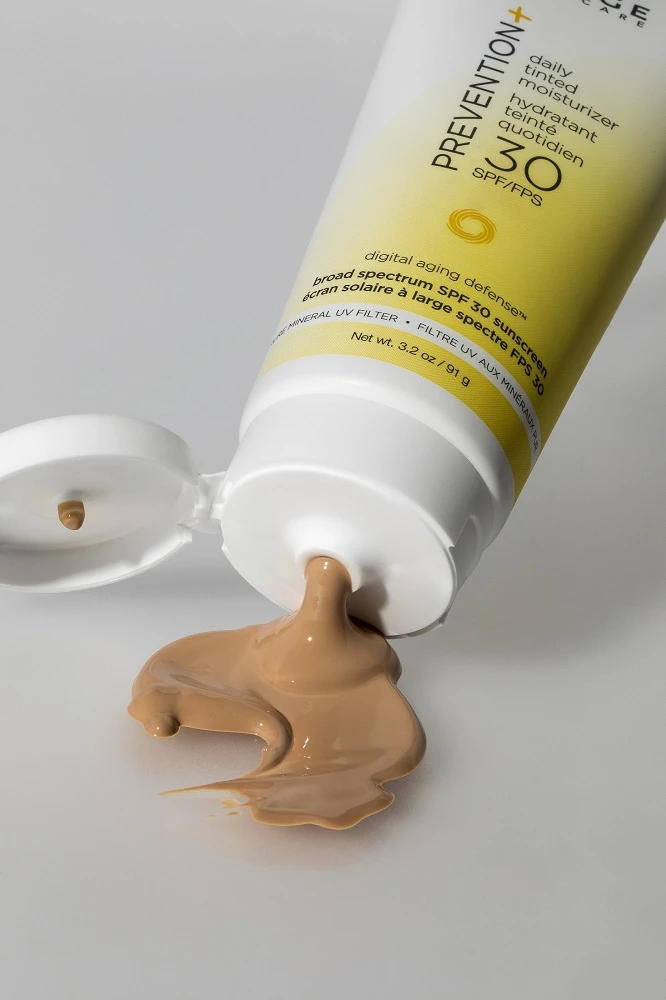
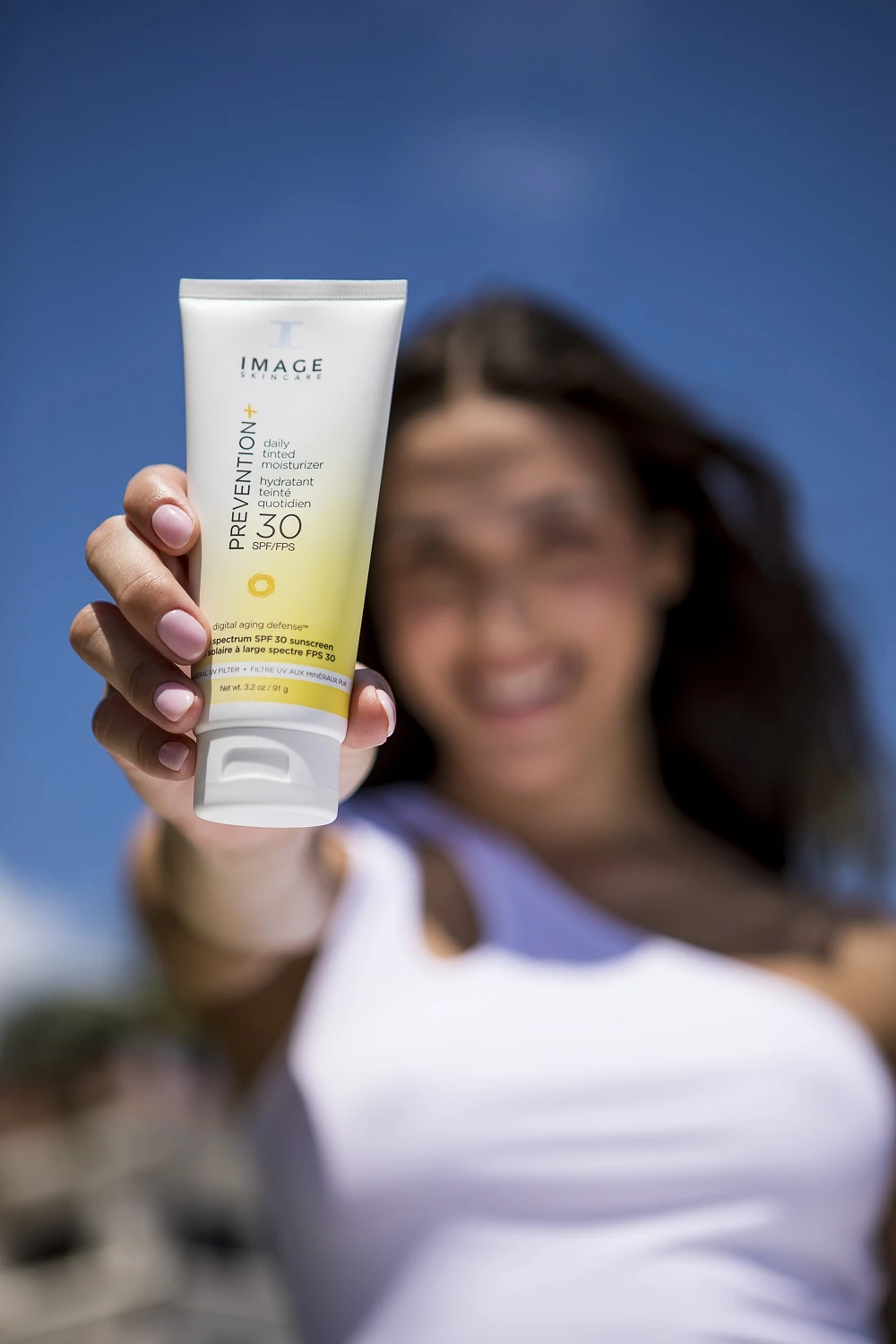
Sun Protection: Using sunscreen daily protects your skin from UV damage, which can worsen pigmentation and dark spots.
A healthy lifestyle supports your skin’s natural ability to stay clear and vibrant.
Safety and Side Effects
While many skin whitening treatments are effective, it\'s crucial to be aware of potential side effects. Some common issues include:
Skin Sensitivity: Treatments like chemical peels and laser therapies can make your skin more sensitive.
Allergic Reactions: Some products may cause allergic reactions or irritation, so it\'s important to do a patch test before full application.
Overuse Risks: Using too many products or treatments can damage your skin, so moderation is key.
Always consult with a professional to ensure the treatments are safe for your skin type.
Choosing the Right Treatment
With so many options available, choosing the right skin whitening treatment can be overwhelming. Consider the following factors:
Skin Type: Different treatments work better for different skin types, so choose one that matches your needs.
Budget: Professional treatments are often more expensive than OTC products and natural remedies.
Desired Results: Determine how quickly you want to see results and select a treatment accordingly.
Maintaining Your Results
Once you achieve your desired skin tone, maintaining it is essential. Follow these tips:
Regular Sunscreen Use: Protect your skin from UV rays to prevent new dark spots and maintain your results.
Consistent Skincare Routine: Stick to a skincare routine that includes cleansing, exfoliating, and moisturizing.
Periodic Treatments: Depending on your treatment, occasional follow-ups may be necessary to sustain your skin’s appearance.
Cost of Skin Whitening Treatments
The cost of skin whitening treatments varies widely based on the method and location. Here’s a rough estimate:
Natural Remedies: Often free or inexpensive, as they use common household ingredients.
OTC Products: Generally range from £10 to £50, depending on the brand and formulation.
Professional Treatments: Can range from £100 to £1000 or more, depending on the procedure and frequency.
Consulting a Professional
Before starting any skin whitening treatment, consulting with a dermatologist is crucial. They can:
Assess Your Skin: Determine your skin type and condition to recommend the most suitable treatment.
Advise on Safety: Provide guidance on avoiding potential side effects and ensuring safe use.
Create a Plan: Develop a personalised treatment plan to achieve your desired results effectively.
Skin Whitening Myths Debunked
There are many myths surrounding skin whitening treatments. Let’s debunk a few:
Myth 1: Skin Whitening is Dangerous: When done correctly and with professional guidance, skin whitening can be safe.
Myth 2: Instant Results are Possible: Achieving a lighter skin tone takes time and consistent effort.
Myth 3: Only for Fair Skin: Skin whitening treatments are for anyone looking to improve their skin tone, not just those seeking a fairer complexion.
Conclusion
Skin whitening treatments offer a range of options to achieve a brighter, more even complexion. Whether you opt for natural remedies, over-the-counter products, or professional procedures, it\'s essential to choose the method that best suits your skin type and goals. By following the tips and advice in this guide, you can make informed decisions and enjoy the benefits of a radiant, glowing skin.
Frequently Asked Questions (FAQs)
1. Are skin whitening treatments safe?
Yes, skin whitening treatments can be safe when used correctly and under professional supervision. Always choose reputable products and consult with a dermatologist.
2. How long does it take to see results from skin whitening treatments?
The time varies depending on the treatment and your skin type. Natural remedies may take several weeks, while professional treatments can show results more quickly.
3. Can skin whitening treatments cause side effects?
Yes, some treatments can cause side effects like skin irritation or sensitivity. It’s important to follow instructions and consult a professional if you experience any issues.
4. How often should I use skin whitening products?
Follow the instructions provided with the product or by your dermatologist. Overuse can damage your skin, so it’s important to use products as directed.
5. Can I use skin whitening treatments if I have sensitive skin?
Yes, but it’s crucial to choose treatments specifically designed for sensitive skin and consult with a dermatologist to avoid adverse reactions.

















Sign in to leave a comment.