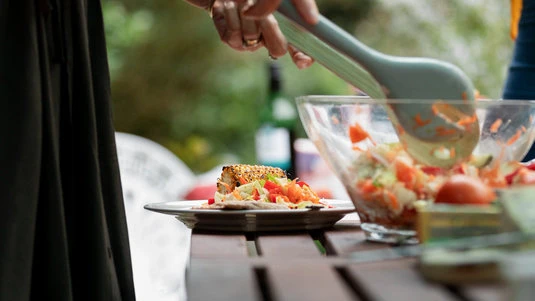

Whether you're flipping burgers in your backyard or simmering sauces in your kitchen, your tools make all the difference. Among the most trusted materials by chefs and grillmasters alike is stainless steel—durable, non-reactive, and ideal for both indoor and outdoor cooking. This guide explores the essential qualities of stainless steel cookware and BBQ tools, helping you understand their value, care instructions, and how to choose the best options for your needs.
Why Choose Stainless Steel for Cookware and BBQ Tools?
Stainless steel has long been a favorite in professional kitchens and grilling stations. Known for its sleek appearance, strength, and resistance to rust and corrosion, it’s no wonder stainless steel continues to dominate cookware and BBQ tool selections.
Key Benefits of Stainless Steel Cookware
Stainless steel cookware is built to last. Unlike non-stick surfaces that wear down over time, stainless steel stands up to high heat, aggressive cooking, and repeated use. Here are some of the most compelling reasons why stainless steel remains a top choice:
- Durability: It resists scratches, dents, and warping.
- Heat Resistance: Handles high cooking temperatures without releasing toxins.
- Non-Reactive Surface: Won’t interact with acidic ingredients like tomatoes or vinegar.
- Easy Maintenance: Can be scrubbed and even polished to look like new.
- Versatility: Suitable for gas, electric, induction, and oven use.
Choosing the Right Stainless Steel Cookware
When shopping for stainless steel cookware, pay attention to:
- Construction: Look for multi-ply construction (such as 3-ply or 5-ply) for even heat distribution.
- Handles: Riveted stainless steel or heat-resistant silicone handles add comfort and safety.
- Lid Type: Tempered glass lids allow you to monitor cooking, while steel lids retain heat and moisture.
Stainless Steel BBQ Tools: A Griller’s Best Friend
If you're serious about barbecuing, your tools need to be just as tough as your grill. Stainless steel BBQ tools are a must-have for anyone who loves grilling, smoking, or searing over open flames.
Features to Look for in BBQ Tools
High-quality BBQ tools should include:
- Tongs: Long-handled with a good spring mechanism.
- Spatula: Wide and sturdy with a beveled edge for easy flipping.
- Fork: Sharp and long enough to keep your hands safe from flames.
- Basting Brush: Ideally with heat-resistant silicone bristles.
Why Stainless Steel Tools Outperform the Rest
BBQ tools endure high temperatures and messy conditions. Stainless steel resists corrosion from marinades, sauces, and constant exposure to heat and smoke. Unlike wood or plastic, stainless steel won’t splinter, melt, or warp—making it the most reliable option for outdoor cooking.
Final Thoughts
Stainless steel cookware and BBQ tools are not just kitchen accessories—they're long-term investments in your culinary success. Whether you’re frying on the stove or grilling in the backyard, stainless steel provides unmatched performance, safety, and ease of use. With proper care, these tools will serve you for years and help elevate your cooking skills at every level.
FAQs
Q1: Is stainless steel cookware better than non-stick?
Yes, while non-stick is good for low-fat cooking, stainless steel cookware offers superior durability, high heat resistance, and versatility across cooking surfaces.
Q2: Can stainless steel BBQ tools rust?
High-quality stainless steel tools are resistant to rust, but it’s essential to dry them thoroughly after washing and store them properly.
Q3: How do I clean burnt food from stainless steel cookware?
Soak the pan in warm water with baking soda or vinegar, then scrub with a non-abrasive sponge. For tougher stains, a stainless steel cleaner can be used.
Q4: Are stainless steel BBQ tools dishwasher-safe?
Most stainless steel BBQ tools are dishwasher-safe, but handwashing is often recommended to maintain the shine and integrity of the materials.
Q5: What gauge of stainless steel is best for cookware?
A heavier gauge (lower number, such as 18/10) offers better durability and performance. It's often used in premium cookware for its high resistance to corrosion and staining.





























Sign in to leave a comment.