
Introduction
Cats are great pets, and they can make great companions to people of all ages. However, there is one thing you need to know about caring for a new cat: their needs can be completely different from what you're used to raising other pets. That's why it's so important to prepare yourself before bringing home your new friend! We've put together this guide on how best to take care of your new pet as well as some tips and tricks for making sure they stay healthy throughout their lives together.
Preparation
When you bring your new cat home, it's important to be prepared for what comes next. If possible and safe for your cat, consider getting a carrier so that they can be transported safely throughout the day. You'll also need some supplies like food bowls, water bowls and litter boxes (see below).
f you have any allergies or concerns about pets in general—such as an existing household member who might have an allergic reaction to kitty—you should definitely consult with a veterinarian before bringing home a new feline friend!
Arrival
When your new cat arrives, make sure that you have an area ready for him. Ideally it should be a room with nothing but the essentials: a litter box and food and water bowls with fresh water in them. If you have other cats already living with you, this room could become their sleeping area as well.
You should also have toys available so that he can explore his surroundings while waiting for his food or when he needs to use the bathroom (if he isn't eating yet). Some cats like playing with yarn balls; some prefer string toys; others may enjoy batting around crumpled up paper towels or toilet paper rolls—whatever works best for your feline friend!
Feed your cat.
Feeding your cat is one of the most important aspects of caring for a new cat. You can help ensure that they are healthy by feeding them high-quality food, which will provide all the nutrients they need to grow and develop properly.
Cats should not eat people's food or human-made treats like cookies or cake mixes because these types of foods contain preservatives that can cause health problems in cats. Instead, search for products with no artificial flavors or preservatives.
Litter Training
Once your kitty is home and settled, her litter box should be set up in the same place where you place her food and water. This will help to ensure that she knows what's expected of her when it comes time to use the litter box.
You'll also need some cat litter (obviously). You can buy cat litters at any pet store or online retailer—if you live in an urban area, there will probably be a lot more options than if you live somewhere rural. Try shopping around until you find something that works for both your budget and tastes!
Once the box is set up with fresh supplies of kitty waste removal materials spread across its floor space, open up the door so that your new pet can go inside (and don't forget about their claws!).
Socialization
Socialization is the process of learning to interact with other cats, people, and animals. It's important for your cat to socialize because it helps them to be more confident and comfortable around other people and animals. This will prevent fear or aggression towards them in the future if they choose to interact with these same individuals in the future.
If you already have a cat who has been properly socialized when you got him/her from rescue, then he/she will already know how to behave when meeting new people or pets (if there are any). However if this is not true for yours then it may take some time before your new pet feels comfortable enough around others but don't worry - patience pays off!
Grooming
Grooming is an important part of keeping your cat healthy and happy. If you don't groom your pet properly, it can lead to a number of problems, such as:
Grooming too often can cause overgrowth, which is when hair becomes tangled in the coat or gets matted together. This will cause discomfort for your cat and make it harder for them to move around comfortably.If you're not careful about grooming habits, they could allow bacteria or parasites into their skin where they could cause infections (especially fleas).Cats with thick coats may need regular combing sessions that involve using an appropriate tool on the right spot—and this may mean using special tools like scissors instead of just sticking one finger down there like most people do!Toys
Toys are a great way to keep your cat entertained, especially if you're new to owning a cat. Cats are naturally curious and love toys that allow them to try something new, so providing your cat with some toys can help make sure they don't get bored.
It's important to make sure that the toy is safe for your cat, though. If it's too hot or too small, they may get burned or swallowed by accident. Also, be careful not to give them things that have small parts like buttons or strings that could be chewed off by accident.
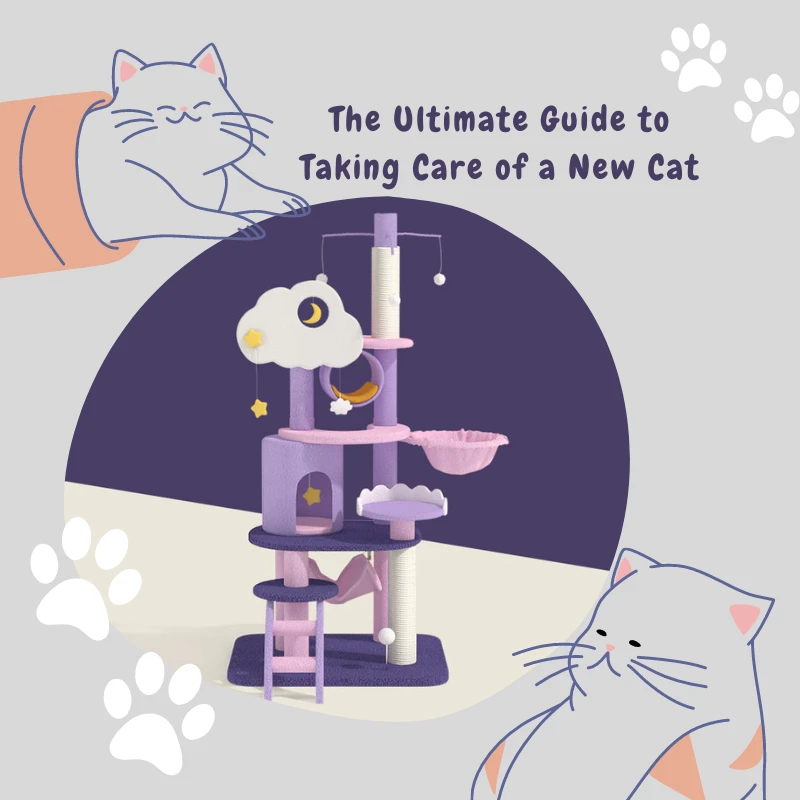
Here are some of our favorite toys for cats:
cat treecat suppliesPlaytime
Playtime is important for mental stimulation. Cats are naturally playful and love to play, which is why it's so important to give them lots of opportunities to exercise and engage in other activities. Playing with your cat can help prevent boredom, as well as strengthen their bond with you.
Play with your cat regularly! Your cat will thrive from this kind of interaction and will be able to express its true personality through the way it acts towards you during playtime (or just when being stroked).Don't force yourself into playing with your cat—if it doesn't want to be held or petted at first, don't push yourself! Instead, try some simple games that involve running around together or chasing each other around the house until one of them goes down from exhaustion first; these types of games keep both parties interested while also exercising both parties' bodies at once.*Healthcare
The first step to caring for a new cat is finding a veterinarian who you trust. You can ask your vet or local shelter staff if they know of any veterinarians in your area that are great at what they do, or check the list of accredited cat clinics near you.
Once you have found one that seems like a good fit, make an appointment and bring along all of the necessary paperwork from when you adopted your cat from the shelter; this includes:
A copy of their adopted application (this will come with a receipt as well)A picture ID for yourself and ideally one other person present during the visitProof of address (like driver's license) if applicableConclusion
These are the most important things to remember when you adopt a new cat. It may be difficult at first, but once you get past the initial shock and learn how to care for your new pet, it will become second nature!
FAQ
How can I keep my cat safe while they're outside?
A: If you want to let your cat outside, consider using a harness and leash, or allowing them to explore a secure outdoor space, such as a screened porch or catio.
How often should I groom my cat?
A: Regular grooming helps keep your cat healthy and comfortable. Brush their fur regularly, and trim their nails as needed. You may also want to consider bathing your cat, especially if they have long hair.







Sign in to leave a comment.