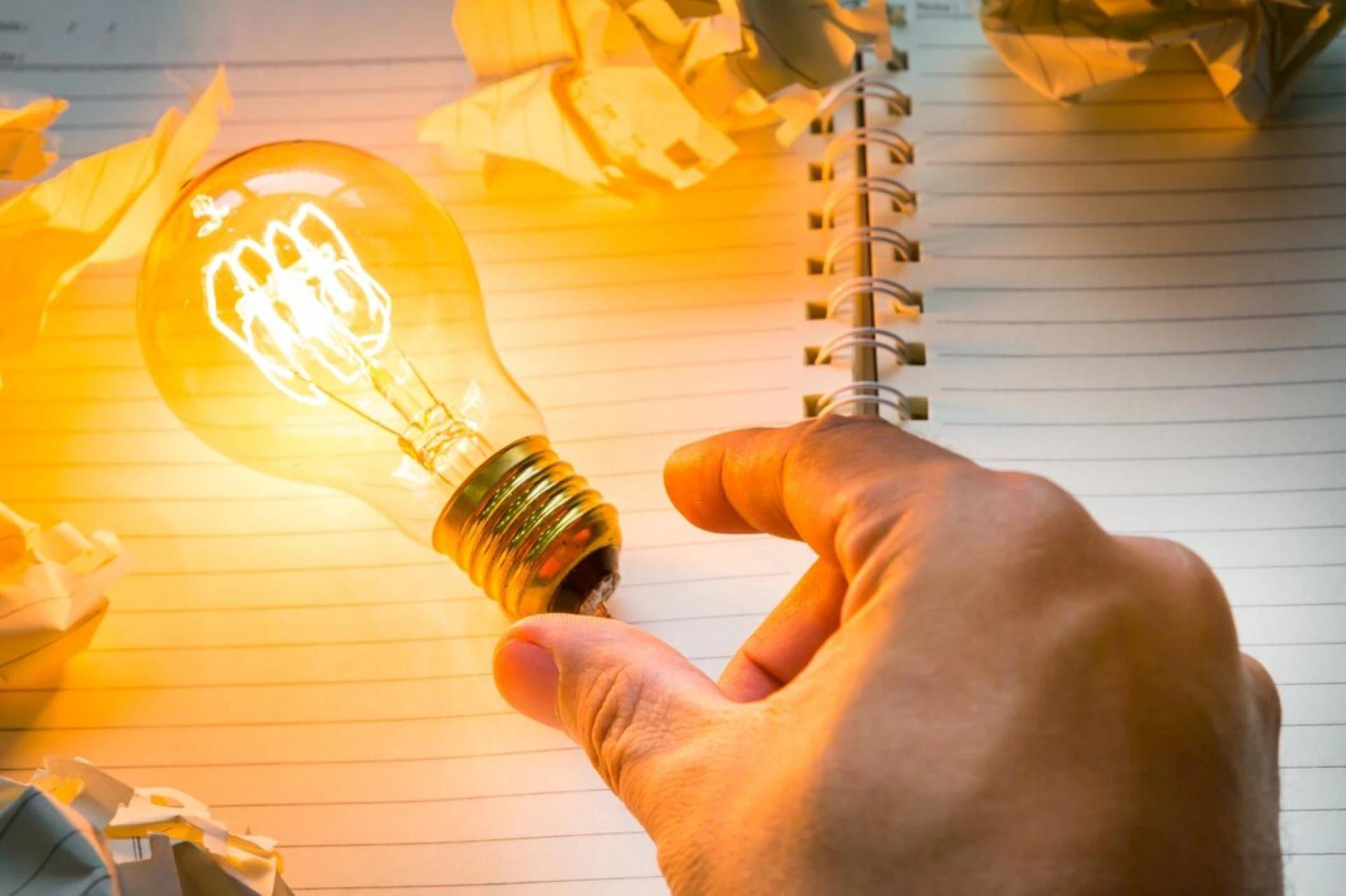

Understanding electricity supply is essential for every household, business, and industry. Electricity is an energy source that powers our homes, factories, and digital devices. Without electricity, modern life would be impossible. This guide aims to explain electricity supply, how it works, the key components involved, and how it impacts our daily lives.
What is Electricity Supply?
Electricity supply refers to the process by which electrical power is generated, transmitted, and distributed to consumers. The supply chain involves several key steps, including generation at power plants, transmission over long distances, and distribution to end-users. Each of these stages is critical to ensuring that the power reaches your home or business.
How Does Electricity Supply Work?
Electricity supply starts at the power plant, where various sources, such as coal, natural gas, nuclear energy, or renewable sources like wind and solar, generate electricity. The generated power is then transmitted via high-voltage power lines over long distances to reduce energy loss. Finally, electricity reaches homes and businesses through lower-voltage distribution networks.
1. Electricity Generation: Power plants generate electricity using fuel sources. Fossil fuels like coal, oil, and gas are commonly used, but renewable sources like wind, solar, and hydroelectric are increasingly popular. These plants convert energy from these fuels into electrical energy.
2. Transmission: Once electricity is generated, it is sent through transmission lines at high voltages. High-voltage transmission reduces the energy loss over long distances. These lines can stretch for hundreds or even thousands of miles.
3. Distribution: After reaching a substation, the voltage of the electricity is reduced and distributed through lower-voltage lines to homes and businesses. The distribution network includes transformers, substations, and service lines.
4. Consumption: Finally, electricity is consumed by households, industries, and businesses to power everything from lights to appliances to machines.
Types of Electricity Supply
There are different types of electricity supply based on the sources used for generation:
· Fossil Fuel-Based Electricity Supply: This type of electricity is generated using coal, oil, or natural gas. Although these sources are efficient, they contribute to environmental pollution and climate change.
· Renewable Energy-Based Electricity Supply: This includes solar, wind, geothermal, hydroelectric, and biomass energy. These sources are cleaner and more sustainable but can be affected by weather conditions and location.
· Nuclear Energy-Based Electricity Supply: Nuclear plants generate electricity by splitting atoms in a controlled manner, producing a large amount of energy. It does not produce greenhouse gases but involves the handling of radioactive materials.
The Importance of Reliable Electricity Supply
A reliable electricity supply is essential for daily life. It powers essential services such as heating and cooling, healthcare systems, education, transportation, and businesses. Interruptions in supply can cause inconvenience, economic losses, and even safety concerns. In today's world, electricity is a lifeline for social and economic development.
Factors Affecting Electricity Supply
Several factors can affect the stability and reliability of electricity supply:
1. Weather Conditions: Storms, heavy rain, or extreme temperatures can damage power lines or interrupt the flow of electricity.
2. Grid Overload: Excessive demand during peak times can lead to power outages or blackouts.
3. Equipment Failure: Faulty transformers, substations, or transmission lines can disrupt supply.
4. Fuel Shortages: For plants relying on fossil fuels, disruptions in supply can reduce power generation.
5. Maintenance: Periodic maintenance of power stations and transmission networks can cause temporary disruptions.
Energy Efficiency and Electricity Supply
Energy efficiency plays a vital role in optimizing electricity supply. By reducing unnecessary electricity consumption, we not only lower electricity bills but also help reduce the strain on the grid. Using energy-efficient appliances, switching to LED lighting, and insulating homes to reduce heating and cooling demands can make a big difference.
Future of Electricity Supply
The future of electricity supply lies in sustainability and innovation. Governments and companies are increasingly investing in renewable energy sources to ensure a cleaner, greener future. Smart grids, which use digital technology to monitor and manage the electricity supply more efficiently, are also on the rise. These grids allow for better load distribution, reduced outages, and faster recovery times in case of failures.
The Role of Consumers in Electricity Supply
Consumers also play an important role in ensuring a stable electricity supply. By practicing energy conservation and using renewable energy where possible, they can help reduce the overall demand on the grid. Additionally, some households and businesses are investing in solar panels or home batteries to generate and store their own power.
Frequently Asked Questions (FAQs)
1. What is the main source of electricity supply? The main sources of electricity supply are fossil fuels (coal, oil, natural gas), nuclear energy, and renewable energy (solar, wind, hydroelectric).
2. How is electricity generated? Electricity is generated by converting energy from fuel sources like coal, natural gas, nuclear, or renewable sources into electrical energy using generators.
3. What is a power grid? A power grid is a network of power lines, substations, and transformers that distribute electricity from power plants to consumers.
4. What causes power outages? Power outages can be caused by storms, grid overload, equipment failure, fuel shortages, or maintenance.
5. How can I reduce my electricity consumption? You can reduce electricity consumption by using energy-efficient appliances, switching to LED bulbs, and minimizing the use of electrical devices when not in use.
6. What is the future of electricity supply? The future of electricity supply focuses on renewable energy, smart grids, and improved energy efficiency to ensure sustainable and reliable power.
7. How do smart grids work? Smart grids use digital technology to monitor, control, and optimize electricity supply, ensuring efficient use and faster recovery from disruptions.
8. What is renewable energy-based electricity supply? Renewable energy-based electricity supply comes from natural sources like solar, wind, hydroelectric, and biomass, which are sustainable and environmentally friendly.
9. Why is electricity supply important for businesses? A reliable electricity supply is crucial for businesses as it powers machines, lights, HVAC systems, and computers, enabling productivity and operations.


























Sign in to leave a comment.