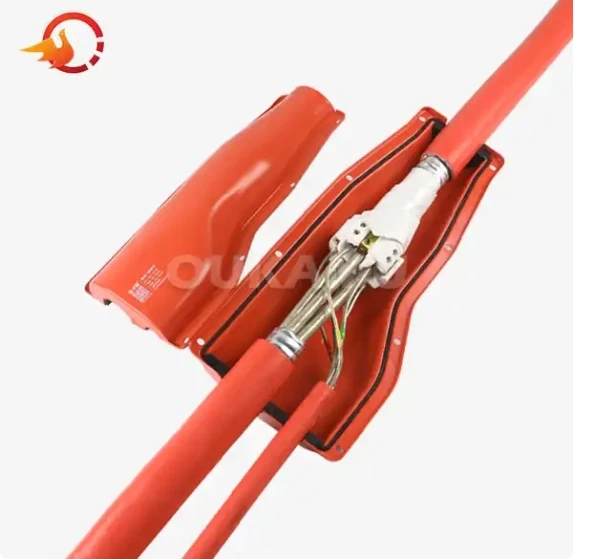

In today's world, armoured cables are essential in a wide range of industries, providing electrical power and connectivity in environments where safety, durability, and reliability are paramount. However, the integrity of these cables is highly dependent on the quality of their joints, particularly in harsh conditions. Waterproof armoured cable joints are specifically designed to protect cables from environmental factors such as moisture, extreme temperatures, and mechanical stress. In this guide, OUKAMU will explore the ins and outs of waterproof armoured cable joints, highlighting their importance, types, benefits, installation, and maintenance.
1. What Are Waterproof Armoured Cable Joints and Why Are They Important?
Waterproof armoured cable joints are specialized connectors that ensure the safe and efficient operation of armoured cables, particularly in wet or harsh environments. Armoured cables are designed with an outer metal layer (usually steel) that provides mechanical protection, but when these cables need to be spliced or extended, a reliable waterproof joint is crucial to maintaining the cable's integrity.
These joints help to prevent moisture ingress, which can lead to corrosion, electrical faults, and potentially dangerous situations. They also protect the internal conductors from damage due to physical stress, ensuring a secure electrical connection even in challenging environments. Whether used in outdoor installations, marine applications, or underground settings, waterproof armoured cable joints play an essential role in maintaining electrical safety and performance.
2. How Do Waterproof Armoured Cable Joints Work?
Waterproof armoured cable joints work by forming a secure connection between two cables while preventing water, dust, or other contaminants from entering the joint. The design typically involves a combination of mechanical sealing and electrical insulation, ensuring that the joint remains waterproof, robust, and reliable under various environmental conditions.
Key Components of a Waterproof Armoured Cable Joint:
- Sealing Mechanism: The sealing mechanism is the most critical feature of waterproof armoured cable joints. It ensures that moisture cannot penetrate the cable, protecting the conductors from water damage. This is typically achieved through the use of rubber gaskets, silicone seals, or heat-shrinkable materials that form an airtight and watertight seal around the cable.
- Compression Fittings: Compression fittings are used to securely attach the joint to the cable, preventing any movement that could cause stress on the cable or the joint itself. These fittings are often made of corrosion-resistant materials such as stainless steel.
- Insulating Materials: Insulating materials are incorporated to prevent electrical shorts and ensure the safety of the joint. These materials can include heat-shrink tubing, silicone rubber, and other high-performance insulators that provide both electrical and thermal protection.
- Protective Sleeves: In some designs, additional protective sleeves are used to shield the joint from external factors such as UV radiation, physical impact, or extreme temperatures. These sleeves further enhance the durability of the joint, ensuring long-lasting performance in challenging environments.
3. What Are the Different Types of Waterproof Armoured Cable Joints?
When selecting a waterproof armoured cable joint, it's important to choose the right type based on the application, environment, and specific needs of the electrical system. There are several types of waterproof armoured cable joints, each with its own advantages.
1. Heat-Shrink Joints:
Heat-shrink joints are one of the most common types of waterproof armoured cable joints. They consist of a heat-shrinkable sleeve that, when heated, contracts tightly around the cable, creating a waterproof seal. These joints are highly effective in protecting cables from moisture and environmental contaminants.
Advantages:
- Provides excellent waterproofing and mechanical protection.
- Easy to install with minimal tools.
- Suitable for a wide range of cable sizes and types.
Disadvantages:
- Installation requires a heat source, such as a heat gun, to shrink the sleeve properly.
- Not ideal for applications requiring frequent disconnections or modifications.
2. Gel-Filled Joints:
Gel-filled joints use a special gel compound to seal the connection and protect the cable from moisture and corrosion. The gel is typically a silicone or polyurethane-based substance that remains stable over time and provides excellent sealing properties.
Advantages:
- Superior moisture resistance.
- Ideal for harsh environments, including underground or marine installations.
- The gel provides both electrical insulation and waterproofing.
Disadvantages:
- Gel-filled joints can be messier to install compared to heat-shrink joints.
- Over time, the gel may require maintenance or replacement if it begins to degrade.
3. Compression Joints:
Compression joints involve the use of mechanical fittings to secure the cables together. These joints rely on the tight compression of the cables and joint components to form a waterproof seal. The compression joint may also be used in conjunction with insulating materials or sealing gels.
Advantages:
- Strong mechanical connection.
- Suitable for both indoor and outdoor use.
- Can be used with different types of cables.
Disadvantages:
- More complex to install compared to heat-shrink or gel-filled joints.
- Requires precise alignment to ensure a proper seal.
4. Straight-Through Joints:
Straight-through joints are designed to connect two cables end-to-end in a straight line, without altering the cable’s physical structure. These joints are often used in situations where minimal disruption to the cable is desired.
Advantages:
- Simple design that allows for easy cable extension.
- Ideal for long-term installations.
Disadvantages:
- Less suitable for applications where the joint may be subjected to mechanical stress or movement.
4. How Are Waterproof Armoured Cable Joints Installed?
The installation of waterproof armoured cable joints requires careful planning and execution to ensure that the joint functions properly and provides long-lasting protection. While the exact installation process can vary depending on the type of joint being used, there are several general steps that should be followed.
1. Prepare the Cables:
Before installing the joint, it's essential to prepare the cables by stripping the outer sheath and armouring carefully. The exposed wires and cores should be inspected to ensure they are in good condition. Any damaged sections should be replaced or repaired before proceeding.
2. Install the Joint Components:
Once the cables are prepared, the joint components can be assembled. This typically involves sliding a sealing sleeve or gel-filled tube over the exposed cable, followed by securing the compression fittings or heat-shrink sleeves. In the case of gel-filled joints, the gel is typically applied to the conductors before sealing them.
3. Ensure Proper Sealing:
For the joint to be waterproof, it's crucial to ensure a proper seal around the cable. This may involve using a heat gun to shrink the tubing, applying additional sealing material, or tightening compression fittings to the appropriate torque.
4. Test the Joint:
After the joint is installed, it should be tested for electrical continuity and insulation resistance to ensure there are no faults. A visual inspection of the joint should also be conducted to ensure that it is properly sealed and that there are no gaps or exposed wires.
5. How to Maintain Waterproof Armoured Cable Joints?
Maintaining waterproof armoured cable joints is essential for ensuring that they continue to function effectively over time. Regular inspection and maintenance can help detect early signs of wear and prevent potential issues before they become serious problems.
1. Inspect the Joint Regularly:
Regular inspections should be carried out to check for signs of damage, such as cracks, corrosion, or degradation of the joint materials. Pay particular attention to the sealing mechanisms, as these are critical for maintaining the waterproof properties of the joint.
2. Clean the Area Around the Joint:
Debris, dirt, or corrosive substances can accumulate around the joint over time, potentially compromising its waterproofing. Keeping the area around the joint clean can help prevent these issues. Be sure to clean the joint gently to avoid damaging any components.
3. Monitor for Moisture Ingress:
If you notice signs of moisture around the joint, it may indicate a problem with the sealing. This could be a result of physical damage, improper installation, or degradation of the joint materials. In such cases, the joint should be replaced or repaired as soon as possible.
4. Check for Electrical Issues:
Monitoring the electrical system for any signs of malfunction is essential. If there are issues such as increased resistance or voltage fluctuations, it may indicate that the joint has been
compromised.
Conclusion
Waterproof armoured cable joints are an essential part of maintaining the safety and integrity of electrical systems in harsh environments. They protect against moisture, corrosion, and physical stress, ensuring that cables continue to operate effectively even in challenging conditions. By understanding the different types of joints, their installation processes, and the necessary maintenance practices, you can ensure the longevity and reliability of your armoured cable installations.
Whether you are involved in infrastructure, residential, commercial, or industrial projects, choosing the right waterproof armoured cable joint is crucial to safeguarding your electrical systems. OUKAMU, with its innovative Branch Cable technology, continues to lead the way in providing cutting-edge solutions for cable connections. For more information or inquiries about our cable branch connection technology, please contact us at [email protected].
References:
- Cable Joints & Terminations: https://www.cablejoints.com
- Electrical Wiring and Joints: https://www.electrical-engineering-portal.com
- Cable Protection Solutions: https://www.cableprotectionsolutions.com
- Armoured Cable Installation Guidelines: https://www.armouredcableguidelines.com
- OUKAMU Official Website: https://www.okmbranchcable.com
Sign in to leave a comment.