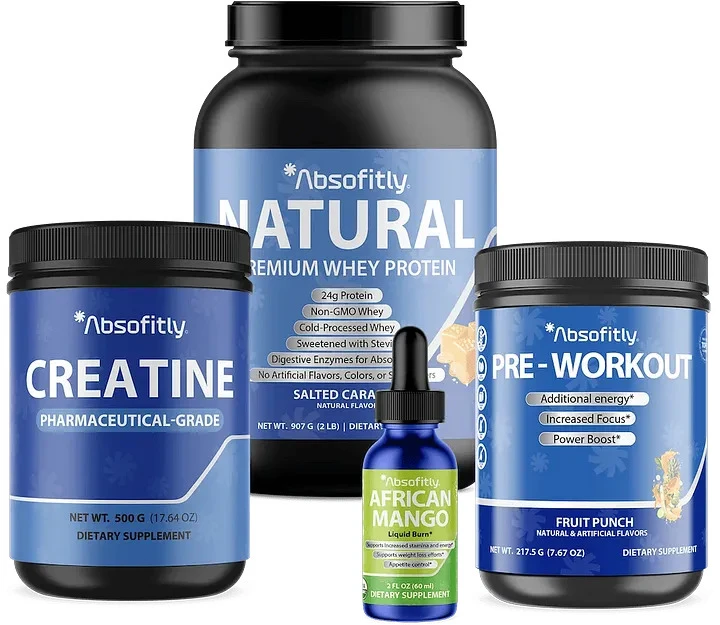

In today's fast-paced world, achieving and maintaining a healthy weight can be a challenging endeavor. Many individuals struggle with weight issues due to various factors such as sedentary lifestyles, unhealthy eating habits, and genetic predispositions. This has led to a growing interest in weight loss supplement programs as an adjunct to traditional weight loss methods. In this comprehensive guide, we will delve into the world of weight loss supplement programs, exploring their effectiveness, safety, and key considerations.
Understanding Weight Loss Supplement Programs
Weight loss supplement programs are designed to complement a balanced diet and regular physical activity to help individuals lose weight more effectively. These programs typically include the use of dietary supplements, which can come in various forms such as pills, powders, or liquids. The supplements often contain a combination of ingredients that are believed to support weight loss, including vitamins, minerals, herbs, and other bioactive compounds.
Effectiveness of Weight Loss Supplement Programs
Appetite Suppression: Many weight loss supplements claim to reduce appetite, helping individuals consume fewer calories. Ingredients like fiber, caffeine, and green tea extract are often used for this purpose.
Fat Burning: Some supplements are designed to enhance the body's fat-burning processes. Common ingredients in these supplements include caffeine, green coffee bean extract, and thermogenic compounds like capsaicin.
Metabolism Boost: Certain supplements aim to increase metabolic rate, leading to more calories burned at rest. Ingredients like B-vitamins and chromium are thought to support metabolism.
Nutrient Absorption: Weight loss supplements may also contain ingredients that inhibit the absorption of fat or carbohydrates, reducing calorie intake. Chitosan and white kidney bean extract are examples of such ingredients.
Energy Boost: To combat fatigue often associated with calorie-restricted diets, some supplements contain stimulants like caffeine to provide an energy boost.
It's important to note that the effectiveness of weight loss supplements can vary widely, and not all products on the market deliver the promised results. Additionally, individual responses to these supplements can differ, making it essential to approach them with caution.
Safety Considerations
While some weight loss supplements can be effective when used appropriately, safety should be a top priority. Here are some key safety considerations:
Consult a Healthcare Professional: Before starting any weight loss supplement program, it's advisable to consult with a healthcare provider. They can evaluate your individual health status and provide guidance on suitable supplements.
Check for FDA Approval: Look for supplements that have been reviewed and approved by the U.S. Food and Drug Administration (FDA). While approval does not guarantee effectiveness, it ensures a certain level of safety and quality control.
Read Labels Carefully: Examine the ingredients list and dosage instructions on supplement labels. Avoid products with undisclosed or potentially harmful ingredients.
Monitor for Side Effects: Be vigilant for any adverse effects such as jitteriness, increased heart rate, digestive issues, or allergic reactions. Discontinue use if you experience any negative side effects.
Avoid Unsubstantiated Claims: Beware of supplements that make extravagant claims about rapid weight loss with no effort. If it sounds too good to be true, it probably is.
Be Cautious of Long-Term Use: Weight loss supplements are not intended for long-term use. They are best used as a short-term aid in combination with a healthy diet and exercise.
Consider the Whole Picture: Remember that supplements are just one piece of the weight loss puzzle. A holistic approach, including a balanced diet and regular physical activity, is essential for sustainable results.
Key Ingredients in Weight Loss Supplements
Weight loss supplements often contain a variety of ingredients, each with its own purported benefits. Here are some common ingredients and their potential effects:
Green Tea Extract: Rich in antioxidants and catechins, green tea extract is believed to boost metabolism and promote fat oxidation.
Garcinia Cambogia: This tropical fruit extract is thought to inhibit fat production and reduce appetite.
Caffeine: A well-known stimulant, caffeine can increase alertness, energy expenditure, and fat burning.
Conjugated Linoleic Acid (CLA): CLA is believed to reduce body fat and improve lean body mass.
Raspberry Ketones: These compounds are claimed to increase the breakdown of fat.
5-HTP: 5-Hydroxytryptophan is thought to suppress appetite and promote feelings of fullness.
Forskolin: Derived from the root of the Coleus forskohlii plant, forskolin is believed to increase cAMP levels, which can lead to increased fat breakdown.
Chromium Picolinate: Chromium is thought to improve insulin sensitivity and regulate blood sugar levels.
It's important to note that scientific evidence supporting the effectiveness of these ingredients in weight loss is often mixed or limited. Furthermore, the safety and efficacy of these ingredients can vary depending on the specific formulation and dosage.
Choosing the Right Weight Loss Supplement Program
Selecting the right weight loss supplement program can be a daunting task with countless options available. Here are some tips to help you make an informed decision:
Research Thoroughly: Take the time to research different products and their ingredients. Look for reputable brands with transparent labeling.
Consult a Healthcare Provider: Seek guidance from a healthcare professional or registered dietitian who can recommend a program tailored to your individual needs and health status.
Consider Your Goals: Define your weight loss goals and choose a program that aligns with them. Some programs may focus on rapid weight loss, while others prioritize gradual and sustainable changes.
Read Customer Reviews: While not foolproof, reading customer reviews and testimonials can provide insights into a product's effectiveness and potential side effects.
Start Slowly: If you decide to try a weight loss supplement program, start with a lower dosage to assess your tolerance and minimize potential side effects.
Monitor Progress: Keep track of your progress while using the program. If you're not seeing the desired results or experience adverse effects, discontinue use and consult a healthcare professional.
Combine with Lifestyle Changes: Remember that no supplement can replace a healthy diet and regular exercise. For the best results, use supplements as a complement to a balanced lifestyle.
Conclusion
Weight loss supplement programs can be a useful tool for individuals looking to shed excess pounds, but they should be approached with caution and careful consideration. While some supplements may offer benefits in terms of appetite suppression, fat burning, or metabolism boost, their effectiveness and safety can vary.
Before starting any weight loss supplement program, it's crucial to consult with a healthcare professional to ensure it aligns with your health goals and individual needs. Additionally, always prioritize a holistic approach to weight management, including a balanced diet, regular physical activity, and lifestyle changes for long-term success. Weight loss is a journey, and the most sustainable results come from healthy habits that are maintained over time.











Sign in to leave a comment.