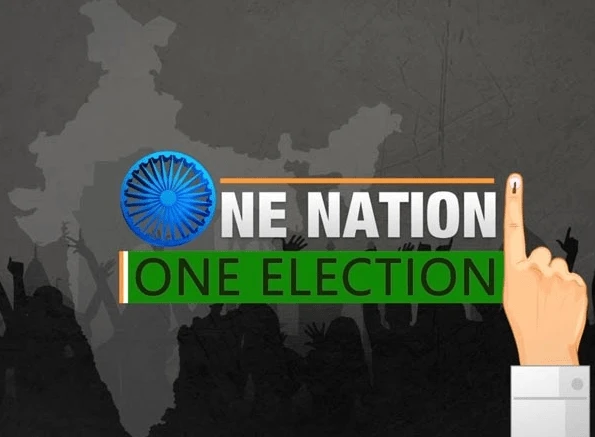

The concept of "One Nation One Election" has been a subject of considerable debate and discussion in the political landscape. At its core, this proposition advocates synchronizing the Lok Sabha and state assembly elections to ensure that they are held simultaneously across the country. Proponents argue that this move could bring about numerous advantages, primarily in terms of reducing the frequency of elections, curbing political expenditures, and fostering better governance. However, as with any significant policy change, there are notable pros and cons to be carefully considered.
On the positive side, proponents contend that conducting elections concurrently at the national and state levels would reduce the burden on the electoral machinery, minimizing the disruptive impact on governance. This synchronization could lead to a more stable political environment, allowing elected officials to focus on policy implementation rather than being in perpetual campaign mode. Additionally, the financial savings resulting from fewer elections could be substantial, potentially freeing up resources for critical developmental projects. Supporters argue that One Nation One Election might enhance voter turnout by eliminating voter fatigue associated with frequent polls, thereby strengthening the democratic process.
However, critics of the proposal express concerns about the potential erosion of federalism, a fundamental tenet of the Indian Constitution. They argue that state-specific issues may be overshadowed by national concerns during simultaneous elections, diluting the regional voices that are crucial in a diverse and vast country like India. Furthermore, the logistical challenges of organizing such massive synchronized elections, considering the vast geographical and cultural differences across states, could be daunting. Skeptics also point out that the political landscape is dynamic, and holding elections at different times allows for course corrections based on changing circumstances, which may be sacrificed in a One Nation One Election scenario.
Another crucial aspect to consider is the impact on smaller regional parties. Critics fear that simultaneous elections could disadvantage regional parties, as national issues might dominate the narrative, making it difficult for regional concerns to gain prominence. This could potentially lead to a more centralized political landscape, diminishing the diversity of voices within the democratic framework. On the flip side, proponents argue that synchronized elections could encourage a more robust two-party system, providing voters with clearer choices and strengthening political stability.
In conclusion, the concept of One Nation One Election is indeed an uncharted territory with both potential benefits and pitfalls. Striking a balance between the advantages of reduced election-related disruptions and financial savings, and the potential risks to federalism and regional representation, is a complex challenge. As India continues to evolve as a vibrant democracy, a thorough and inclusive deliberation on the pros and cons of this proposition is essential before any decisive steps are taken towards implementing such a significant electoral reform.





































Sign in to leave a comment.