
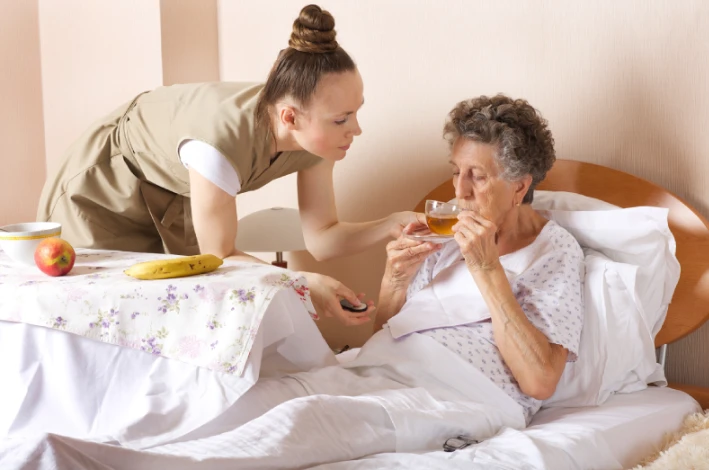
Community nursing care is a vital aspect of the healthcare system that plays a crucial role in promoting health and wellness. Community care nursing involves providing preventive, therapeutic, and rehabilitative care to individuals, families, and groups in their homes, clinics, and community settings. In this article, we will explore the importance of community nursing care and how it supports the health and wellness of individuals and communities.
What is Community Nursing Care? Community nursing care is a branch of nursing that focuses on providing healthcare services to individuals, families, and communities in their homes, clinics, and community settings. Community nurses work with a diverse range of patients, including infants, children, adults, and the elderly, to provide preventive care, manage chronic conditions, and promote overall health and wellness. Community nursing care involves a holistic approach to care that takes into account the physical, emotional, and social needs of patients.
Benefits of Community Nursing Care: Community nursing care offers several benefits that contribute to the health and wellness of individuals and communities. Some of the benefits of community nursing care include:
Improved Access to Healthcare Services: Community nursing care provides healthcare services to patients in their homes, clinics, and community settings. This makes healthcare more accessible to individuals who may have difficulty accessing healthcare services due to mobility issues, transportation barriers, or other factors.Preventive Care: Community nursing care focuses on preventive care, which helps individuals maintain good health and prevent the development of chronic conditions. This includes health education, immunizations, and screening for early detection of diseases.Chronic Condition Management: Community nursing care provides ongoing care and support for individuals with chronic conditions such as diabetes, hypertension, and heart disease. This includes medication management, monitoring symptoms, and providing education on self-care.Support for Family Caregivers: Community nursing care provides support and education to family caregivers, who often play a crucial role in the care of individuals with chronic conditions or disabilities.Community Building: Community nursing care helps to build strong and healthy communities by promoting health and wellness and providing support and resources to individuals and families.Challenges of Community Nursing Care:
Community nursing care can be challenging due to various factors. Here are some of the challenges faced by community nurses:
Wide-ranging Responsibilities: Community nurses have to deal with a wide range of responsibilities, including patient care, case management, health promotion, and disease prevention. This diversity of responsibilities can be overwhelming and requires a great deal of organization and time management skills.Limited Resources: Community nurses often work in underfunded healthcare systems, which can lead to a shortage of resources such as equipment, supplies, and personnel. This can make it challenging to provide the level of care required by patients.Complex Patient Needs: Community nurses work with patients who have complex needs, such as chronic illnesses, mental health issues, and disabilities. Providing care for these patients requires specialized knowledge and skills.Isolation: Community nursing can be a solitary profession, with nurses often working independently in remote or rural areas. This can lead to feelings of isolation and make it difficult for nurses to access support and resources.Safety Concerns: Community nurses work in a variety of settings, including patients' homes and public areas. This can expose them to safety risks such as violence, infectious diseases, and environmental hazards.Cultural and Language Barriers: Community nurses work with patients from diverse cultural and linguistic backgrounds. This can make it challenging to communicate effectively and provide culturally appropriate care.Limited Access to Technology: Community nurses may not have access to the latest technology and information systems, which can make it difficult to access patient records and communicate with other healthcare providers.Overall, community nursing requires a high degree of adaptability, flexibility, and resilience to meet the challenges posed by the diverse needs of patients and communities.
Community Nursing Care and the National Disability Insurance Scheme (NDIS)
The National Disability Insurance Scheme (NDIS) is an Australian government-funded initiative that provides funding and support for people with disabilities, their families, and carers. The NDIS aims to empower individuals with disabilities to live more independently and participate in their communities.
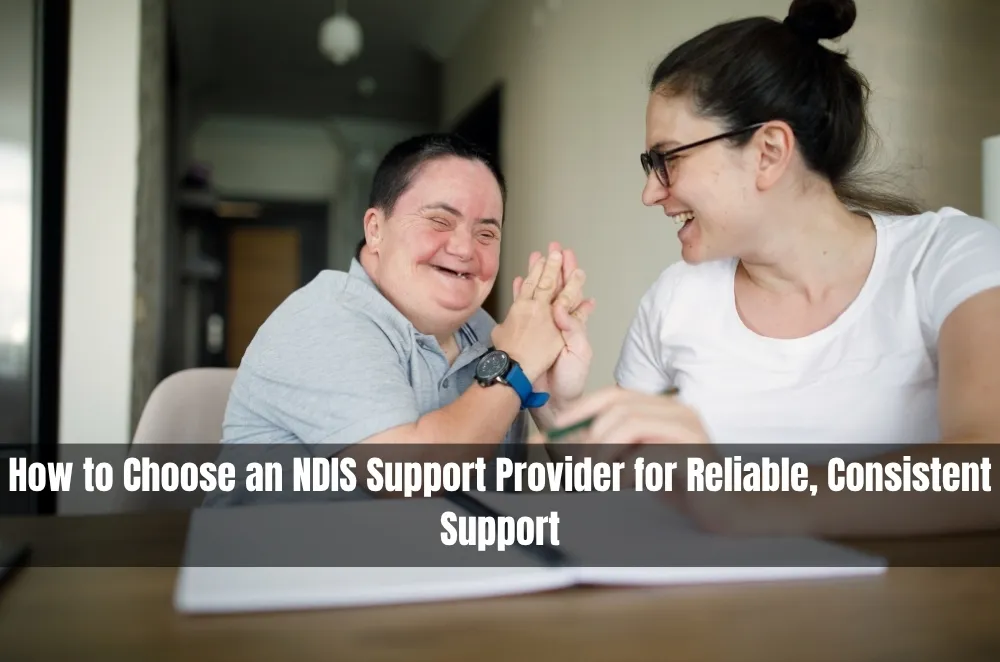
Community nursing care plays a vital role in supporting people with disabilities and their families under the NDIS. In this article, we will explore the benefits of community nursing care in the context of the NDIS, and the challenges faced by community nurses in delivering care to people with disabilities.
Benefits of Community Nursing Care under the NDIS
Personalized Care
Community nursing care under the NDIS is highly personalized, with nurses working closely with individuals with disabilities to develop care plans tailored to their specific needs. The NDIS recognizes that people with disabilities have unique requirements, and community nurses play a critical role in ensuring that these needs are met.
Enhanced Quality of Life
Community nursing care NDIS can significantly enhance the quality of life for people with disabilities. Nurses work with individuals to develop care plans that address their physical, emotional, and social needs, helping them to live more independently and participate more fully in their communities.
Improved Health Outcomes
Community nursing care under the NDIS can lead to improved health outcomes for people with disabilities. Nurses can provide ongoing support for individuals with chronic conditions, including wound care, medication management, and symptom control. This can help to prevent hospitalizations and improve the overall health and well-being of individuals.


























Sign in to leave a comment.