
Mental health recovery is often associated with traditional treatments such as medication, psychotherapy, and psychiatric care. While these approaches remain essential for many individuals, mental health professionals increasingly recognize the value of holistic therapies in supporting long-term recovery and overall well-being.
Holistic therapies focus on treating the whole person rather than addressing symptoms alone. They consider the connection between the mind, body, emotions, and lifestyle factors that influence mental health.
When used alongside evidence-based medical and psychological treatments, holistic approaches can help individuals build healthier coping mechanisms, reduce stress, and improve their quality of life. Understanding the different holistic therapies available can help individuals make informed decisions about their recovery journey.
What Are Holistic Therapies?
Holistic therapies are complementary treatment methods designed to support physical, emotional, psychological, and social well-being. Unlike conventional treatments that may focus primarily on symptoms, holistic approaches aim to improve overall balance and wellness.
These therapies are not intended to replace professional mental health treatment. Instead, they are often used alongside counseling, psychiatric care, and rehabilitation programs to create a more comprehensive recovery plan.
Many mental health professionals recommend holistic therapies because they can help individuals manage stress, improve self-awareness, and develop healthier daily routines.
1. Mindfulness Meditation
Mindfulness meditation has become one of the most widely recognized holistic approaches for mental wellness.
The practice involves focusing attention on the present moment without judgment. By learning to observe thoughts and emotions rather than reacting automatically, individuals can develop greater emotional control and self-awareness.
Potential benefits of mindfulness meditation include:
- Reduced stress and anxiety
- Improved emotional regulation
- Better concentration
- Increased self-awareness
- Enhanced resilience during difficult situations
Regular mindfulness practice can be particularly beneficial for individuals experiencing anxiety disorders, depression, or chronic stress.
2. Yoga for Mental Well-Being
Yoga combines physical movement, breathing techniques, and mindfulness practices.
Research has shown that yoga may help reduce symptoms of anxiety, depression, and emotional distress by promoting relaxation and lowering stress hormone levels.
Mental health benefits of yoga may include:
- Reduced anxiety levels
- Improved mood
- Better sleep quality
- Enhanced stress management
- Increased physical and emotional balance
Because yoga encourages both physical and mental engagement, it has become a common component of many mental health recovery programs.
3. Art Therapy
Not everyone finds it easy to express emotions through words.
Art therapy provides a creative outlet that allows individuals to communicate feelings, experiences, and challenges through artistic expression. Activities may include drawing, painting, sculpting, or other forms of creative work.
Art therapy can help:
- Improve emotional expression
- Reduce stress
- Build self-confidence
- Process difficult experiences
- Encourage self-discovery
The focus is not on artistic skill but rather on using creativity as a tool for healing and personal growth.
4. Music Therapy
Music has a unique ability to influence emotions and mental states.
Music therapy uses structured musical activities to support psychological well-being and emotional healing. Sessions may involve listening to music, singing, songwriting, or playing instruments under professional guidance.
Potential benefits include:
- Reduced anxiety
- Improved mood
- Better emotional expression
- Increased social engagement
- Enhanced relaxation
Many individuals find music therapy especially helpful during periods of emotional distress or recovery from trauma.
5. Physical Exercise and Fitness Programs
Physical activity plays a significant role in mental health recovery.
Exercise stimulates the release of endorphins and other chemicals that contribute to improved mood and emotional stability. Regular physical activity can also reduce symptoms of anxiety and depression while improving overall health.
Benefits of exercise for mental health include:
- Stress reduction
- Improved self-esteem
- Better sleep
- Increased energy levels
- Enhanced emotional resilience
Activities such as walking, swimming, cycling, strength training, and group fitness classes can all contribute to mental wellness.
6. Breathing and Relaxation Techniques
Stress often triggers physical reactions such as rapid breathing, increased heart rate, and muscle tension.
Breathing exercises help calm the nervous system and promote relaxation. Techniques such as deep breathing, diaphragmatic breathing, and progressive muscle relaxation are commonly used in mental health recovery programs.
Regular practice may help individuals:
- Manage anxiety symptoms
- Reduce stress levels
- Improve focus
- Enhance emotional control
- Support relaxation during challenging situations
These techniques are simple, accessible, and easy to incorporate into daily routines.
7. Nature and Outdoor Therapy
Spending time in natural environments can have a positive impact on mental well-being.
Nature-based therapies encourage individuals to connect with outdoor surroundings through activities such as walking, gardening, hiking, or mindfulness exercises in natural settings.
Potential benefits include:
- Reduced stress
- Improved mood
- Enhanced relaxation
- Greater mental clarity
- Increased feelings of connection and well-being
Even short periods spent outdoors can support emotional recovery and reduce mental fatigue.
8. Journaling and Reflective Writing
Writing can be a powerful tool for self-reflection and emotional processing.
Journaling allows individuals to explore thoughts, identify patterns, and gain insight into their emotional experiences. Many therapists encourage reflective writing as part of a broader recovery strategy.
Benefits of journaling may include:
- Improved self-awareness
- Better emotional expression
- Stress reduction
- Enhanced problem-solving skills
- Greater understanding of personal triggers
Over time, journaling can help individuals track progress and recognize positive changes in their mental health journey.
The Importance of Combining Holistic and Clinical Care
While holistic therapies offer valuable support, they are most effective when integrated with professional mental health treatment.
Conditions such as major depression, bipolar disorder, schizophrenia, severe anxiety disorders, and trauma-related conditions often require medical evaluation and evidence-based interventions. Holistic approaches should complement—not replace—appropriate psychiatric and psychological care.
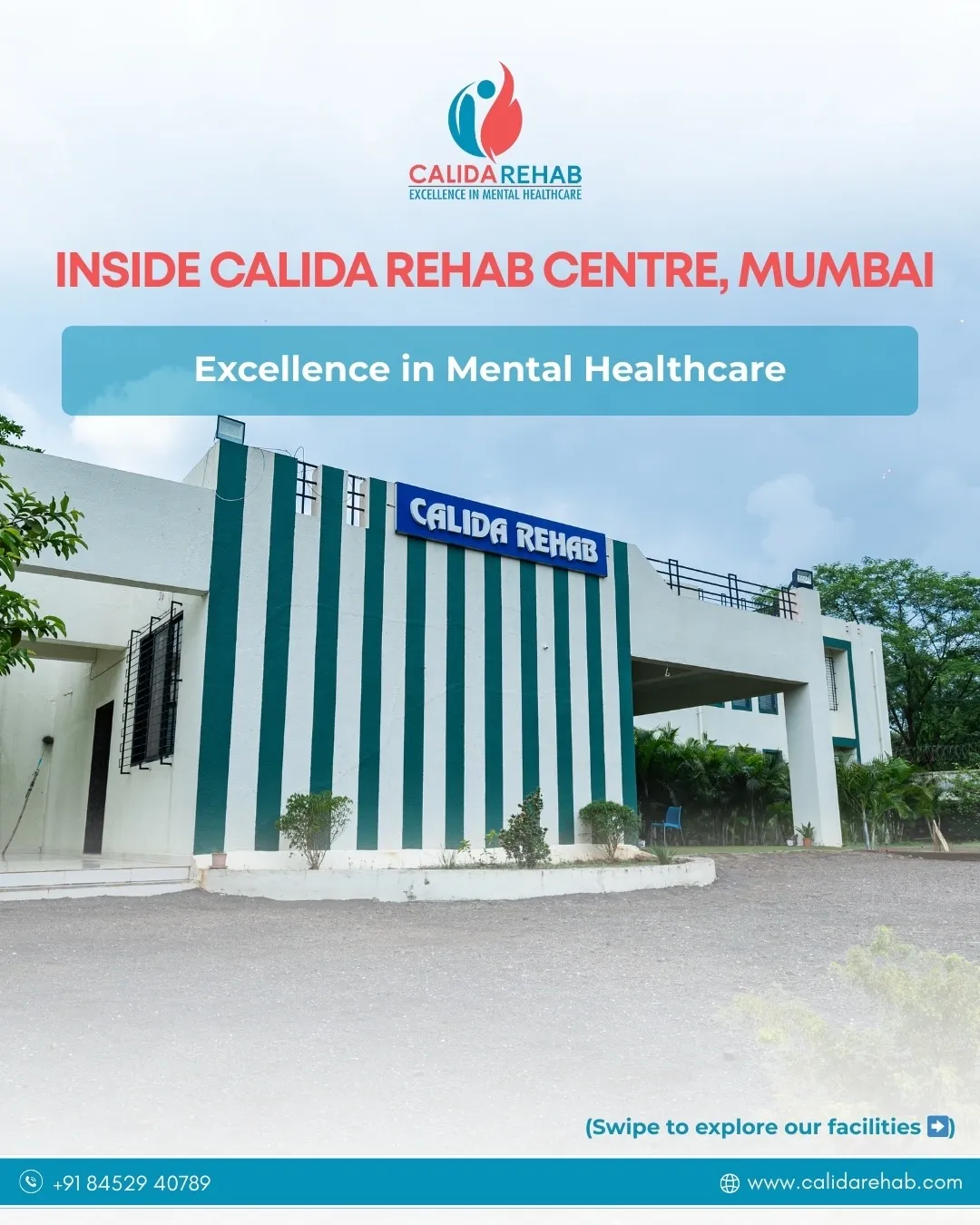
Many modern mental health facilities now incorporate holistic therapies into comprehensive treatment plans. For example, rehabilitation and mental health centers such as Calida Rehab combine traditional therapeutic approaches with wellness-focused activities like mindfulness practices, yoga, fitness programs, and emotional skill development to support overall recovery.
Conclusion
Mental health recovery involves much more than managing symptoms. True healing often requires attention to emotional, physical, and psychological well-being. Holistic therapies provide additional tools that can help individuals develop healthier coping strategies, improve resilience, and enhance their overall quality of life.
Whether through mindfulness meditation, yoga, art therapy, exercise, or nature-based activities, holistic approaches can play an important role in supporting long-term mental wellness. When combined with professional treatment and ongoing support, these therapies can contribute to a more balanced and sustainable recovery journey.




























Sign in to leave a comment.