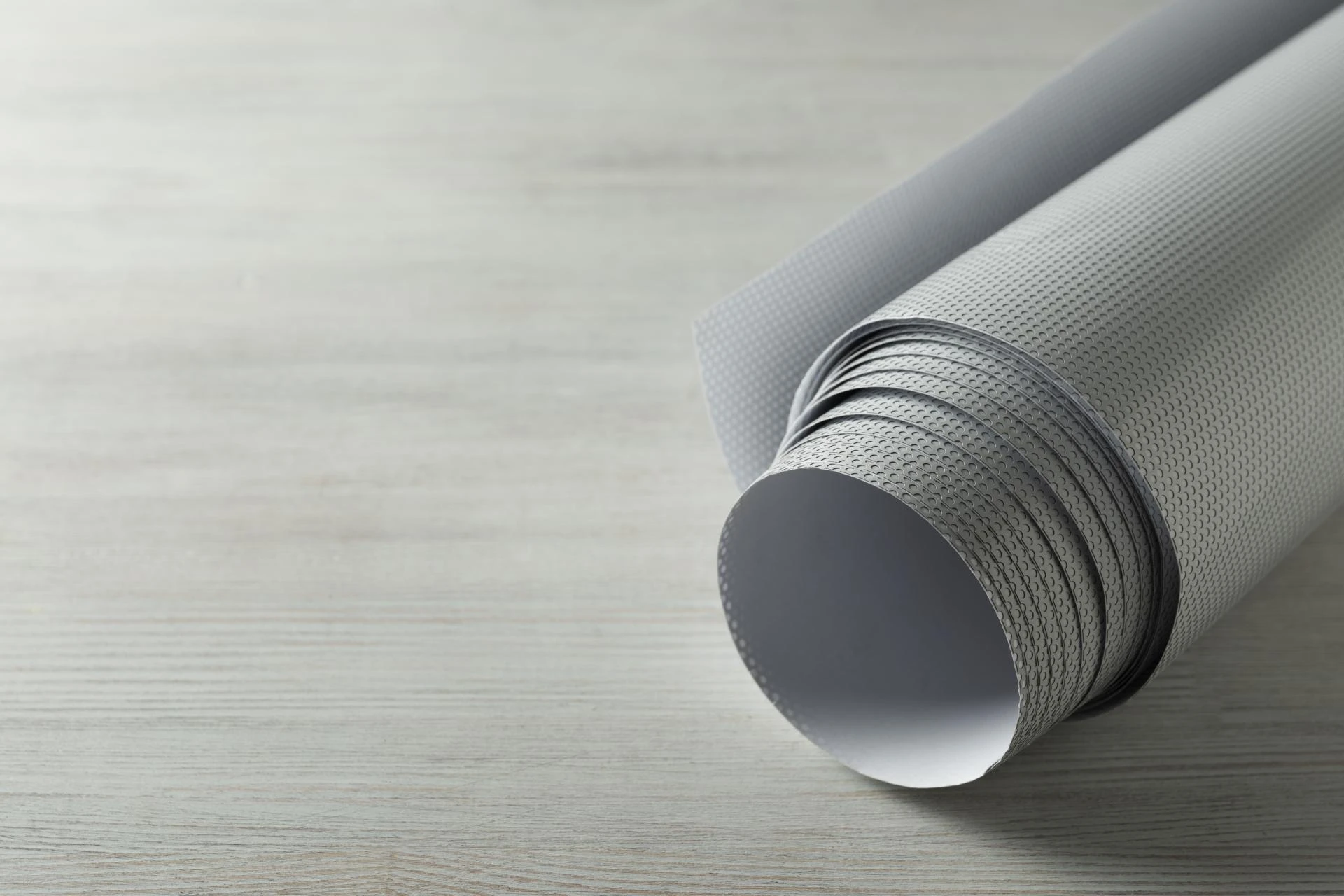

Lamination plays a crucial role in protecting printed materials, enhancing appearance, and increasing durability. But when choosing between thermal and cold laminating roll film, many businesses and print professionals get confused.
Both types of laminating film serve different purposes, and selecting the right one can improve print quality, reduce waste, and save costs in the long run.
In this guide, we’ll compare thermal and cold lamination clearly so you can make the right choice for your application.
What Is Laminating Roll Film?
Laminating roll film is a thin plastic film applied over printed material to protect it from:
- Moisture
- Dirt and dust
- Scratches
- Fading
- Tearing
It is widely used for:
- Documents
- Posters
- Menus
- Certificates
- Packaging
- Signage
- ID cards
Most laminating roll film suppliers offer both thermal and cold lamination options in glossy and matte laminating film finishes.
What Is Thermal Laminating Film?
Thermal laminating film uses heat-activated adhesive. The film bonds to paper when passed through a heated laminating machine.
Key Features
- Requires heat
- Strong bonding
- Smooth professional finish
- Available in glossy and matte types
- High durability
What Is Cold Laminating Film?
Cold laminating film uses pressure-sensitive adhesive and does not require heat.
Key Features
- No heat needed
- Suitable for heat-sensitive materials
- Easy to apply manually or with cold laminators
- Ideal for vinyl and inkjet prints
When to Choose Thermal Laminating Roll Film
Choose thermal lamination if you:
✔ Print in high volumes
✔ Laminate documents, books, menus, certificates
✔ Want long-term durability
✔ Need cost-effective production
✔ Use offset or laser prints
Thermal lamination is commonly used by commercial printers and educational institutions.
When to Choose Cold Laminating Film
Choose cold laminating film if you:
✔ Work with inkjet prints or vinyl graphics
✔ Laminate photos or sensitive media
✔ Apply lamination to signage
✔ Want bubble-free surface on flexible materials
✔ Don’t have a heated laminator
Cold lamination is popular in signage, advertising, and vehicle graphics.
Gloss vs Matte Laminating Film
Both thermal and cold films are available in:
Gloss Laminating Film
- Shiny finish
- Enhances colors
- Great for posters & marketing material
Matte Laminating Film
- Non-reflective surface
- Premium look
- Reduces glare
- Ideal for menus, brochures, book covers, and luxury packaging
Many laminating roll film suppliers offer matte laminating film for both thermal and cold processes.
Cost Comparison
- Thermal laminating film → More affordable, economical for bulk use
- Cold laminating film → Higher cost due to special adhesive
If budget matters, thermal lamination is usually the better option.
Common Mistakes to Avoid
❌ Using thermal film on inkjet prints
❌ Cold laminating low-cost paper documents
❌ Wrong temperature settings
❌ Poor storage of laminating rolls
❌ Buying low-quality film from unknown suppliers
Always buy from reliable laminating roll film suppliers to ensure consistent quality.
How to Choose the Right Laminating Film
Ask yourself:
- What material am I laminating?
- Is it heat sensitive?
- What finish do I need – gloss or matte?
- Is durability important?
- What is my budget?
- What machine do I have?
Your answers will clearly point to thermal or cold lamination.
Final Verdict
Thermal Laminating Film is best for:
- Documents
- Books
- Certificates
- Office use
- Bulk commercial printing
Cold Laminating Film is best for:
- Vinyl graphics
- Signage
- Photos
- Inkjet prints
- Advertising displays
There is no “one best” option — only the right laminating film for your specific application.

























Sign in to leave a comment.