
Selecting the right air conditioner for your home involves more than just choosing a brand or cooling capacity. The correct decision can lead to long-term savings, improved indoor comfort, and efficient operation year after year. With numerous models, features, and types available today, it’s important to consider both the technical and practical aspects of air conditioning before making a purchase.
Whether you're upgrading your old unit or purchasing one for a new space, here are the key factors to consider when choosing an air conditioner for your home.
1. Room Size and Tonnage
The most basic starting point is understanding the size of the space you want to cool. Tonnage refers to the cooling capacity of an air conditioner. Undersized units will struggle to maintain temperature, leading to inefficiency and higher energy bills. Oversized ones may cool too quickly without dehumidifying effectively, resulting in an uncomfortable chill.
To determine the correct tonnage, consider the room’s square footage, ceiling height, number of windows, sun exposure, and average occupancy. For multi-room setups or open layouts, a centralized system or multiple units may be more effective than a single, oversized AC.
2. Type of Air Conditioner
There are three main types of air conditioners to choose from:
. Split ACs: Comprising an indoor and outdoor unit, these are ideal for individual rooms. They offer quiet operation, good cooling efficiency, and are more visually appealing.
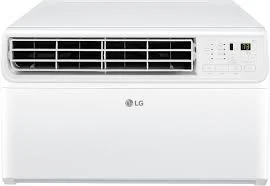
. Window ACs: These are compact units that fit into a window frame or wall opening. While more affordable and easier to install, they may be noisier and less energy efficient.
. Portable ACs: Useful in spaces where permanent installation isn’t possible. However, they tend to be less effective for larger areas and require manual draining or venting.
Your choice depends on installation flexibility, space limitations, and cooling needs.
3. Energy Efficiency and Star Ratings
Air conditioners consume a significant amount of electricity, especially in peak summer months. Energy efficiency ratings (usually denoted by stars) give you a quick estimate of a unit’s performance relative to its power consumption.
Higher star-rated units generally have a higher upfront cost but help reduce ongoing electricity bills. Many modern ACs also use inverter technology, which adjusts the compressor speed based on cooling demand—resulting in better efficiency, quieter performance, and less wear and tear.
If you use the air conditioner frequently, investing in a more efficient model will typically pay off over time.
4. Air Quality and Filtration
Indoor air quality is an increasingly important consideration. Many ACs now include filters to remove dust, allergens, bacteria, and even odours. Some also come with built-in air purifiers or ionisers.
If someone in your home has allergies, respiratory conditions, or sensitivities, prioritize a unit with a multi-layer filter system. However, it’s also important to clean or replace these filters regularly to maintain performance.
5. Noise Levels
Noise can be a deciding factor, especially if the AC is for a bedroom or study. While most split systems operate quietly, some window and portable units can be noticeably louder. Always check the noise level specifications in decibels (dB) and compare across models.
Also, consider the compressor placement. Outdoor units placed near windows or balconies should be installed with adequate isolation to avoid vibration noise.
6. Installation and Maintenance
Professional installation is essential for optimal performance. Ensure that the installer checks for correct placement, adequate airflow clearance, and proper drainage. A poorly installed unit can suffer from cooling loss, water leakage, or increased energy consumption.
Post-installation, easy access to filters and outdoor units can reduce the hassle of regular maintenance. Some models also come with self-cleaning functions or indicators that notify you when service is due.
Conclusion
Buying an air conditioner is a long-term investment that requires balancing performance, efficiency, and comfort. By considering factors like room size, type of AC, energy consumption, and air quality features, you can choose a unit that meets your daily cooling needs without overburdening your utility bills. Making an informed choice now can result in years of hassle-free operation and a more comfortable home environment.































Sign in to leave a comment.