
A solar power system has many components that work together to provide clean energy. One crucial component is the inverter, which converts the Direct Current (DC) electricity produced by solar panels into Alternating Current (AC) electricity.
A top solar company will offer a manufacturer warranty and power production guarantee. These warranties protect the equipment from manufacturing defects and installation mistakes.
Solar Panels
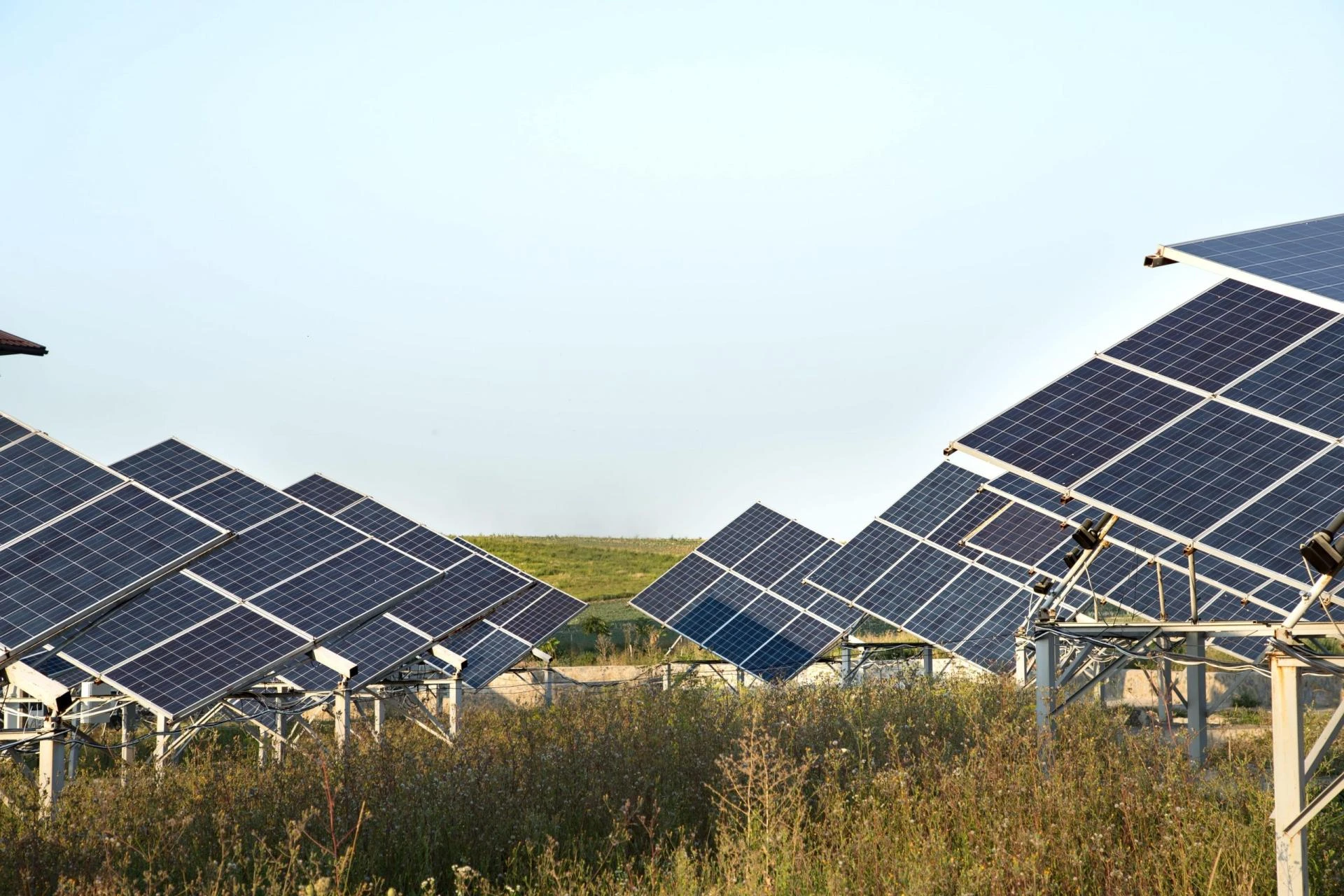
The solar panels that generate the electricity for your home are called modules and are comprised of a grid of solar cells laminated to glass. The cells are bonded together with a 'back sheet' that is either polymer (usually ethylene vinyl acetate) or PVF - often called ‘Tedlar’ by many manufacturers.
The backsheet serves as a moisture barrier and protects the electrical wiring inside the panel. Depending on the manufacturer, an aluminium frame that can be screwed, glued or clamped to the backsheet is also used to provide stiffness and strength.
The electrical contacts that interconnect the cells are known as busbars. Most modern crystalline silicon solar panels contain only traces of lead in the solder that connects them. These are being replaced by more environmentally friendly busbar compression joining techniques and conductive paste materials.
Inverters
The inverter is the heart of your solar system. It converts DC power from your solar panels to AC electricity that is used throughout your home. It also monitors your solar array’s productivity to identify issues that may be slowing down output.
New smart inverters communicate with the grid to carry out grid-supportive tasks, such as frequency change management, voltage control, and software and controls. This ensures that line workers who are working on the grid will not be injured by sudden changes in voltage.
Microinverters allow each panel to function independently, so if one panel is shaded by a tree or has lost efficiency, it doesn’t affect the other panels. Additionally, these inverters are safer for sensitive equipment and reduce phantom loads that consume energy while still being active.
Batteries
A battery is a source of electrical power that converts chemical energy directly into electrical energy. It consists of some number of electrochemical cells that are connected in series. Each half-cell contains an electrode and a conductive electrolyte in which metal cations migrate.
They come in all shapes and sizes, from the tiny cell used to power hearing aid remote controls to the huge block-shaped batteries that provide backup power for telephone exchanges and computer data centers. Some batteries can be recharged, while others are single-use and must be discarded after their energy is depleted.
If you need more power than one battery can provide, you can connect them in parallel (adding more than one to a circuit) or in series (adding batteries to increase voltage). It is important that all batteries connected in parallel or in series have the same nominal voltage or a short circuit could occur.
Chargers
Solar battery chargers are great for keeping your devices charged on the go. They can also help you save on your electricity bill if you use them with solar panels to recharge.
The best solar chargers have high-capacity batteries and USB ports that deliver fast charging. They also have sturdy, lightweight housings that protect the batteries from extreme weather conditions and from thieves.
Some solar battery chargers come with blocking diodes pre-installed that prevent battery discharge in low-light conditions. They may also include a charge controller to optimize the performance of your solar panel and battery. If you have a utility with net metering, these chargers allow you to feed energy back into the grid at night. They also allow you to take advantage of TOU rates for electric vehicles.
Mounting
With wiring & electrical done, it’s time to mount your solar panels. For roof mounting, you can choose between rail mounts that secure to rafters or ballasted mounts which sit on the ground and are secured by weight.
All racking and mounting products must meet strict guidelines to ensure durability & structural integrity. Using subpar equipment could lead to damage during high winds or weather events.
To get started, set your piers (remember that it takes up to 21 days for concrete to cure). Then install the module clamps and rails. Make sure your racking report is handy during this step, as it will specify rail size & spacing. Make sure all the pieces are tightened to the specified torque. This will prevent premature failure.








Sign in to leave a comment.