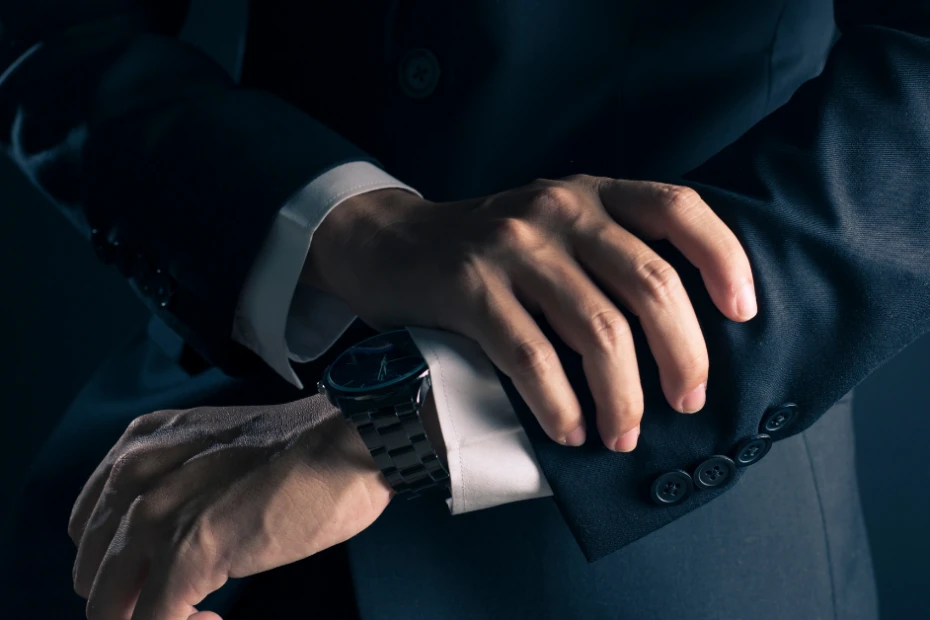

A Rolex is not just a watch. It is an investment that sits on your wrist. Unlike cars that lose value the moment they leave the showroom, a well-maintained Rolex often appreciates over time. Many South Africans have these watches tucked away in safes, passed down through generations, or bought during flush times. When circumstances change and that watch needs to become cash, knowing how the process works makes all the difference.
Why People Sell Their Rolex Watches
The reasons for selling vary. Sometimes it is financial pressure. Medical emergencies, business troubles, or unexpected expenses create situations where liquid funds matter more than a luxury item in a drawer. A Rolex can provide a significant cash injection when needed most.
Divorce and estate settlements account for many sales. Assets need to be divided, and converting a watch to money simplifies the process. Heirs who receive a Rolex may prefer cash they can use or split with siblings.
Some sellers simply no longer wear the watch. A piece that once marked a milestone or achievement now sits untouched. Styles change. Lifestyles shift. A watch that does not get worn is not serving any purpose.
Collectors sell to upgrade. The proceeds from one Rolex fund the purchase of another. Moving from a standard model to a rare vintage piece requires capital, and selling makes the jump possible.
The desire to sell my Rolex often begins with wondering what the watch is actually worth. The answer usually surprises people. Watches bought ten or twenty years ago for modest sums can now fetch impressive amounts.
What Makes a Rolex Valuable
Brand reputation drives much of the value. Rolex has spent over a century building its name. The watches are made to exceptional standards, with in-house movements and quality materials. This craftsmanship holds up over decades.
Scarcity plays a role. Rolex limits production and keeps supply tight. Popular models like the Submariner, Daytona, and GMT-Master have waiting lists at dealers stretching years into the future. Buyers who cannot wait turn to the pre-owned market, driving up prices.
Condition affects what a watch will fetch. A piece with minimal wear, original parts, and no damage commands better prices than one that shows heavy use. Scratches, dents, and replaced components reduce value.
Documentation adds a premium. The original box, papers, warranty card, and purchase receipt make a complete set. Buyers pay more for watches with full documentation. The paperwork proves authenticity and establishes history.
Model and age create collector interest. Certain references from specific production years attract enthusiasts willing to pay well above standard market rates. Dial variations, bezel types, and other details that seem minor can significantly affect value.
Finding the Right Buyer
Not all buyers offer the same prices or provide the same experience. Shopping around protects against leaving money on the table.
Rolex watch buyers who specialise in luxury timepieces typically offer better prices than generalist buyers. Their expertise means they know exactly what a watch is worth and can move it quickly to their customer base. This efficiency allows them to pay more.
Pawn shops and general jewellers buy Rolex watches but usually at lower prices. Their business models require wider margins, and they may lack the specific market knowledge to value watches accurately. Convenience has its cost.
Private sales through classifieds or social media can yield higher prices but come with risks. Finding a serious buyer takes time. Verifying payment and meeting strangers with valuable items creates complications. The effort may not be worth the potential extra return.
Searching for “sell my Rolex near me” returns various options. Taking time to research each one, read reviews, and understand their process helps identify trustworthy buyers.
Preparing Your Watch for Sale
A little preparation improves outcomes when selling.
Gather all original accessories. The box, papers, warranty card, and any extras that came with the watch add value. Complete sets attract better offers. Check storage areas for items that may have been separated from the watch over the years.
Clean the watch gently. A soft cloth removes fingerprints and surface dust. Do not attempt to polish scratches or make repairs. Buyers want to see the watch in its actual condition, and amateur work can backfire.
Research the current market. Looking at recent sales of similar models provides a baseline for expectations. Knowing what comparable watches have sold for prevents accepting unreasonably low offers.
Collect any service records. Documentation of maintenance by qualified watchmakers demonstrates care. A watch with known history sells more easily than one with gaps in its timeline.
The Selling Process
Approaching a buyer begins with an assessment. The buyer examines the watch, checks authenticity, evaluates condition, and reviews documentation. This inspection informs their offer.
Reputable buyers explain their pricing. They reference current market conditions, comparable sales, and condition factors. Transparency in how they reach a number builds confidence.
Those looking to sell Rolex for cash should understand payment methods. Electronic transfers handle larger amounts safely. Some transactions may involve bank cheques or other secure payment forms. Knowing the payment process in advance avoids surprises.
Multiple quotes make sense for valuable pieces. Different buyers serve different markets and may value the same watch differently. Comparing offers reveals the range and helps identify fair prices.
Negotiation is normal. An initial offer is rarely final. Sellers with knowledge of their watch’s value and current market conditions are better positioned to push for better terms.
Mistakes to Avoid
Common errors cost sellers money.
Accepting the first offer without comparison usually means leaving value behind. Taking time to get multiple quotes almost always results in a better outcome.
Walking in without research puts sellers at a disadvantage. Not knowing what a watch is worth makes it easy to accept less than fair value. A little homework goes a long way.
Choosing convenience over value has a price. The fastest, easiest sale may not be the best sale. Investing time in finding the right buyer pays dividends.
Attempting repairs before selling can backfire. A watchmaker’s bill adds cost, and amateur work can actually reduce value. Buyers prefer to see watches in original condition.
Selling under pressure leads to poor decisions. If possible, begin the process before funds are desperately needed. Urgency weakens negotiating position.
Getting Fair Value
A Rolex represents significant value. These watches have proven themselves as stores of wealth over decades. Treating a sale with appropriate care protects that value.
The right approach combines preparation, research, and patience. Understanding what the watch is worth, finding buyers who specialise in luxury timepieces, and taking time to compare offers produces better results.
A watch that has served its owner well deserves a sale that reflects its true worth. Taking the process seriously honours the investment and maximises the return.
.



























Sign in to leave a comment.