
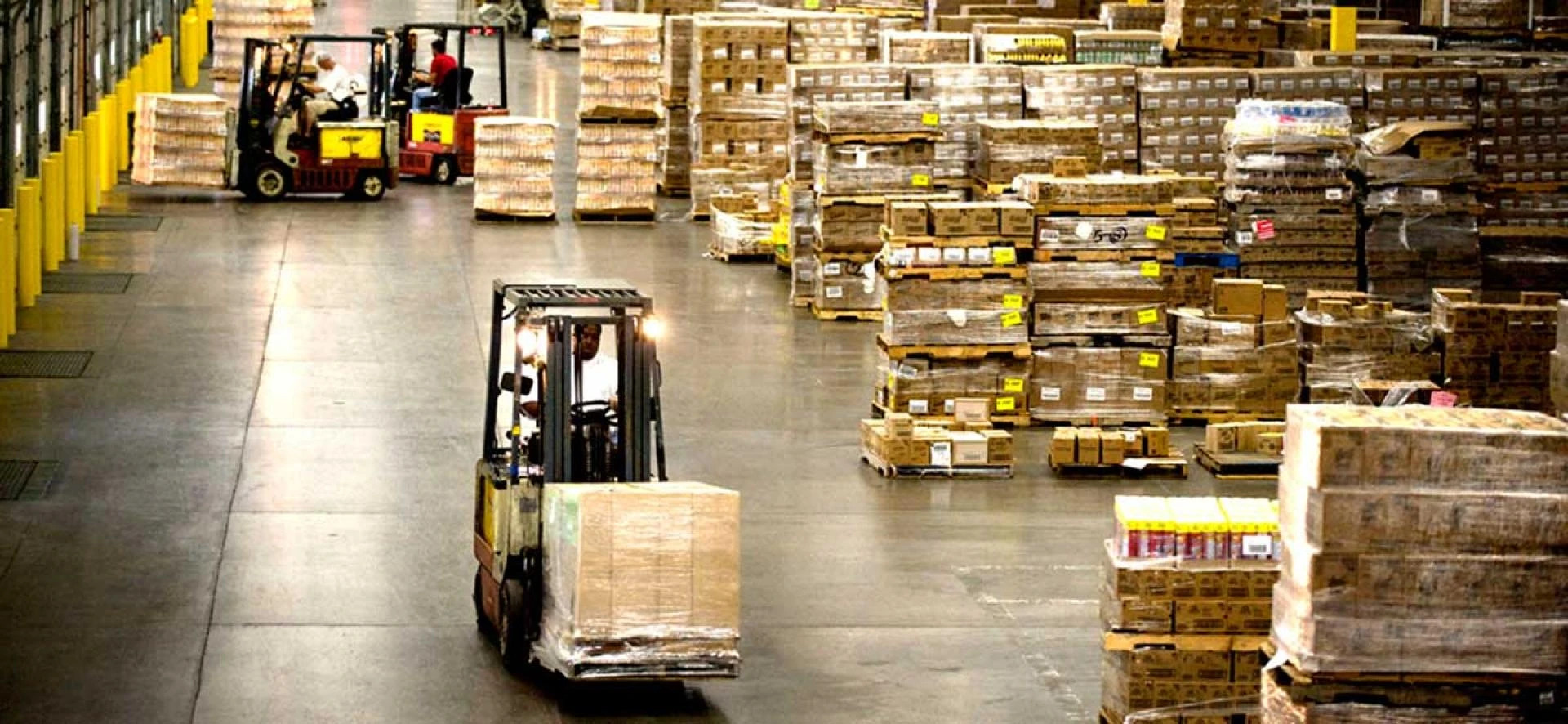
In today\'s globalized and rapidly evolving business landscape, companies are increasingly turning to third-party logistics (3PL) providers to streamline their supply chain operations and enhance efficiency. The third-party logistics market has witnessed significant growth in recent years, fueled by technological advancements, the rise of e-commerce, and the increasing complexity of supply chain networks.
1. Introduction to Third Party Logistics (3PL)
Third-party logistics refers to the outsourcing of logistics and supply chain management functions to external service providers. These providers offer a range of services, including transportation, warehousing, inventory management, distribution, and freight forwarding, allowing businesses to focus on their core competencies while benefiting from the expertise and resources of specialized logistics companies.
2. Growth Trends in the Third Party Logistics Market
Technological Advancements
Technological innovations, such as cloud computing, Internet of Things (IoT), and artificial intelligence (AI), have revolutionized the logistics industry, enabling 3PL providers to optimize processes, improve visibility, and enhance decision-making capabilities.
Globalization Impact
The proliferation of global trade has led to increased demand for third-party logistics services, as companies seek efficient and cost-effective solutions to manage complex supply chains spanning multiple countries and regions.
E-commerce Boom
The rapid growth of e-commerce has been a major driver of the third-party logistics market, with online retailers relying on 3PL providers to handle fulfillment, warehousing, and last-mile delivery operations to meet the demands of online consumers.
3. Key Players in the Third Party Logistics Industry
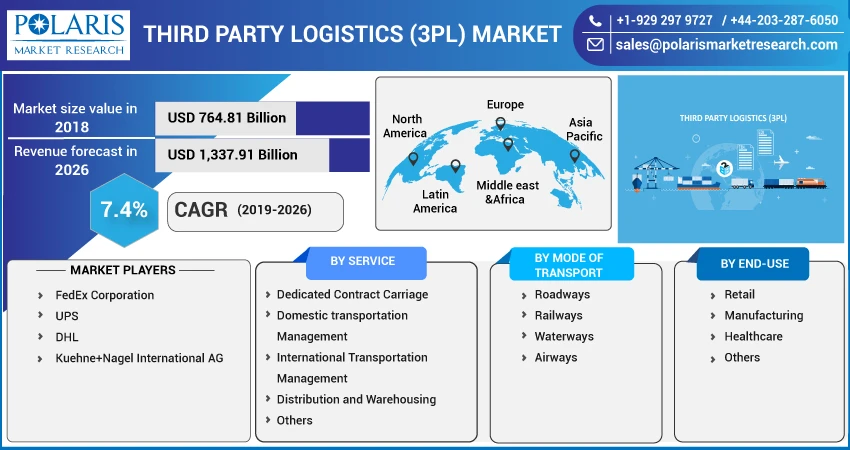
The third-party logistics market is highly competitive, with a diverse range of players ranging from large multinational corporations to small and medium-sized enterprises. Some of the key players in the industry include DHL Supply Chain, UPS Supply Chain Solutions, FedEx Supply Chain, and C.H. Robinson.
4. Services Offered by Third Party Logistics Providers
Transportation
3PL providers offer a range of transportation services, including freight brokerage, trucking, air cargo, ocean freight, and intermodal transportation, to ensure the efficient movement of goods from suppliers to customers.
Warehousing
Warehousing services involve the storage, handling, and management of inventory in strategically located facilities to optimize inventory levels, reduce storage costs, and improve order fulfillment speed.
Inventory Management
3PL providers use advanced inventory management systems to track inventory levels, monitor stock movements, and optimize inventory replenishment processes to minimize stockouts and overstock situations.
Distribution
Distribution services involve the sorting, packing, and shipping of products to customers or retail locations, ensuring timely delivery and accurate order fulfillment to enhance customer satisfaction.
Freight Forwarding
Freight forwarding services involve the coordination of international shipments, including customs clearance, documentation, and transportation, to ensure the smooth movement of goods across borders.
5. Advantages of Using Third Party Logistics Services
Cost Savings
Outsourcing logistics functions to third-party providers can result in significant cost savings, as businesses can avoid the upfront investment in infrastructure, technology, and personnel required to manage complex supply chain operations in-house.
Focus on Core Business Activities
By entrusting logistics activities to 3PL providers, businesses can focus their resources and attention on core business activities, such as product development, marketing, and customer service, to drive growth and innovation.
Scalability and Flexibility
Third-party logistics services offer scalability and flexibility, allowing businesses to adjust their logistics operations according to changing market conditions, seasonal demand fluctuations, and business expansion plans without incurring additional overhead costs.
Access to Expertise and Resources
3PL providers bring specialized expertise, industry knowledge, and advanced technologies to the table, enabling businesses to benefit from best practices, innovation, and efficiency gains that may not be achievable in-house.
6. Challenges in the Third Party Logistics Market
Despite the numerous benefits of third-party logistics services, businesses may encounter several challenges when outsourcing logistics functions, including:
Security Concerns
Data security and protection of sensitive information are major concerns in the logistics industry, as cyber threats, data breaches, and unauthorized access pose risks to supply chain integrity and confidentiality.
Data Management and Integration
Managing and integrating data from multiple sources, systems, and partners can be complex and challenging, requiring robust data management solutions and interoperable technologies to ensure seamless communication and collaboration across the supply chain.
Regulatory Compliance
Compliance with regulatory requirements, such as customs regulations, trade restrictions, and transportation safety standards, can be a daunting task for businesses operating in multiple jurisdictions, necessitating careful planning, documentation, and adherence to legal obligations.
Customer Expectations
Meeting customer expectations for fast, reliable, and transparent logistics services is essential for business success, but achieving high levels of service quality and customer satisfaction can be challenging amidst evolving consumer preferences and demands.
7. Emerging Trends in Third Party Logistics
As the third-party logistics market continues to evolve, several emerging trends are shaping the future of the industry, including:
Sustainable Practices
Growing awareness of environmental sustainability and social responsibility is driving demand for eco-friendly logistics solutions, such as green transportation, renewable energy, and waste reduction initiatives, to minimize the carbon footprint and promote sustainable supply chain practices.
Blockchain Integration
Blockchain technology holds promise for enhancing transparency, traceability, and security in supply chain management by providing a decentralized ledger for recording transactions, verifying authenticity, and tracking the movement of goods from source to destination.
Autonomous Vehicles
The adoption of autonomous vehicles, including drones, robots, and self-driving trucks, is revolutionizing last-mile delivery and warehouse operations, enabling faster, safer, and more efficient transportation of goods with reduced labor costs and human error.
Predictive Analytics
The use of predictive analytics and machine learning algorithms is enabling 3PL providers to forecast demand, optimize inventory levels, and anticipate supply chain disruptions, allowing businesses to make data-driven decisions and proactive interventions to mitigate risks and improve performance.
8. Future Outlook of the Third Party Logistics Market
The future of the third-party logistics market looks promising, with continued growth, innovation, and expansion opportunities driven by globalization, digitalization, and evolving customer expectations.
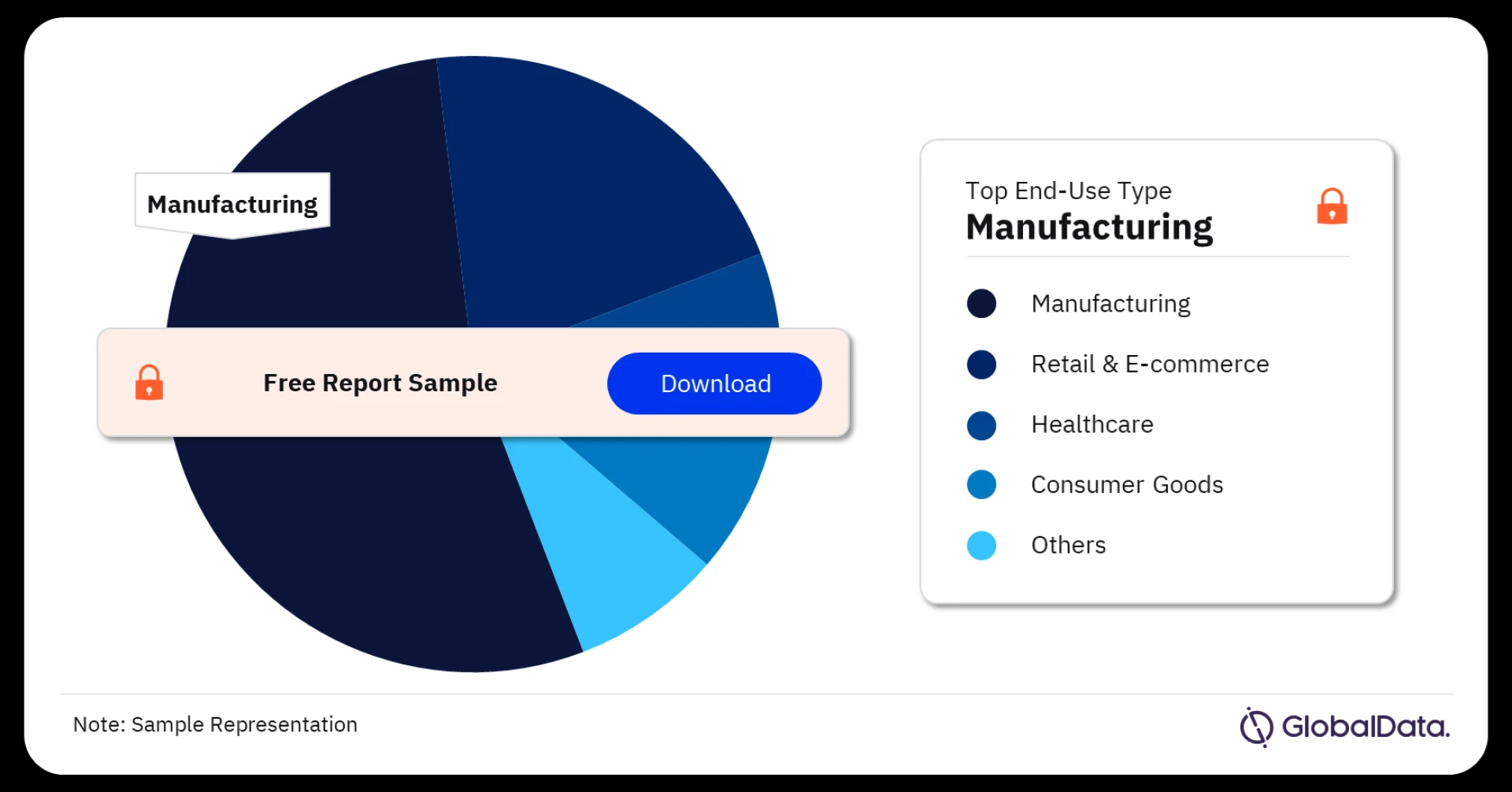
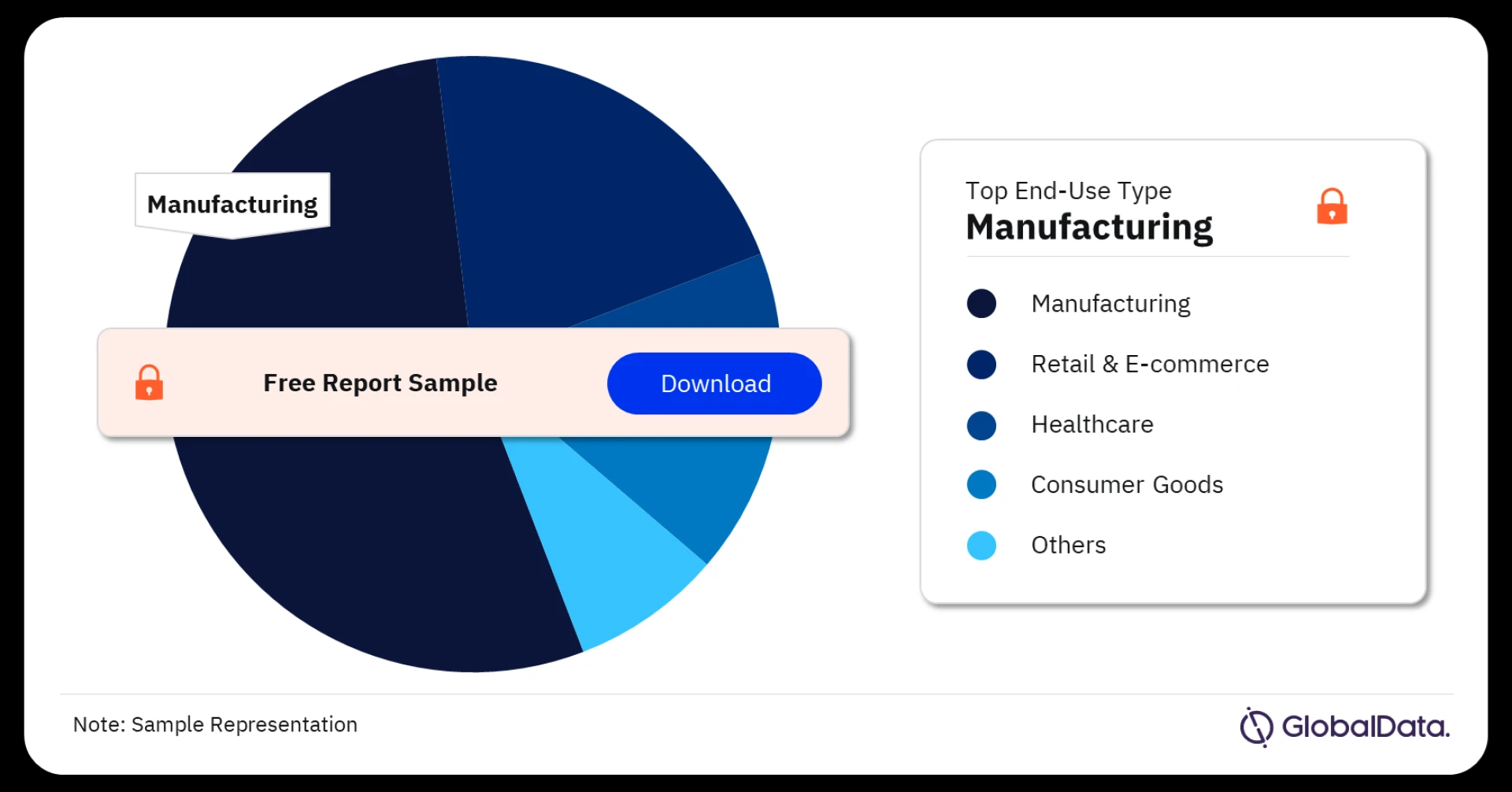
Buy the Full Report For More Insights Into The 3PL Market End-Use Industry Get a Sample PDF


Sign in to leave a comment.