
Introduction:
Textile fabrics, the very essence of fashion and comfort, are the result of an intricate and dynamic industry. Behind the clothes we wear lies a world of innovation, sustainability, and global trade, driven by companies dedicated to pushing the boundaries of textile manufacturing. In this article, we delve into the realm of textile fabrics companies, exploring the trends, challenges, and innovations that define this vibrant sector.
The Fabric of Progress:
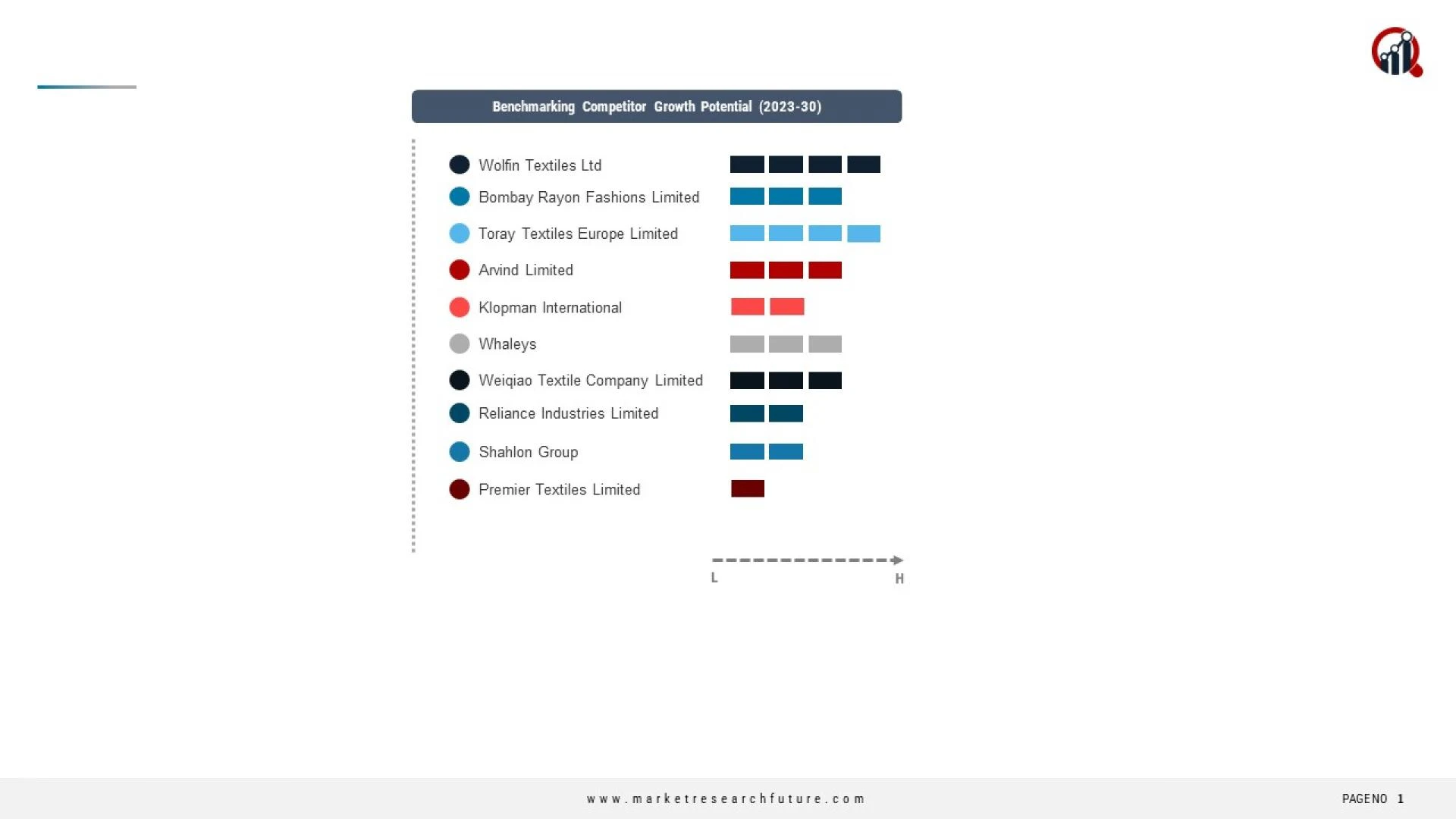
At the heart of the textile fabrics industry are companies that range from traditional textile manufacturers to cutting-edge innovators. Giants like Cotton Incorporated, Arvind Limited, and Toray Industries stand as pillars of the industry. Cotton Incorporated, a research and marketing company, focuses on advancing cotton as a global fiber of choice through technological innovation and sustainable practices. Arvind Limited, based in India, is a global leader in textiles, blending traditional craftsmanship with modern technology. Meanwhile, Toray Industries, a Japanese multinational, pioneers the development of synthetic fibers and advanced textiles, catering to diverse industries beyond fashion, including aerospace and healthcare.
Innovation and Sustainability:
The textile fabrics Companies is witnessing a profound transformation driven by technological innovation and a growing emphasis on sustainability. Companies are investing in research and development to create fabrics with enhanced performance, durability, and comfort. Smart textiles, incorporating technology for features like temperature regulation and health monitoring, are gaining traction.
Moreover, sustainability has become a central focus for textile fabrics companies. From eco-friendly manufacturing processes to the use of recycled materials, the industry is making strides toward reducing its environmental impact. Companies are adopting circular economy principles, exploring biodegradable fabrics, and implementing water and energy-efficient production methods to align with global sustainability goals.
Global Supply Chain Dynamics:
The global nature of the textile fabrics industry is evident in its intricate supply chain. Companies source raw materials from various corners of the world, and manufacturing processes may involve multiple countries. This interconnectedness presents both opportunities and challenges. While it allows companies to access diverse resources and markets, it also requires navigating complex trade dynamics, geopolitical shifts, and fluctuations in currency values.
Challenges and Opportunities:
Textile fabrics companies face challenges ranging from rising production costs to the need for ethical and sustainable practices. The fast-paced nature of fashion trends demands quick turnarounds, placing pressure on companies to streamline their operations. Moreover, as consumers increasingly prioritize sustainable and ethically produced clothing, companies are compelled to reevaluate their supply chains and adopt environmentally conscious practices.
On the flip side, these challenges present opportunities for innovation. Companies that embrace sustainable practices, invest in research and development, and leverage digital technologies are better positioned to thrive in this evolving landscape. The rise of e-commerce has also opened up new avenues for reaching consumers directly, disrupting traditional retail models and allowing for more agile responses to market demands.
Conclusion:
Textile fabrics companies are at the forefront of an industry that combines tradition with innovation, craftsmanship with technology. As the world becomes more conscious of the environmental and social impacts of consumer choices, these companies find themselves at a pivotal moment. Those that navigate the complexities of global trade, embrace sustainable practices, and push the boundaries of textile innovation are not only shaping the future of fashion but also contributing to a more sustainable and responsible industry.
Read more about this company page: Textile fabrics Key Companies









Sign in to leave a comment.