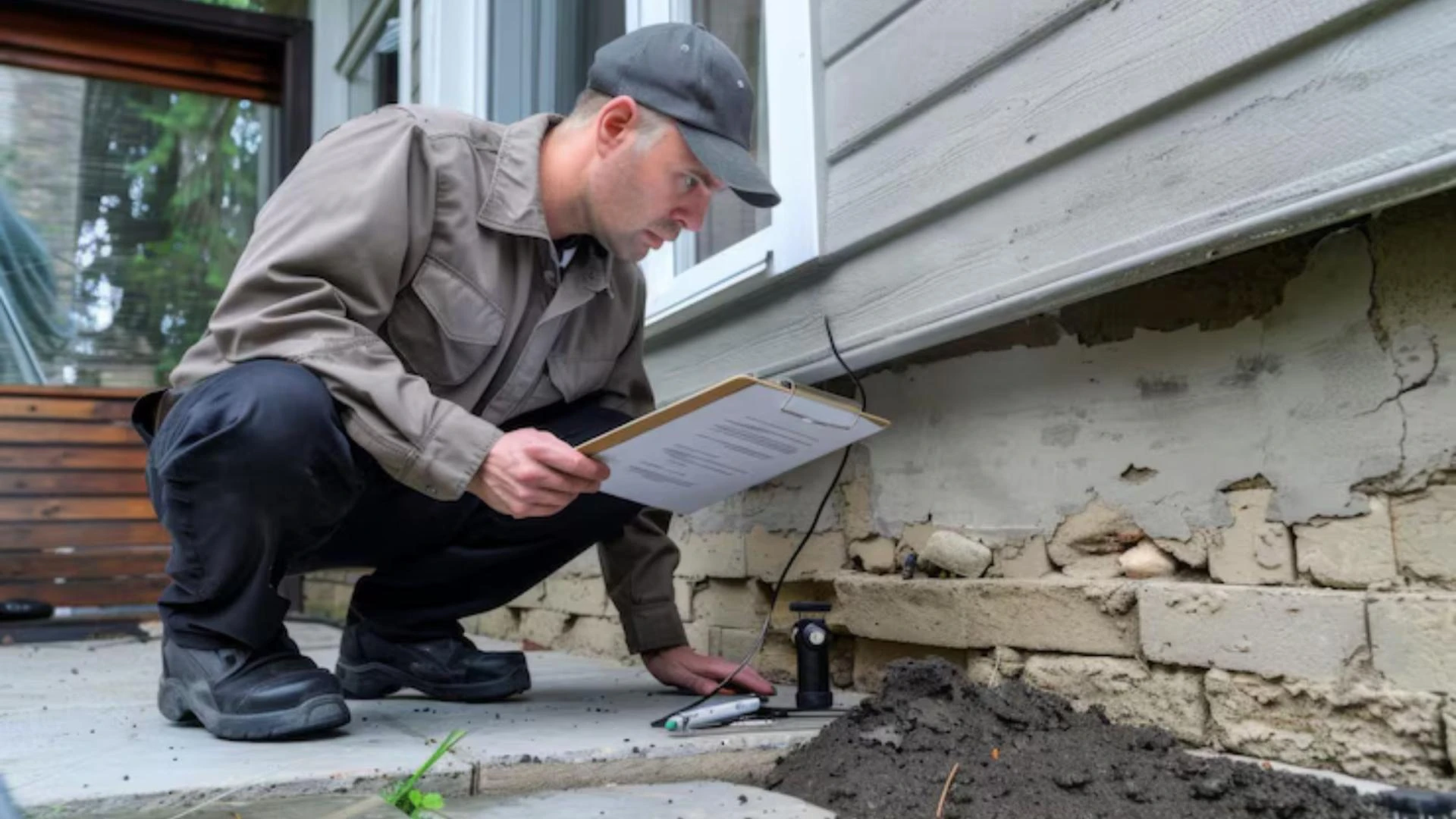

The structural integrity of a property starts from the ground up. Yet, the foundation is often overlooked until visible damage sets in. This article explores the crucial role of foundation inspections in preserving property value and safety—particularly in a city like Houston, where expansive clay soil, seasonal moisture shifts, and rapid construction all converge. Whether you're a property owner, investor, or builder, understanding the value of a Houston structural engineer foundation inspection can prevent long-term structural risks and financial loss.
Understanding the Stakes: Why Foundations Fail
Minor cracks in the wall. Doors that suddenly jam. Uneven floors. These may seem like cosmetic issues at first, but they’re often symptoms of deeper foundation movement.
Several forces contribute to structural shifts:
- Soil expansion or contraction due to Houston’s clay-heavy terrain
- Poor drainage or plumbing leaks, which destabilize soil beneath the foundation
- Improper grading or compaction during construction, particularly in older builds
A professional foundation evaluation helps identify not just visible defects, but also the underlying causes, preventing small issues from escalating into full-blown repairs.
Soil Conditions in Houston: A Hidden Risk Factor
Houston is built on a geologic mixture of clay, sand, and silt—materials that are notoriously reactive to moisture. During dry spells, clay contracts, creating air pockets under the foundation. When the rains come, it swells dramatically.
This cycle leads to differential settlement, where one portion of the foundation sinks or rises more than another. Over time, this puts enormous stress on the entire structural framework. If you’re wondering, “Where can I find a reliable foundation inspection near me that understands local conditions?”—the answer lies in choosing professionals with deep regional experience.
What to Expect During a Foundation Inspection
A qualified structural inspection is methodical. It typically includes:
- Visual examination of walls, ceilings, floors, and exterior structures
- Elevation readings using laser levels or digital tools to detect slope or sinking
- Soil analysis and moisture readings around the perimeter and under the slab
- Plumbing tests, if signs suggest under-slab leaks
- Written report with findings, technical data, and repair recommendations
These inspections go beyond basic walkthroughs. They provide evidence-based analysis, often supporting insurance claims, property sales, or renovation planning.
The Professional Edge: Why Engineering Expertise Matters
Not all inspectors are created equal. General home inspectors may catch surface-level warning signs, but they’re often unequipped to provide a comprehensive diagnosis or recommend engineered solutions.
A Houston structural engineer foundation inspection provides a much higher level of detail and precision. Engineers are trained to assess load-bearing dynamics, material fatigue, and how foundation shifts impact the superstructure. Their input is crucial when remediation requires technical design—such as underpinning, slab jacking, or pier installation.
Furthermore, engineered inspection reports carry more weight in legal or financial documentation. Lenders, insurance firms, and real estate agents often prefer or require them.
Investment Protection Through Preventive Evaluation
Foundation issues can wipe out thousands in property value—and they’re rarely covered by insurance unless caught early. This is especially critical for:
- Homebuyers: A structural foundation inspection during the due diligence phase can make or break a deal
- Sellers: Certified reports help justify asking prices and build buyer confidence
- Property managers: Regular evaluations help anticipate capital expenditures and minimize liability
- Investors and developers: Early inspections during acquisition or pre-construction phases ensure that build quality begins on solid ground
In all these scenarios, scheduling a foundation inspection in Houston isn’t just prudent—it’s strategic.
Choosing the Right Partner for the Job
When narrowing down providers for a foundation inspection near me, look beyond flashy branding. The most reliable firms:
- Have licensed structural engineers on staff
- Offer clear, jargon-free reporting
- Provide actionable recommendations, not just diagnostics
- Are familiar with Houston’s permitting, code, and soil conditions
- Use advanced tools for elevation mapping and subsurface testing
It’s equally important to choose firms that prioritize ethics and transparency. Unnecessary repairs or fear-based sales tactics are still prevalent in the inspection industry. The right engineering firm won’t just diagnose a problem—they’ll explain the physics behind it and guide you toward the most efficient solution.
Conclusion: Ground Truth, Delivered
In Houston’s climate and building landscape, foundation stability can’t be left to chance. Routine structural evaluations are a minimal investment with maximal return—whether that return is safety, property value, or peace of mind.
If your next search starts with “Where can I get a trusted foundation inspection near me?”, make sure you’re looking beyond convenience. Expertise, precision, and local insight should be the deciding factors.
Frequently Asked Questions
1. How often should a property undergo foundation inspection in Houston?
It’s wise to schedule inspections every 2-3 years, or immediately after signs like cracks or door misalignment appear. Houston’s shifting soils demand more frequent monitoring than in many other cities.
2. What is the cost range for a structural foundation inspection?
Prices vary based on property size and complexity, but engineered inspections typically range from $400–$900. While more expensive than general inspections, they deliver much more in terms of accuracy and long-term value.
3. Is a structural engineering inspection necessary if a general home inspector already provided a report?
Yes—especially if any signs of movement or cracking were noted. Structural engineers offer a deeper level of analysis, often needed for repairs, negotiations, or legal documentation.
4. What types of foundation problems are most common in Houston?
Slab movement, perimeter beam cracking, and soil-induced uplift are frequently observed. Plumbing leaks under the slab are also common and may go undetected without proper testing.
5. Can a structural engineer also supervise the repair process?
Many firms offer both inspection and engineering oversight. This ensures repairs meet the standards outlined in the inspection report, maintaining structural integrity and resale value.










Sign in to leave a comment.