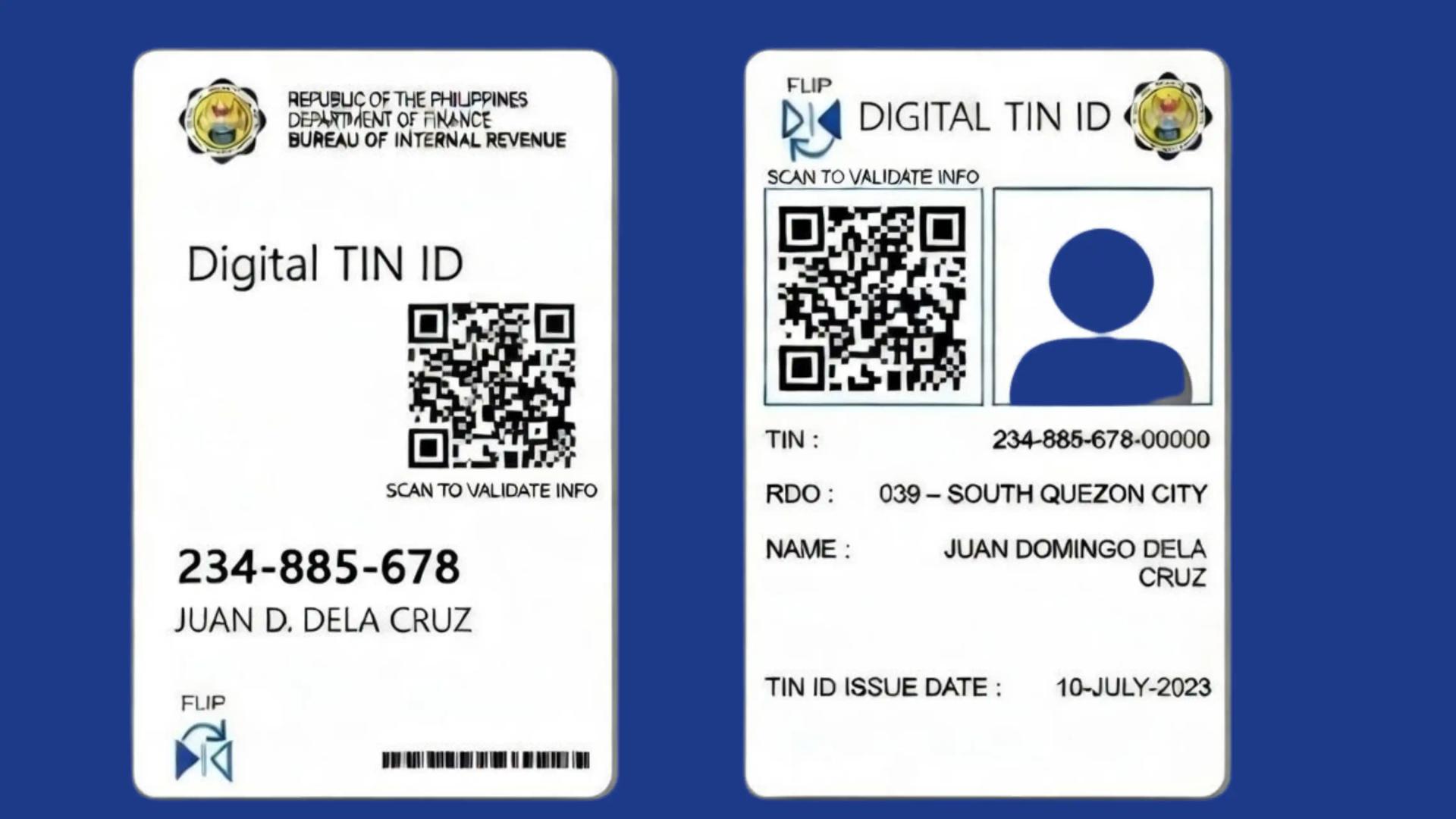
In the Philippines, the Taxpayer Identification Number (TIN) is a unique 9-digit (for individuals) or 12-digit (for corporations) identifier issued by the Bureau of Internal Revenue (BIR). It's essential for tax compliance, filing returns, employment, banking, property transactions, and many government services. The TIN ID (or TIN card) serves as physical or digital proof of your TIN registration, acting as a valid government-issued ID for verification in transactions with banks, employers, DFA (passport applications), LTO, and more.
In 2026, the BIR emphasizes digital TIN ID through the Online Registration and Update System (ORUS), making it easier, faster, and more accessible—no need for in-person visits in many cases. The digital version is recognized as a valid primary ID, verifiable via QR code, and free to generate once you have a TIN. The physical card remains available but is less emphasized now.
Why You Need a TIN ID in 2026
- Tax and employment — Required for salary earners, self-employed, freelancers, and businesses to file taxes and avoid penalties.
- Government transactions — Needed for passports, driver's licenses, NBI clearance, PhilHealth/SSS/GSIS, voter registration, and more.
- Financial services — Banks and remittance centers require it for KYC (know your customer).
- No expiration — Your TIN is lifelong; use the same one forever.
- Digital convenience — The e-TIN (digital card) is printable and shareable securely.
Types of TIN Applicants
- Employed (compensation income only) — Use BIR Form 1902.
- Self-employed/mixed income — Use BIR Form 1901.
- One-time taxpayers (e.g., estate, trust) — Use BIR Form 1904.
- Corporations/partnerships — Use BIR Form 1903.
- Foreign nationals/residents — Similar forms with passport/ACR.
Requirements for TIN Application (2026 Updates)
Requirements vary by type, but general docs include:
- Accomplished BIR Form (1901, 1902, 1903, or 1904—download from bir.gov.ph).
- Valid government-issued ID (e.g., Philippine National ID/PhilSys, passport, driver's license, UMID, voter’s ID, school ID for students).
- Proof of address (if ID lacks address): Barangay certificate, utility bill, lease contract.
- Birth certificate (PSA/NSO, often required).
- Other specifics:
- Employed: Employer may assist; HR often submits.
- Self-employed: DTI business name registration, mayor's permit/barangay clearance.
- Students/minors: Guardian assistance; school ID acceptable.
- Foreigners: Passport with valid visa, ACR I-Card.
- No fee for TIN registration or digital ID (free); physical card may have minimal processing fees at RDO.
Step-by-Step Application Process in 2026
The BIR promotes online via ORUS for efficiency.
- Online (Recommended – via ORUS Portal)
- Go to orus.bir.gov.ph (or bir.gov.ph > eServices > ORUS).
- Create an account with valid email (must be pre-registered or synced with BIR database).
- Log in, select "Register" or "Apply for TIN."
- Fill out the form (personal details, address, taxpayer type).
- Upload required docs (scans of ID, birth cert, etc.).
- Submit—BIR reviews (usually quick for simple cases).
- Receive TIN via email/SMS.
- For digital TIN ID: Log back in, generate/download/print the e-TIN (QR-verifiable).
- In-Person (Walk-in at BIR Revenue District Office – RDO)
- Locate your RDO (use BIR's RDO finder tool).
- Bring filled form + originals/photocopies of requirements.
- Submit at the registration counter.
- Get assigned TIN; request digital or physical card.
- Processing: Immediate for simple apps; digital available same-day in many RDOs.
- For Digital TIN ID (If You Already Have a TIN)
- Log into ORUS.
- Go to "Generate Digital TIN ID" or similar section.
- Verify details, download PDF with QR code.
- Use as valid ID—print or show digitally.
Tips for Success
- Always use official BIR sites (bir.gov.ph, orus.bir.gov.ph) to avoid scams.
- Pre-sync your email if needed (check BIR advisories).
- For first-timers (e.g., fresh grads): Employer HR often handles it.
- Verify TIN: Use BIR's online validation tool (eServices > TIN Verification).
- Common issues: Wrong RDO—use finder tool; incomplete docs—double-check uploads.
- No expiration on TIN/digital ID, but update address/changes via ORUS.
The TIN ID (especially digital) is a game-changer in 2026's digital Philippines—streamlining taxes and services. Get yours today to stay compliant and hassle-free!
Applied for your TIN yet? Share your experience or questions in the comments—what's your taxpayer type?



























Sign in to leave a comment.