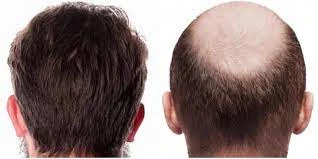

Getting a hair transplant is a big decision and not one you should make lightly - if you have been losing hair constantly, then you need to speak to a qualified professional first and foremost. After a thorough examination, the doctor should be able to tell you whether or not you are a sufficient candidate for a hair transplant. It is interesting to know that you are not necessarily a candidate for transplantation just because you are losing hair - for transplantation, you need to have clear donor and recipient areas. Also, and more importantly, your hair loss must have stabilized because if you are still losing hair, there is no point in the transplant as your hair will continue to fall out.
Assuming you are checked off as a suitable candidate for transplant and the procedure goes without mishap, there are still a lot of things that can go wrong - there are still a lot of things that can cause your hair not to grow as you expected after transplant. There are some essential tips that you need to follow if you want your hair growth to be really good after a transplant. By following these care tips for better post-transplant growth, you can not only ensure that you have good hair, but also that your transplant "sticks".
Here are some of the things you need to follow immediately and also in the days after the transplant:
Even before the procedure begins, you will be given a list of do\'s and don\'ts to follow in the hours and days after the transplant. Most clinics will give you a printed version of all these instructions, because the likelihood of forgetting them is generally high.
Once the procedure is over, you should have someone take you home, where you should rest as much as possible until the next morning. It is best if you do not drive yourself, as the sedation or anesthesia may not have worn off properly. For at least the first three nights, you should sleep with your head slightly elevated to keep swelling at bay.
For the next few weeks, you will be asked to stay away from alcohol and smoking, which you should do. You will also be asked to avoid medications that contain aspirin, as this is a blood thinner and taking it can cause problems with healing. It is imperative that you inform your transplant surgeon of any medications you take on a regular basis because if you are taking medications, you may be asked to avoid them for a few days. Alternatively, the surgeon might prescribe another medication for you to take until the transplant has taken effect.
In case there is bleeding, which is one of the common side effects after hair transplantation, simply apply gentle and steady pressure till the bleeding stops. In most cases, the bleeding should stop in a few minutes, but if it doesn\'t you should immediately get in touch with your transplant surgeon.
You have to make sure that you use the sterile solution that you would have been provided with or prescribed. The solution will help keep the grafts clean and hydrated, something crucial for the grafts to stay healthy and lead to better hair growth in the future. If you have been prescribed any ointments, you should apply those too religiously.
Although you will have to avoid rigorous work and exercise for at least a week, you should be able to return your regular routine within a day or two. However, every time you step out, make sure that you keep your grafts protected because dirt and pollution could harm the new implants and cause them to fall out. The dirt could also cause infection, which could spell trouble.
Do not touch the donor area unnecessarily and if you do have to touch it, make sure that you wash your hands with soap or disinfectant first. The day after the surgery you will be asked to wash your hair, but you need to pay a lot of attention while doing so. For instance, do not allow water to hit the grafts directly, because this could lead to dislodging. Use a water cup to gently pour water over the scalp and using only your fingertips, wash the area around the grafts.
Your transplant surgeon will tell you how many days you need to avoid hair styling products and tools and you need to make sure that you remember the same. You will be asked to avoid hot styling tools for about 15 days and hair products such as hair sprays and gels for about 10 days. Coloring and cutting should be avoided till the time the crusts have fallen off.











Sign in to leave a comment.