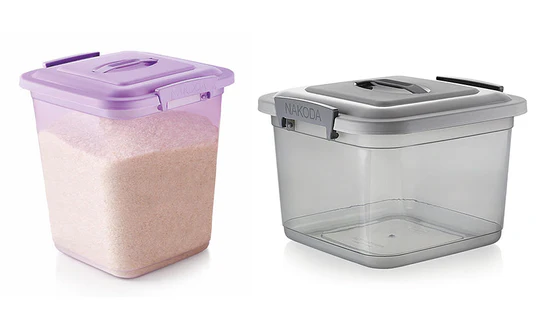

Kitchen storage boxes are among the most used items in any Indian household. From storing rice, atta, dal, spices, snacks, and leftovers to organizing everyday cooking essentials, these containers play a critical role in keeping the kitchen clean, hygienic, and efficient.
Yet, many people face the same recurring problems: lids that fail to close properly, containers that crack, stubborn turmeric stains, lingering odors, and boxes that appear old and worn out much sooner than expected.
The good news is that most of these issues are not product problems, but rather maintenance and usage issues.
This guide shares practical, real-world tips to help you:
- Clean kitchen storage boxes properly
- Maintain them for long-term use
- Avoid common mistakes that shorten their life
- Choose the right care method based on the material (plastic, steel, glass)
If followed correctly, your storage containers can easily last many years without cracking, warping, or losing hygiene.

Why Proper Maintenance of Kitchen Storage Boxes Matters
In Indian kitchens, containers are exposed to:
- Turmeric, masalas, oil, and gravies
- Moisture and humidity
- Frequent washing and handling
- Overfilling and rough daily use
Poorly maintained containers can lead to:
- Bad odour in food
- Bacterial growth
- Lids losing their grip
- Cracks and breakage
- Contamination of stored items
Good maintenance is not just about appearance; it is about food safety, hygiene, and saving money by avoiding frequent replacements.

Common Problems People Face With Kitchen Storage Containers
Before jumping to solutions, let’s look at the most common issues in Indian households:
- Lids not closing properly after a few months
- Containers cracking or becoming brittle
- Yellow stains from turmeric and masala
- Oily smell that doesn’t go away
- Warping due to hot water or heat exposure
- Cloudy or dull-looking plastic
In most cases, these happen due to incorrect cleaning methods, overfilling, or rough usage.
Material-Wise Care Guide: Plastic vs Steel vs Glass
1. Plastic Storage Containers
Most commonly used in Indian kitchens.
Pros:
- Lightweight
- Affordable
- Easy to handle
- Good for daily-use items
Common problems:
- Stains
- Smell retention
- Cracking due to heat or impact
Care tips:
- Never wash with very hot water
- Avoid steel scrubbers
- Do not microwave unless specified
- Do not store extremely hot food directly
2. Steel Containers
Pros:
- Long-lasting
- No staining
- No smell retention
Cons:
- Heavier
- Dents easily
- Not transparent
Care tips:
- Dry immediately after washing to avoid water marks
- Avoid storing very salty or sour food for long periods
- Use soft scrubbers to maintain shine
3. Glass Containers
Pros:
- Most hygienic
- No smell or stain retention
- Looks premium
Cons:
- Heavy
- Breakable
- Not suitable for rough daily handling
Care tips:
- Avoid sudden temperature changes
- Handle carefully while washing
- Store in lower cabinets to prevent falls
The Right Way to Clean Kitchen Storage Boxes (Step-by-Step)
Step 1: Empty and Rinse Immediately
Do not leave empty containers unwashed for days, especially after storing:
- Pickles
- Masala
- Oily food
- Gravies
The longer you wait, the harder stains and smells become to remove.
Step 2: Use Mild Dishwashing Liquid Only
Avoid:
- Harsh chemicals
- Bleaching powder
- Strong acids
These slowly weaken plastic and make it brittle.
Step 3: Use a Soft Sponge or Cloth
Never use:
- Steel scrubbers
- Hard brushes
They create micro-scratches where:
- Bacteria accumulate
- Smell gets trapped
- Plastic becomes dull faster
Step 4: Clean Lids Separately and Thoroughly
Most smell problems come from rubber rings and lid grooves.
- Remove gasket if possible
- Clean grooves with an old toothbrush
- Dry completely before closing
Step 5: Dry Completely Before Storing Food
Moisture inside containers causes:
- Fungus
- Bad smell
- Food spoilage
Always air-dry or wipe dry before reuse.
How to Remove Stubborn Turmeric and Masala Stains
Try these safe home remedies:
- Baking soda + water paste
- Lemon juice + sunlight drying
- Vinegar soak (short duration only)
Avoid soaking plastic overnight in strong chemicals.
How to Remove Bad Smell From Storage Containers
- Keep container open in sunlight for a few hours
- Wash with baking soda solution
- Keep a piece of newspaper inside overnight
- For lids, always clean the gasket properly
Biggest Mistakes That Reduce Container Life
1. Overfilling the Container
This causes:
- Lid deformation
- Stress on container walls
- Cracks near edges
Always leave some space.
2. Storing Very Hot Food Directly
Heat:
- Warps plastic
- Weakens structure
- Causes lid fitting issues
Let food cool first.
3. Using Containers Near Flame or Tandoor Area
Even indirect heat exposure reduces life of plastic containers.
4. Throwing or Dropping Containers in Sink
Impact damage causes invisible cracks that later become full breaks.
How to Store Empty Containers Properly
- Do not stack mismatched sizes forcefully
- Store with lids off or loosely placed
- Avoid tight nesting that causes shape distortion
- Keep in dry cabinets away from heat
How to Know When to Replace a Container
Replace if:
- Plastic has developed cracks
- Lid no longer seals properly
- Container has permanent strong smell
- Surface has become rough or flaky
A Note on Quality of Storage Containers
Well-made containers using BPA-free, food-grade, sturdy plastic:
- Last longer
- Retain shape
- Crack less easily
- Stay safer for food storage
Even the best containers, however, need proper usage and maintenance to perform well for years.
Final Practical Advice
If you treat your kitchen storage boxes like long-term kitchen tools instead of disposable items, you will:
- Save money
- Maintain better hygiene
- Keep your kitchen more organised
- Avoid frequent replacements
Where to Find Good Quality Kitchen Storage Containers
If you are planning to upgrade or replace your existing containers, you can explore a wide range of kitchen storage containers here:
👉 https://nakodaplast.com/collections/storage-containers
FAQ Section
Q1. How often should kitchen storage containers be cleaned?
Ideally, wash them every time they are emptied and at least once a month even if the same item is stored continuously.
Q2. How do I remove turmeric stains from plastic containers?
Use a paste of baking soda and water or apply lemon juice and keep in sunlight for a few hours.
Q3. Why do container lids stop closing properly?
This usually happens due to:
- Overfilling
- Heat exposure
- Warping during washing with hot water
Q4. Is it safe to store hot food in plastic containers?
No. Always let food cool down to room temperature before storing in plastic containers.
Q5. How can I remove bad smell from airtight containers?
Clean the lid gasket, wash with baking soda solution, and air-dry in sunlight.











Sign in to leave a comment.