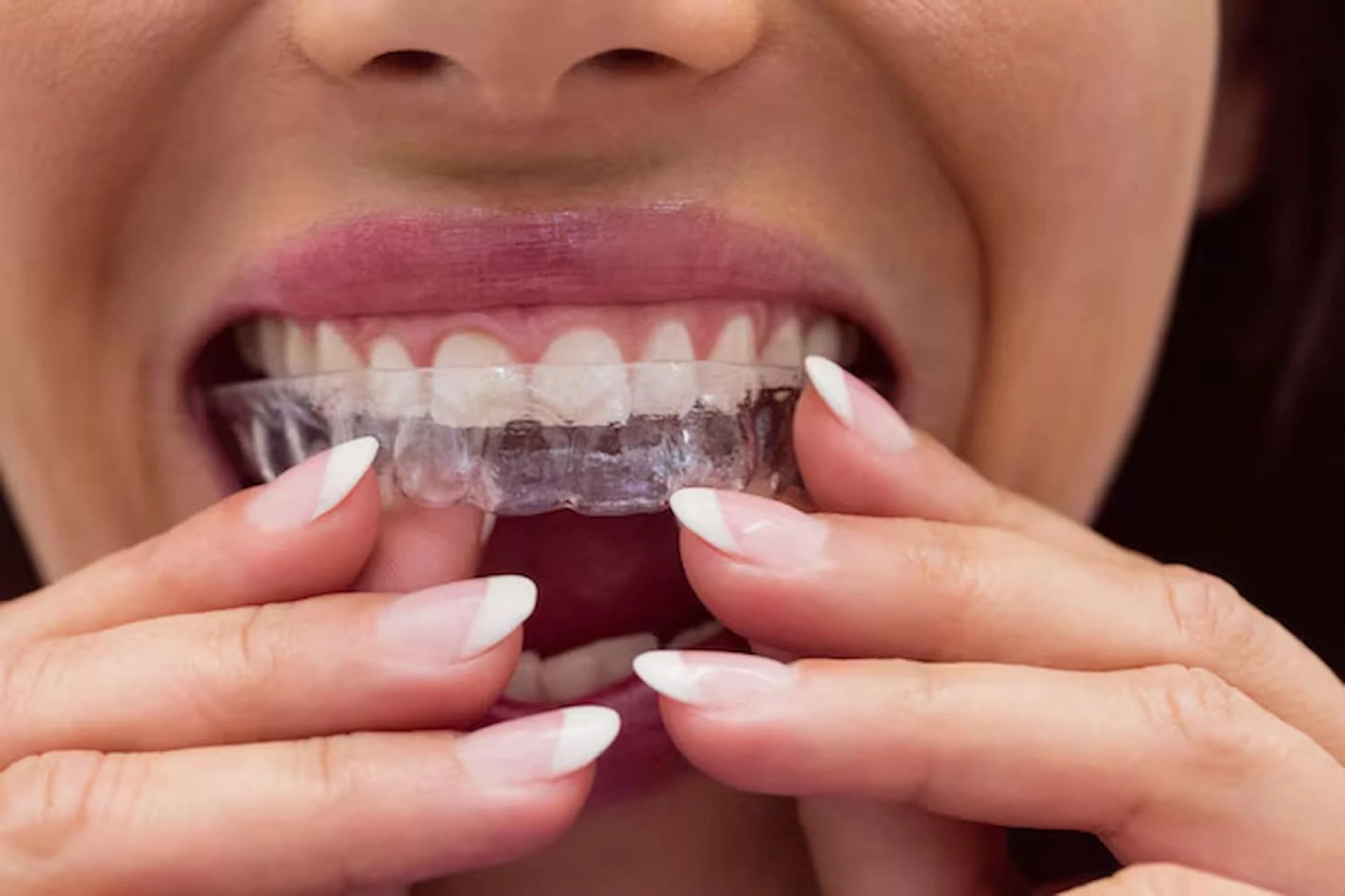

Clear aligners have become a popular orthodontic solution for individuals seeking a discreet and comfortable way to straighten their teeth. Proper care is essential to ensure optimal results and maintain oral health throughout the treatment process. Wearing clear aligners consistently and keeping them clean not only improves their effectiveness but also prevents issues such as staining, odor, and bacterial buildup. With the right habits and routine, individuals can enjoy a smooth and successful orthodontic journey while preserving the quality and clarity of their aligners.
Understanding the Importance of Proper Aligner Care
Why Maintenance Matters
Maintaining aligners is crucial because they are worn for most of the day and remain in close contact with teeth and gums. Without proper care, aligners can accumulate plaque and bacteria, leading to bad breath and potential oral health problems. Clean aligners also remain transparent, ensuring they stay discreet throughout the treatment. Consistent maintenance helps avoid unnecessary complications and supports the overall success of the orthodontic plan.
Impact on Oral Health
Poor aligner hygiene can contribute to tooth decay and gum irritation. Food particles and bacteria trapped between the aligners and teeth can create an environment that promotes cavities. By keeping aligners clean and practicing good oral hygiene, individuals can protect their teeth and gums. This ensures that the treatment not only straightens teeth effectively but also maintains a healthy smile throughout the process.
Daily Cleaning Routine for Clear Aligners
Rinsing After Removal
One of the simplest yet most effective habits is rinsing aligners immediately after removing them. This helps wash away saliva and prevents the buildup of bacteria. Lukewarm water is ideal, as hot water can warp the plastic and damage the aligners. Regular rinsing keeps aligners fresh and reduces the risk of odors developing over time.
Gentle Brushing Techniques
Using a soft toothbrush to gently clean aligners is recommended. Brushing removes plaque and prevents staining. However, it is important to avoid using toothpaste with abrasive ingredients, as it can scratch the surface and make aligners appear cloudy. A mild, clear soap can be a safer alternative for maintaining their transparency and cleanliness.
Maintaining Proper Oral Hygiene
Brushing and Flossing Before Wearing Aligners
Before placing aligners back in the mouth, it is essential to brush and floss thoroughly. This removes food particles and plaque that could otherwise get trapped. Clean teeth ensure that the aligners remain hygienic and effective. This habit also reduces the risk of developing cavities during the treatment period.
Regular Dental Checkups
Routine dental visits play an important role in aligner care. Professional cleanings and examinations help identify any potential issues early. Dentists can also provide guidance on maintaining aligners and adjusting oral care routines as needed. Regular checkups ensure that both the teeth and aligners remain in excellent condition.
Handling Aligners with Care
Proper Storage Practices
When not in use, aligners should always be stored in their designated case. Leaving them exposed can lead to contamination or accidental damage. A protective case keeps aligners safe from dust, bacteria, and physical harm. Proper storage also reduces the chances of misplacing them.
Avoiding Heat Exposure
Aligners are made from thermoplastic material that can change shape when exposed to high temperatures. Keeping them away from hot water, direct sunlight, or heated environments is essential. Warped aligners may not fit properly, which can disrupt the treatment progress and require replacements.
Eating and Drinking Guidelines
Removing Aligners During Meals
Aligners should always be removed before eating or drinking anything other than water. Food particles can get trapped and cause staining or damage. Eating with aligners in place can also lead to cracks or distortion. Removing them ensures both the aligners and teeth remain in good condition.
Limiting Staining Beverages
Beverages such as coffee, tea, and colored drinks can stain aligners if consumed while wearing them. Even when aligners are removed, it is important to rinse the mouth before putting them back in. This prevents residue from transferring onto the aligners and keeps them clear and visually appealing.
Preventing Odor and Discoloration
Soaking Aligners Regularly
Using a recommended soaking solution can help eliminate bacteria and maintain freshness. Soaking aligners daily or as advised keeps them clean and odor free. It also helps remove stubborn buildup that brushing alone may not eliminate. Consistent soaking contributes to better hygiene and longer lasting aligners.
Avoiding Harmful Cleaning Methods
Harsh chemicals and colored soaps should be avoided, as they can damage or stain aligners. Gentle and approved cleaning methods are the safest choice. Using improper cleaning products can compromise the material and reduce the effectiveness of the aligners over time.
Staying Consistent with Wear Time
Following Recommended Usage
Aligners should be worn for the recommended number of hours each day, typically between 20 to 22 hours. Consistency is key to achieving desired results within the expected timeframe. Removing aligners too often or for extended periods can slow progress and affect the final outcome.
Tracking Daily Habits
Keeping track of wear time and cleaning routines can help maintain discipline. Setting reminders or using tracking tools ensures that aligners are worn and cleaned as required. This consistency supports effective treatment and helps avoid delays.
Traveling with Clear Aligners
Packing Essentials
When traveling, it is important to carry all necessary items such as the aligner case, cleaning supplies, and a toothbrush. Being prepared ensures that aligner care routines can be maintained even while away from home. Proper planning prevents disruptions in treatment.
Maintaining Hygiene on the Go
Even during travel, maintaining oral hygiene should remain a priority. Rinsing aligners, brushing teeth, and storing them properly can be managed with a little preparation. Staying consistent while traveling helps ensure continuous progress and avoids setbacks.
Recognizing When to Replace Aligners
Signs of Wear and Tear
Over time, aligners may show signs of wear such as cracks, cloudiness, or loss of shape. Recognizing these signs is important to maintain effectiveness. Damaged aligners may not provide the correct pressure needed for tooth movement.
Consulting a Professional
If aligners become damaged or uncomfortable, seeking professional advice is essential. Timely replacement ensures that treatment continues without interruption. Regular communication with a dental professional helps address concerns and maintain progress.
Building Long Term Habits
Creating a Routine
Establishing a daily routine for cleaning and wearing aligners makes maintenance easier. Consistency helps form habits that become second nature over time. A structured routine ensures that aligners remain clean and effective throughout the treatment.
Staying Motivated
Maintaining motivation is important for completing aligner treatment successfully. Seeing gradual improvements in the smile can encourage continued effort. Staying committed to proper care routines ensures the best possible outcome and a confident smile.
Conclusion
Proper maintenance of clear aligners is essential for achieving effective and lasting results. From daily cleaning and careful handling to consistent wear and good oral hygiene, every step plays a vital role in the treatment journey. For professional guidance and support, consider consulting experts at Clove Dental santa monica, as they can offer valuable insights throughout the process. By following these tips, individuals can keep their aligners in excellent condition while protecting their oral health. A disciplined approach ensures that the aligners remain clear, comfortable, and efficient throughout the process.
Click here to meet our caring dental team in Santa Monica.




























Sign in to leave a comment.