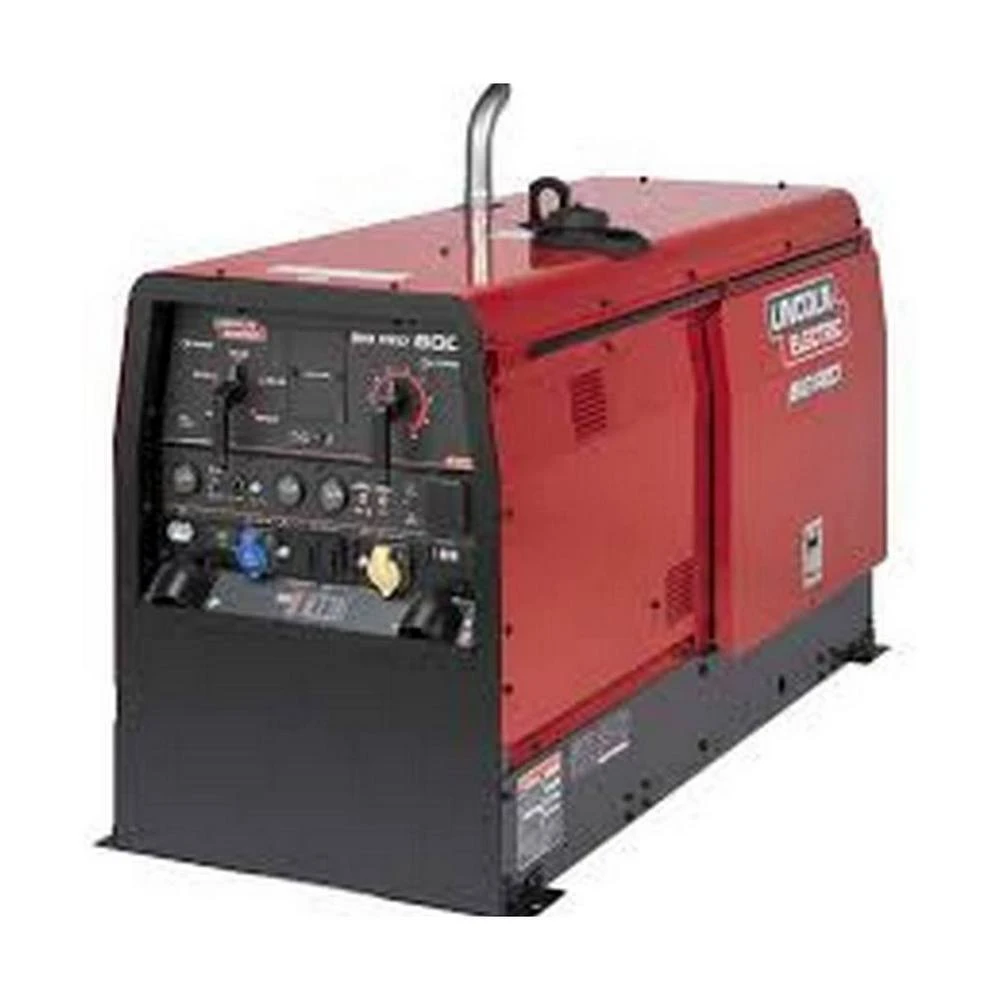

Welding machine maker Lincoln Electric is well-known, and its products are widely utilized in many different sectors and applications. Lincoln welding machines must be used correctly to provide safety and excellent welds. We'll give you all the necessary advice in this guide to ensure Lincoln welding machine are operated safely and effectively.
These instructions will help you maximize your equipment while upholding a safe work environment, regardless of your level of expertise as a welder.
Examine the user guide:
The user handbook supplied by the construction machinery should be carefully read and understood before using any Lincoln welding equipment. Essential details on machine setup, operation, maintenance, and safety measures are included in the handbook. It will also provide unique instructions tailored to the model you are using. The first step to guaranteeing secure and efficient welding is to adhere to these guidelines.
Put on appropriate safety gear:
When welding, safety comes first. When using a Lincoln welding machine, wear the proper safety equipment, such as a welding helmet with a darkened glass, to shield your eyes from the powerful arc light. Wear gloves, steel-toed boots, safety glasses, and flame-resistant clothes to protect against heat, sparks, and possible risks. If you operate in a workplace with fumes or inadequate ventilation, you might need to wear respiratory protection.
Examine and Care for Your Equipment:
Regular maintenance is required for your Lincoln welding equipment to operate safely and effectively. Check the machine for apparent damage, loose connections, or worn parts before each usage. Ensure every cable, clamp, and connector is in excellent shape and fastened firmly. Clean the machine and its features, including the electrode holder and torch, to avoid dirt and debris accumulation. Schedule periodic maintenance following the manufacturer's instructions to keep your equipment operating at its best.
Select the Proper Welding Procedure:
Lincoln welding equipment can be used for Stick (SMAW), MIG (GMAW), and TIG (GTAW) welding, among other welding techniques. Choose the correct procedure for the particular welding application you have in mind. Every method has benefits and works well with various materials and assignments. Attaining superior welds requires understanding the distinctions between each procedure and knowing when to use it.
Establish the Appropriate Welding settings:
Solid and clean welds depend on the use of appropriate welding settings. Depending on the type of welding being done, Lincoln welding machines may be adjusted for voltage, current, wire feed speed, and other factors. To get the correct parameters for your project, check your welding process specification (WPS) or a welding expert. Make sure to go with rent a rent-a-welding machine option.
Make Sure You Have Enough Ventilation:
Welding releases toxic gases and fumes that might harm your health if breathed. Continuously operate in an area with good ventilation or utilize local exhaust ventilation equipment to eliminate welding fumes. Consider using heavy construction equipment if working in cramped or poorly ventilated places. To keep your workplace safe and to safeguard your health, adequate ventilation is essential.
Electrical safety and grounding:
Proper grounding is crucial when operating a welding machine, and you will get instructions from construction machinery. Ensure your workpiece is adequately grounded for reliable arc performance and to avoid electrical shock. Verify that the welding machine is plugged into a grounded power source. If at all possible, stay away from extension cords. If you must, use heavy-duty, grounded cables approved for use with welding equipment.
Fire Safety:
Fire safety is paramount because welding might result in molten metal and sparks, and you can also rent a welding machine. Ensure any combustible objects are removed from the welding area and that a fire extinguisher or other fire control supplies are at hand. When using welding equipment, you should never leave it alone and always be ready to put out tiny flames or sparks that may start throughout the operation.
Post-Welding Inspection:
Check the quality and integrity of your weld after it is finished. Verify that there are no apparent flaws, including cracks, porosity, or insufficient fusion. If necessary, perform non-destructive testing (NDT) or other inspections following the project specifications. Also, check heavy construction equipment.
Summary: If you want to know about the Lincoln welding machine, we have shared all the information here. So, you may give it a read!
Resource Box: In case you want to try your hands at it, then you may check with the Lincoln welding machine once. From TTL Holdings They are the best!













Sign in to leave a comment.