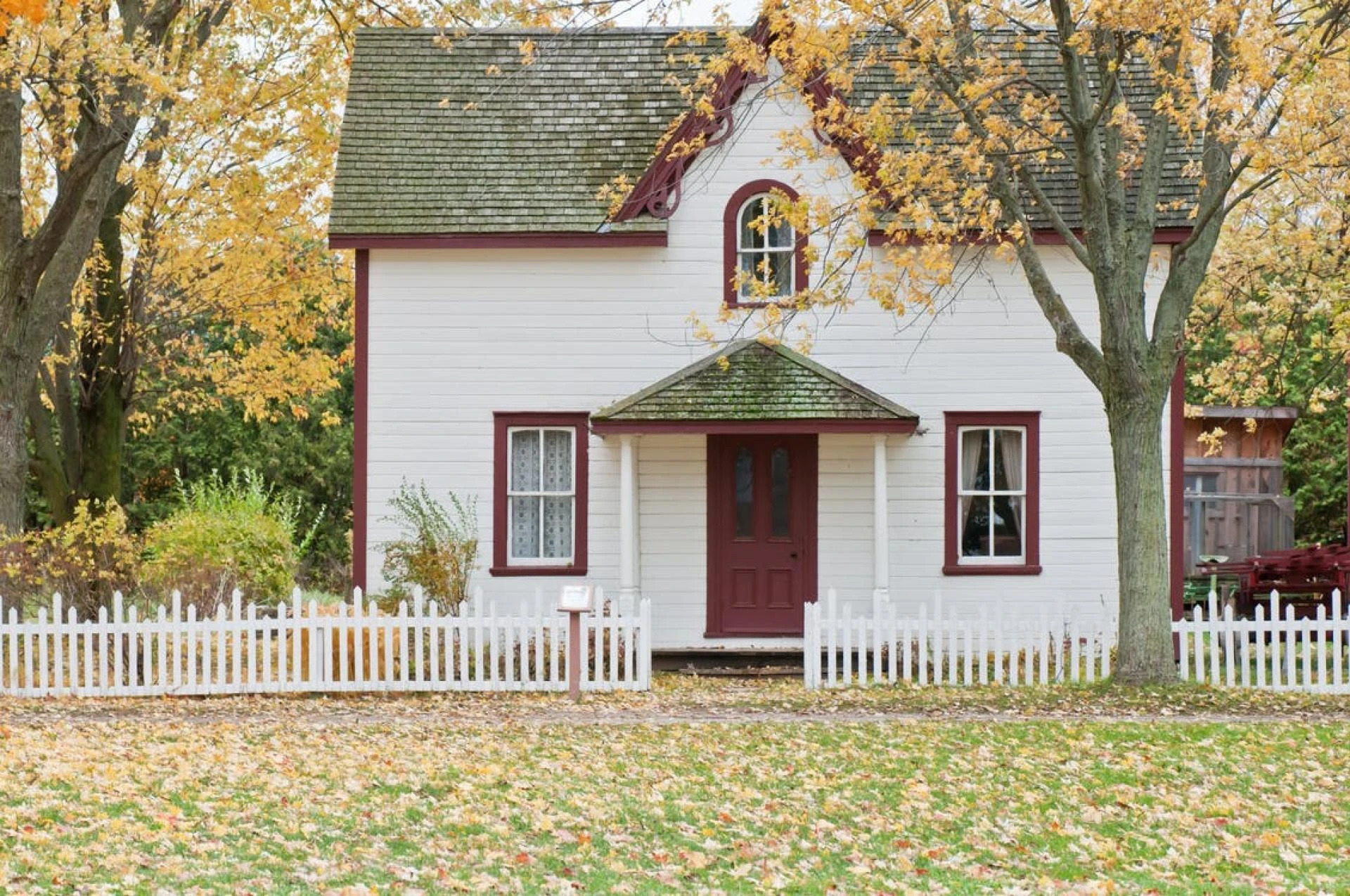

Purchasing pre-owned homes might be a wise choice because you obtain a furnished apartment in the area of your choice. But what if, after taking ownership, you learn that the terrace addition is unpermitted, the papers are fake, or that the electrical wiring needs to be fixed, which would cost a ton of money? Being cautious is the only way to protect oneself. Here are a few recommendations:
Have Your Budget Ready
Even if it's a pre-owned home, banks will grant you money to purchase it. They have the property evaluated, and if the valuation is less than the agreed-upon price, they will pay up to 85% of that amount. However, they have the right to decline to provide a mortgage for a very old house. For example, the State Bank of India does not provide mortgage loans for properties that are older than 25 years. The only obstacle you might run into is if the owner wishes to report the resale value for less. If you approve, you could pay the hidden additional sum to the bank. However, the costs don't stop here. Once you have purchased the home, you will undoubtedly want to renovate it to your liking. The cost of the remodeling could be increased by new woodwork, re-tiling, or lamp fittings. Remember to add at least 10% to your cost estimates to account for the chance that you would desire more changes than originally anticipated once you move in.
Investigate More Than Just Mere Walls
The house's structure could be seriously damaged while hiding behind a flashy appearance. There might be more serious issues, but anyone selling their property will check to make sure the paint isn't peeling or the faucets aren't rusty. A house inspection by an architect will help him identify potential problem areas. It's likely that the home will need major renovations. However, you shouldn't exclude the house from your list because of the musty kitchen cabinets. To determine the cost of repair, evaluate the damage and speak with a specialist. The owner can then be approached to renegotiate the purchase price and offer you a better deal.
Know The House’s Past
It is not sufficient to confirm that the individual selling the property is in fact the owner. Depending on the age of the house, you need to be able to trace the ownership back at least 20 years and up to three generations. Hire a lawyer to conduct a "search report" on the property. All future ownerships, including yours, could be void if there was fraud involved in the transfer of the property, say ten years ago. Verify that the "conveyance deed"—the official document stating that the property is freehold and can be purchased or sold—is still in the possession of the home's owner. The seller is also required by law to pay all unpaid obligations, including ground rent and property taxes. Additionally, the cost of the home must be in line with the government-determined value of the land. The cost may be slightly more but not lower than this amount.
Key Takeaway
Owning a home is crucial for everyone, whether they are young urban professionals, a newlywed couple, or a family with developing children. It is a refuge where you can feel protected, where you can make memories and grow your dreams. One of the most important decisions you'll ever make is which house to buy. The location is the first consideration, followed by the cost. Also crucial factors to take into account are its safety and accessibility. How old is the property, though? Which home would you choose if you had the choice between a pre-owned and a brand-new one?









Sign in to leave a comment.